Some books that impressed (or at least really entertained) me over the last year
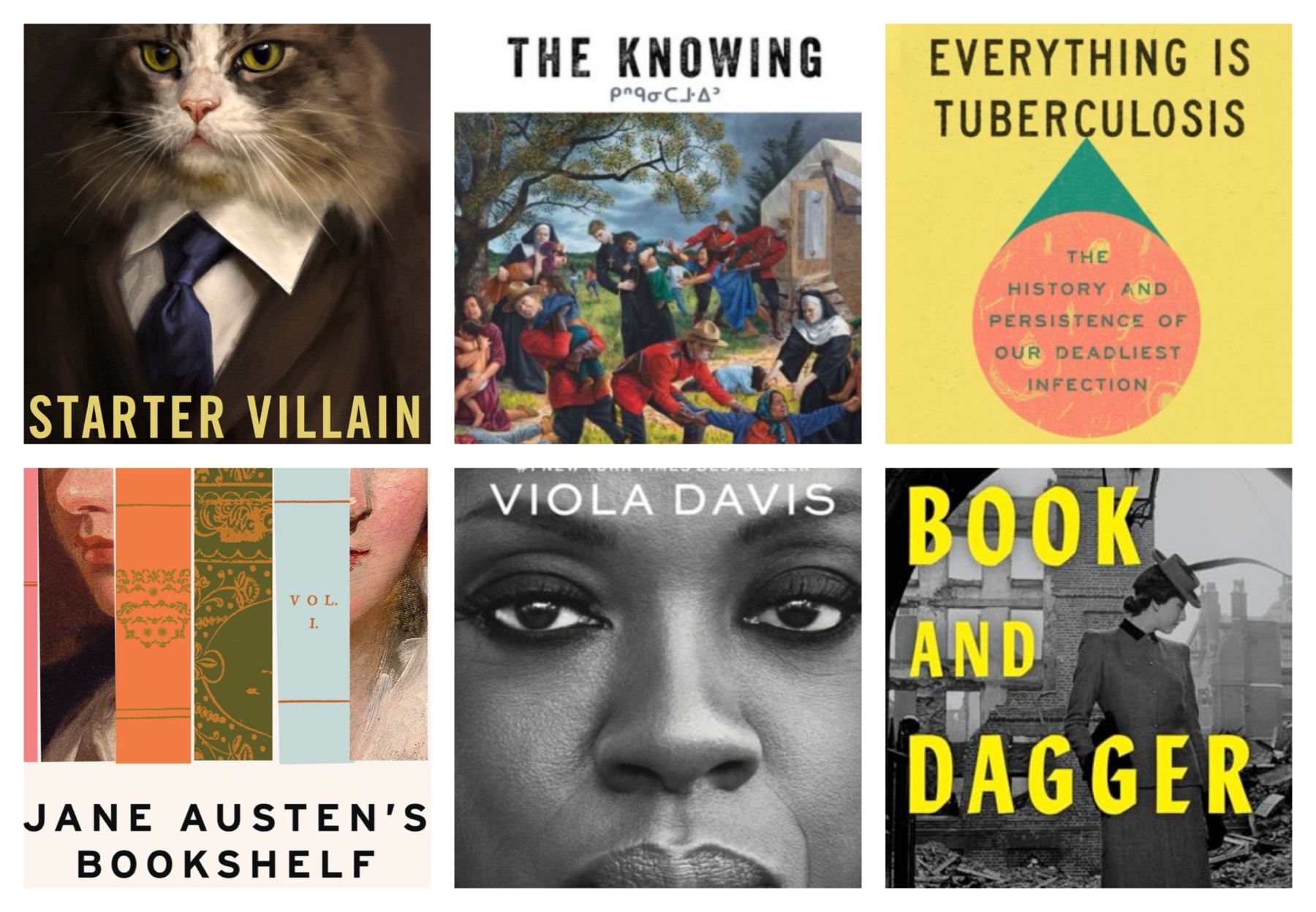
It’s been a month since New Year’s Day, and while it’s a bit late to add a chip to the pile of year-end retrospectives, I’ve been looking back at books I’ve read over the last year.
In this case, I wanted to look at books that made an impression on me. I hesitate to describe them all as great books; rather, they’re books that I enjoyed, or appreciated deeply.
Looking back over my Goodreads list for the year, I see a few books with details I scarcely remember.
The ones below, though, are generally at the other end of the spectrum: I not only recall them, but remember that satisfaction that comes when you read something hearty. I’m also tossing in some books that were just plain fun.
Here are some recommendations, in no particular order:
A Guardian and a Thief, by Megha Majumdar. The last book I finished in 2025, and definitely one of the best. Majumdar imagines a near-future India beset by climate change, with plenty of dystopic tropes. It’s not all speculative: as the book proceeds, and especially as it comes to its conclusion, it feels very current indeed.
Book and Dagger, by Elyse Graham. The subtitle — How Scholars and Librarians Became the Unlikely Spies of World War II — tells you what you need to know about this captivating book, which is as thrilling as great spy fiction, perhaps because it’s all true. This is probably the book I’ve recommended the most from last year. It was recommended to me by my friend Andy.
Invisible Prisons, by Lisa Moore and Jack Whalen. I knew Jack Whalen’s story well through work with my former colleague Ryan Cooke, who reported consistently on a fellow who as a boy spent 730 days in solitary confinement at the Whitbourne Boys’ Home in the Seventies (you can listen to Ryan’s 2023 Sunday Edition documentary here). Whalen teamed up with Lisa Moore for a book that is searing, painful and necessary. Just last night, the book won the prize for non-fiction at the Newfoundland and Labrador Book Awards.
The Knowing, by Tanya Talaga. What a powerful book. Talaga, the Anishinaabe journalist and author, presents a version of Canada’s brutal history with Indigenous peoples across centuries. She infuses it with a personal thread that makes the book captivating.
Starter Villain, by John Scalzi. Hands down, my favourite entertaining read of the year. Imagine a Bond-like universe with cats really are running the world. Things get crazier from there.
Jane Austen’s Bookshelf, by Rebecca Romney. A used book dealer who’s parlayed her expertise into TV work, Romney is scholarly in her research but a generalist in expressing her enthusiasms. She digs into what Jane Austen was reading, and in so doing explores why the proverbial canon of great literature has excluded so many of the women that Austen built upon.
Lorne, by Susan Morrison. Lorne in this case is Lorne Michaels, who created and still runs Saturday Night Live. I’ve read much over the years about SNL and Michaels, and yet could not get over just how much I learned from this book. It’s exhaustively but joyously researched and written. A running theme: the number of people who met Michaels at a formative moment, and who would like to think the idea of SNL came to Michaels during that specific time. (Michaels was a magpie, picking up ideas continuously.)
Everything is Tuberculosis, by John Green. It astounds me that tuberculosis is still an issue, and in our midst; just two months ago, there was a small outbreak in Labrador. John Green, a fine writer with a popular flair, turns his attention to why poverty, apathy and other problems team up to keep tuberculosis alive.
Finding Me, by Viola Davis. To say that this memoir from the Oscar-winning actor came highly recommended is an understatement; on Goodreads, it has an average review of 4.53 out of 5. Davis recounts how she came through a traumatic upbringing and found her purpose and her true self. It’s a terrific book.
When the Going Was Good, by Graydon Carter. Carter grew up in Ottawa, and somehow made his way to one of the great stints in journalism: running Vanity Fair when the celeb-obsessed magazine was fat with advertising, allowing Carter to hire some of the world’s best authors and photographers to do the meaningful work in between the profiles and actor portfolios. I was surprised by how much I enjoyed the book, and how much I respected Carter’s approach to dealing with others and difficult situations.
At a Loss for Words: Conversation in an Age of Rage, by Carol Off. Now retired from having hosted CBC Radio’s As It Happens, Off wrote a book on how civility, respect and just listening are becoming increasingly uncommon in public discourse.
There you have it: some books to consider. It occurred to me from looking back that I might well have come up with a different list a month ago, and might devise yet another just weeks or months from now.
Books percolate that way, don’t they?