“The future you have, tomorrow, won’t be the same future you had, yesterday.” — Chuck Palahniuk
Everyone’s favourite American nihilist novelist (he wrote Fight Club, natch) popped out this observation into a 2007 book called Rant, which purported to be an oral history of a character named Buster Casey. I never got around to it, so my knowledge of the book is very modern: just what other people have said or written.
But I like the insight of this line, and how our sense of the future is malleable. I’m not sure if that sense can change that much in just one day, but certainly as we track our lives, the future we imagine growing up is wildly different when we’re in 20s, when we hit middle age, and so on.
Earlier today, I placed an order at the venerable Fred’s Records here in St. John’s for the forthcoming album from Meshell Ndegeocello, the American bassist, producer, singer and lifelong boundary-pusher. Synonym doesn’t come out until early October, but it’s already getting some attention.
It’s an album of covers — a tried-and-true tactic for many artists. Way back when, a covers record might have been a creative white flag (or a red one), a sign of running out of gas, or perhaps a contractual obligation. Covers albums now are so common, and often so creative, I don’t think anyone bats their eyelashes too much.
For most of the last stretch of my career, I was a senior producer with CBC News in St. John’s, and for much of that time, I frequently sent out a note to colleagues in the local shop.
I called it the Digital Note, and the idea was to pull back the curtain a bit, to reveal how our stories and videos were performing, and — much more importantly — to explain tactics and strategies and to shed some insight into audience behaviour.
If information is indeed power (and it is), I’m a strong advocate in sharing information. The more people know, the better equipped they are; as well, the more people you have who know how to things well, the better again for the entire operation.
Solar power there has eclipsed (sorry, not-sorry for the pun) coal as a form of energy, in large part because the once-prohibitive costs of solar have dropped dramatically.
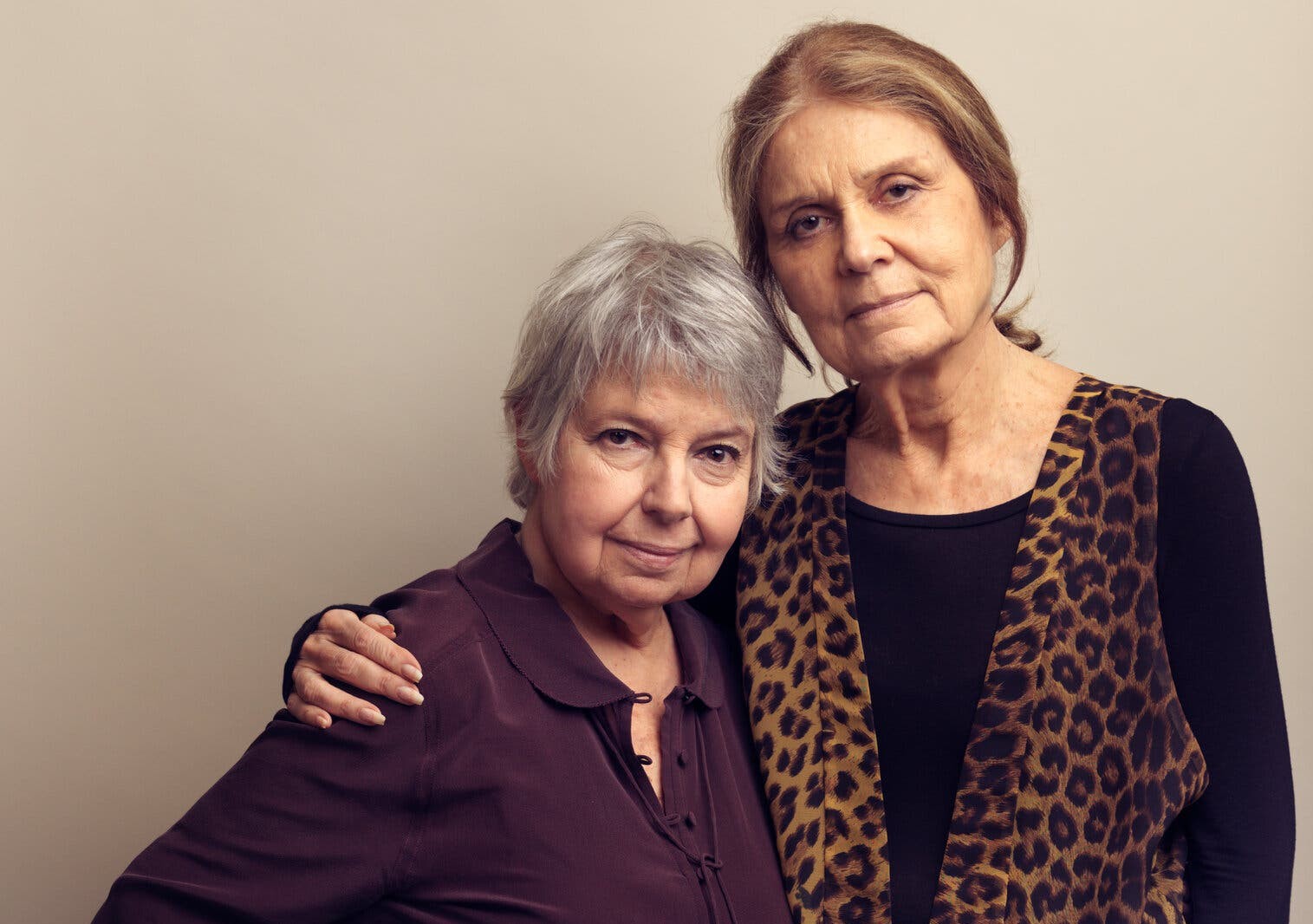
Robin Morgan, left, and Gloria Steinem, photographed in 2017 for the New York Times.
“We were tired of making coffee and not policy.” — Robin Morgan
The feminist writer, editor and author Robin Morgan died in New York Saturday, just days after her colleague and fellow activist Gloria Steinem. They both got Ms. magazine running in the early Seventies, and Morgan — a prolific contributor early on — became editor-in-chief in 1989 at Steinem’s urging. Ms., which was competing on newsstands with other women’s magazines, went ad-free under her leadership, as a way of making it more editorially independent.
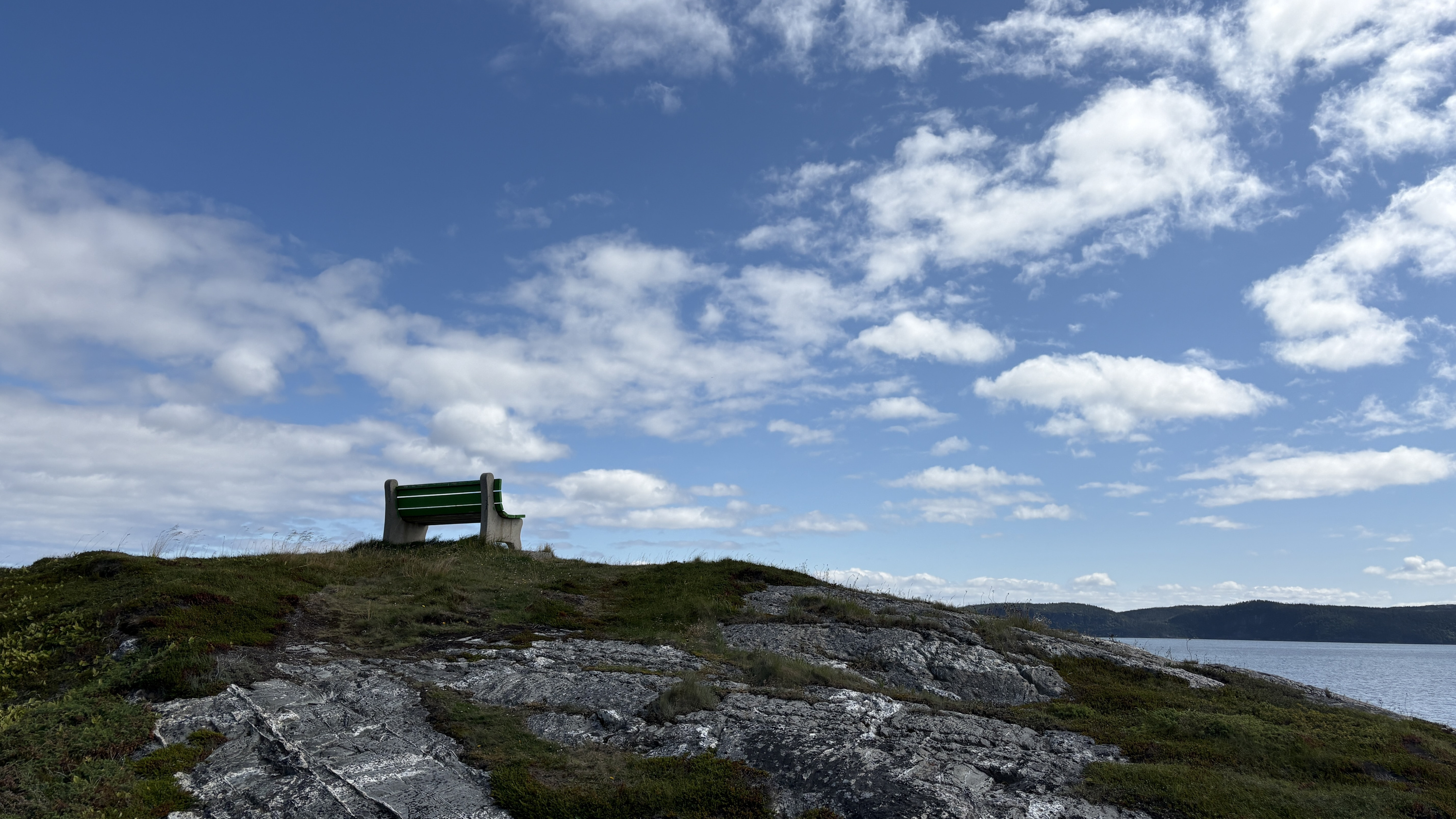
I’ve been taking photographs of this bench — it’s on a cliff just around the corner from Sandy Cove, on Newfoundland’s Eastport Peninsula — for years now. We all have a happy place or three, and this is one of mine.
The bench overlooks the estuary that helps makes Eastport what it is. It doesn’t matter the weather — I went out in a soft rainfall once, and tend not to last very long when it’s windy — but I find it beyond relaxing to hike in from the road that straddles the beach, and just have a seat for a while.
Most of the songs I listen to are conventional — that is, they have lyrics. I might even sing along to them as I putter about the house, or drive anywhere.
But I’ve always had a soft spot for instrumentals.
Here are five of them that have been showing up in playlists (often in mixtapes and burned CDs before that) as go-to energy boosts.
I will be joining Adam Walsh (on the right in the pic above) on Friday afternoon for the monthly trivia show on CBC Radio’s The Signal.
I’m pretty sure we won’t be able to hold those expressions. No pressure or expectations, but we’ll likely be laughing within a few minutes. Hopefully you will be too.
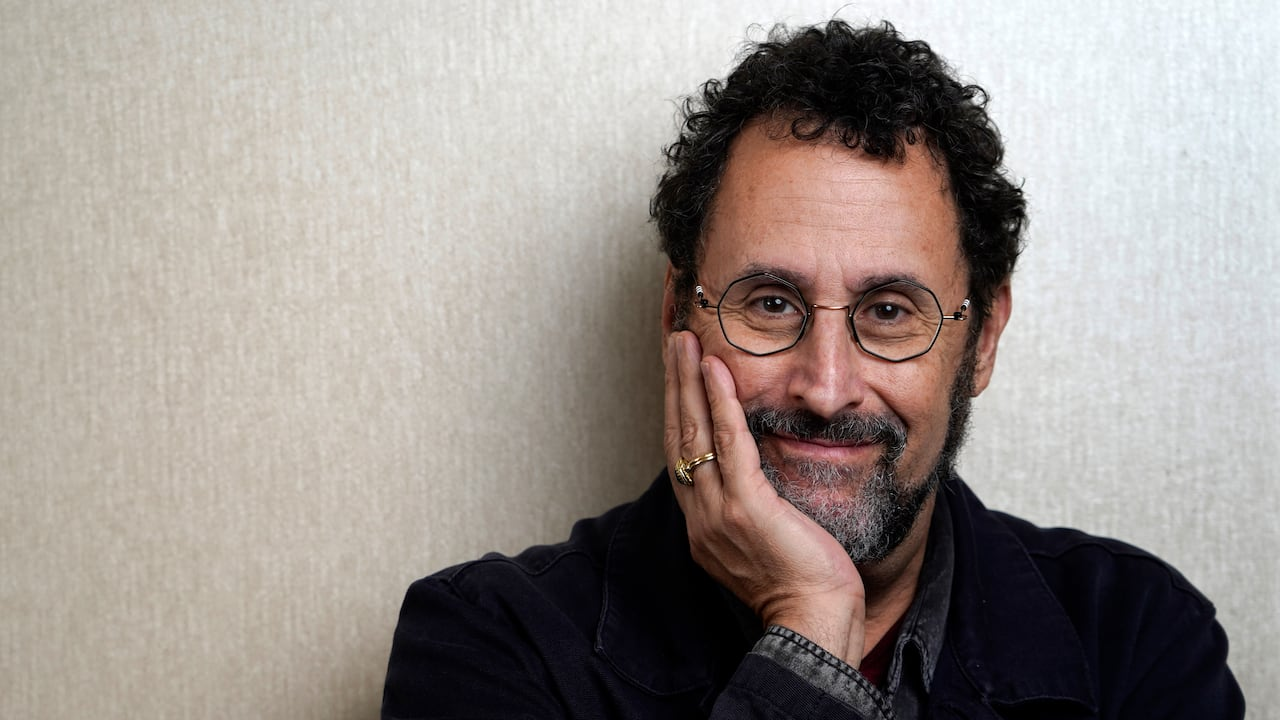
“Forgiveness. Which is maybe where love and justice finally meet. Peace, at last.” — Tony Kushner
The playwright Tony Kushner put these words near the end of his epic Angels in America, in the mouth of Belize, the nurse who’s known by their drag identity. It’s quite the scene: the hate-filled Roy Cohn (the slightly fictionalized version of the real lawyer/political fixer) has just died of AIDS, and Belize is pleading with his friend Louis to say the Kaddish, the Jewish prayer for the deceased.
Fifty years ago, Abba released Dancing Queen. I can’t think of too many songs that have had so much currency throughout those years, that — even now — can pack a dance floor within a moment or two of people hearing the iconic sweep of a piano.
A wedding without Dancing Queen? Not necessarily unthinkable … just a waste of the DJ to find a floor-filling favourite for everyone, regardless of generation or even musical taste. I’ve seen seniors dance with their grandkids, Gen X eyerollers give up their sarcasm, wallflowers lose their shyness and swing their arms in the air — a lot can happen in just a few minutes.
Dancing Queen, you see, is transcendent. It long ago moved beyond kitsch or pop or any other insult flung Abba’s way after the song came out in August 1976.
Last weekend, I took my mother, Sheila Gushue, out around the pond near her home.
The call came in around 3 in the morning, and we were sound asleep. It was a nurse, telling me my mom had fallen in her bathroom.
It was a Sunday morning, and ordinarily, I would have darted over to the residence where my mother, Sheila Gushue, has lived for the last two years.
But on this June morning, I was in a hotel room in Toronto, and as the nurse told me about a fall that had happened minutes before — and how they would be monitoring her in the coming hours — I felt somewhat powerless. Too far away to be a comfort, and unable to help directly.
“Summer afternoon — summer afternoon; to me those have always been the two most beautiful words in the English language.” — Henry James
There are things about late August and early September that seem to contradict each other: there’s a lull in the air, a permission to pause, the verdant smell of the garden. But there’s also a sense that a clock is ticking, and that the lushness around us — not to mention the warmth, the smell of neighbourly barbecue, the days of breezy driving with the windows down — are limited.
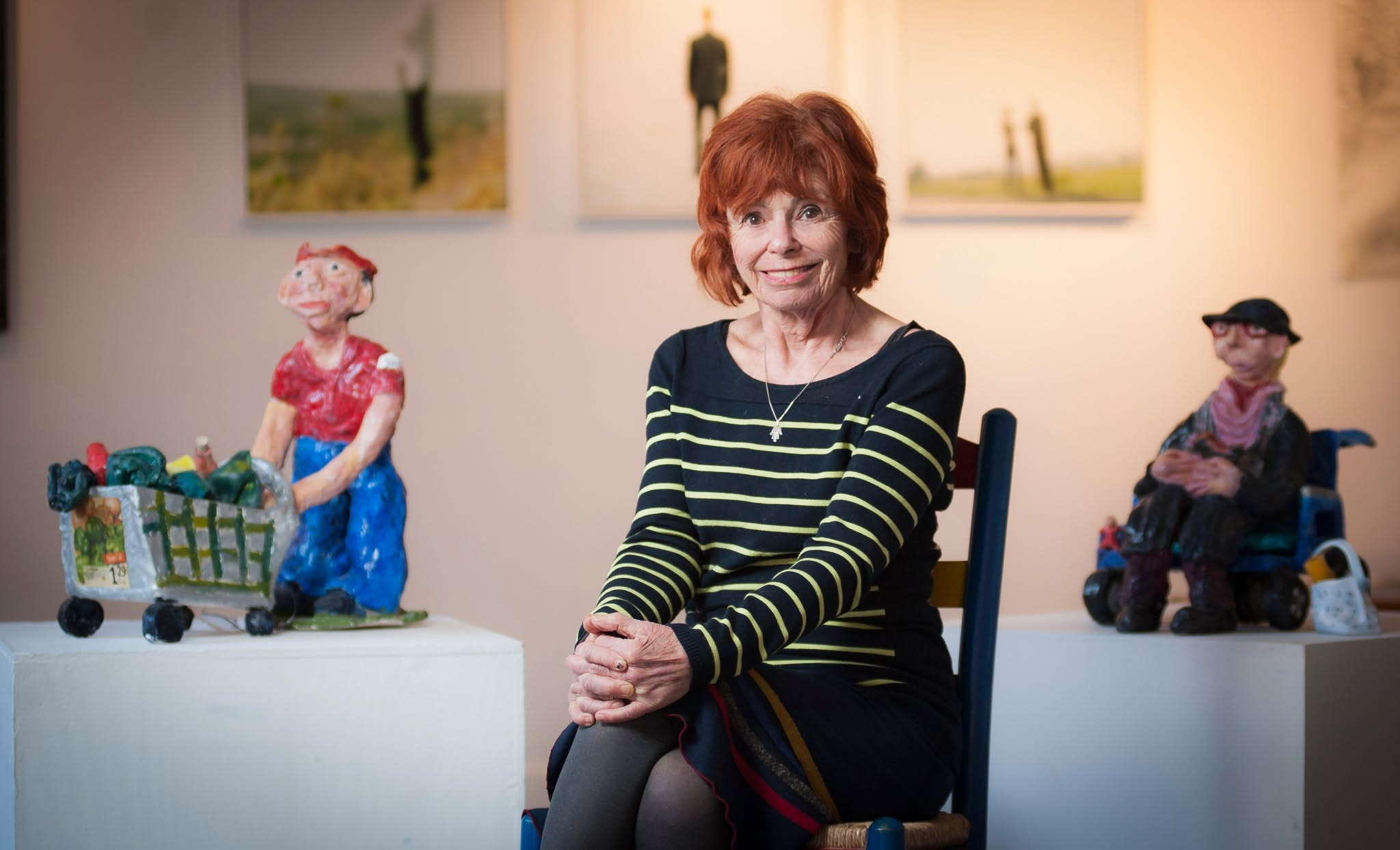
Bonnie Leyton in her gallery in downtown St. John’s, captured wonderfully by photographer Greg Locke.
“Hello, Bonnie,” I would often say.
“Hello, darling,” she might often reply.
I knew Bonnie Leyton in a variety of contexts over a large number of years, but I saw her most often over the last couple of years. Several times a week, I would encounter her at the seniors’ residence where my mother, Sheila Gushue, now lives. Bonnie lived on the same floor, and she and Mom would sometimes share a table for their meals.
Bonnie, an artist and potter herself but better known, I think, for the Leyton Gallery she opened more than two decades ago, died earlier this week.
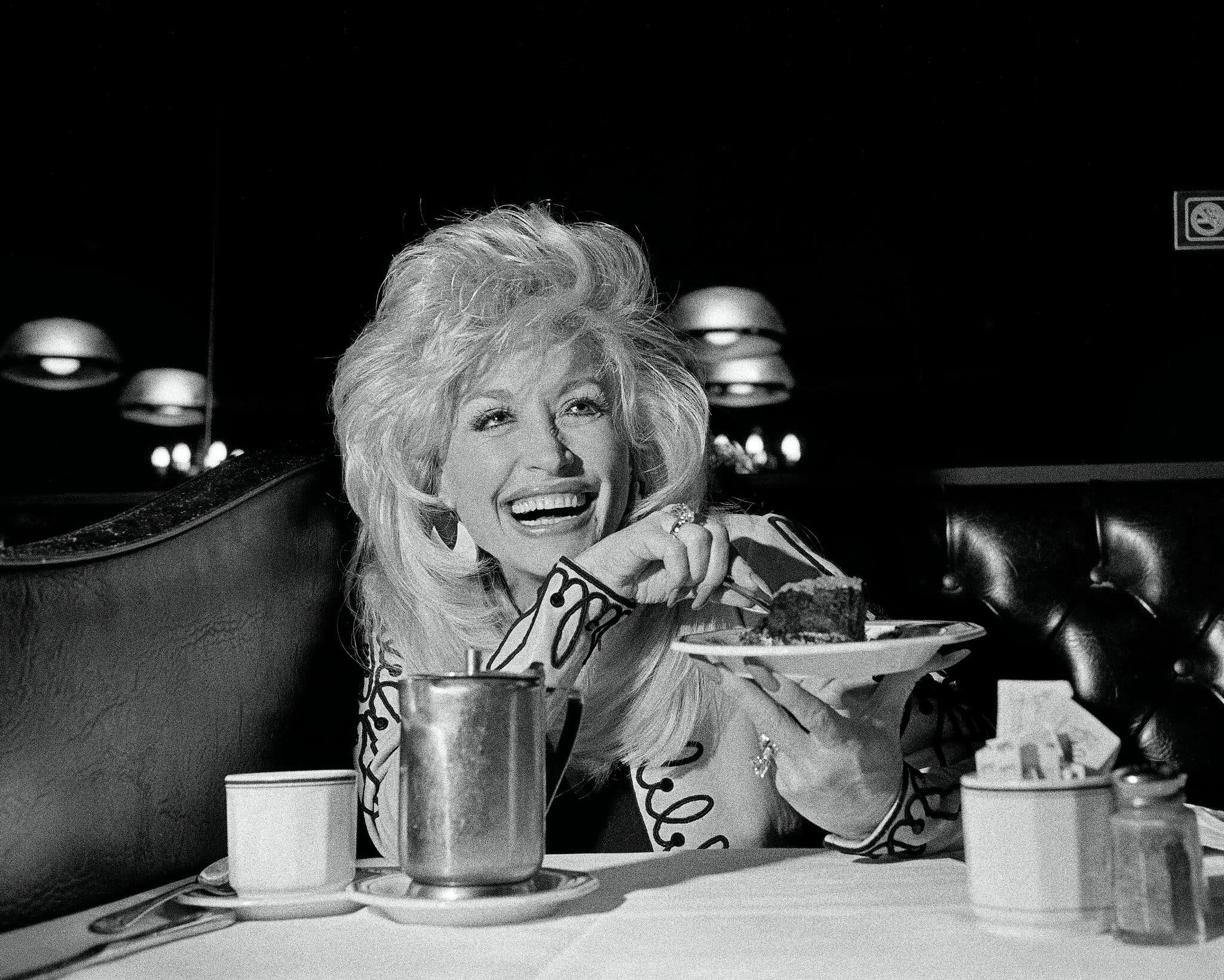
Dolly Parton, photographed in 1992 for the New York Times by Edward Keating
“I’ve always been misunderstood because of how I look; don’t judge me by the cover ’cause I’m a real good book.” — Dolly Parton
In November 2023, I borrowed the audiobook of Songteller: My Life in Lyrics from a library, and came to appreciate the work of Dolly Parton far more deeply. She wrote an amazing 3,000 songs during her life, and some of them will live on as standards.
Parton, who died Tuesday at 80 after a brief battle with cancer, was famous during most of my life, first as a country star, then as an actor, all-round entertainer, philanthropist and advocate. Her recognition as a songwriter took a while to emerge, and it’s clear that the success of owning all that copyright allowed her to spend her fortune as she wished. It is so remarkable that she focused on literacy. Her Imagination Library, founded in honour of her father, who lacked basic literacy skills, has distributed more than 300 million books free of charge to preschool children over the last three decades.
Over the weekend, we hosted some visiting friends for a dinner, and Martha reached for a true family favourite for the main course: the paella recipe she learned from her mother.
Julita Muzychka moved from Spain to Canada in 1960 with her Ukrainian-born husband Stefan. She was a pediatrician; he taught languages at Memorial University. Martha, the first of the four children they would raise in St. John’s, arrived the next year.
Through the years, Julita would make an incredible paella — a mainstay of Spanish cuisine, it’s filled with rice, vegetables and meat. Traditionally, it often has seafood, but my allergies (so much for being a Newfoundlander!) meant that our family dinners are fish-less.