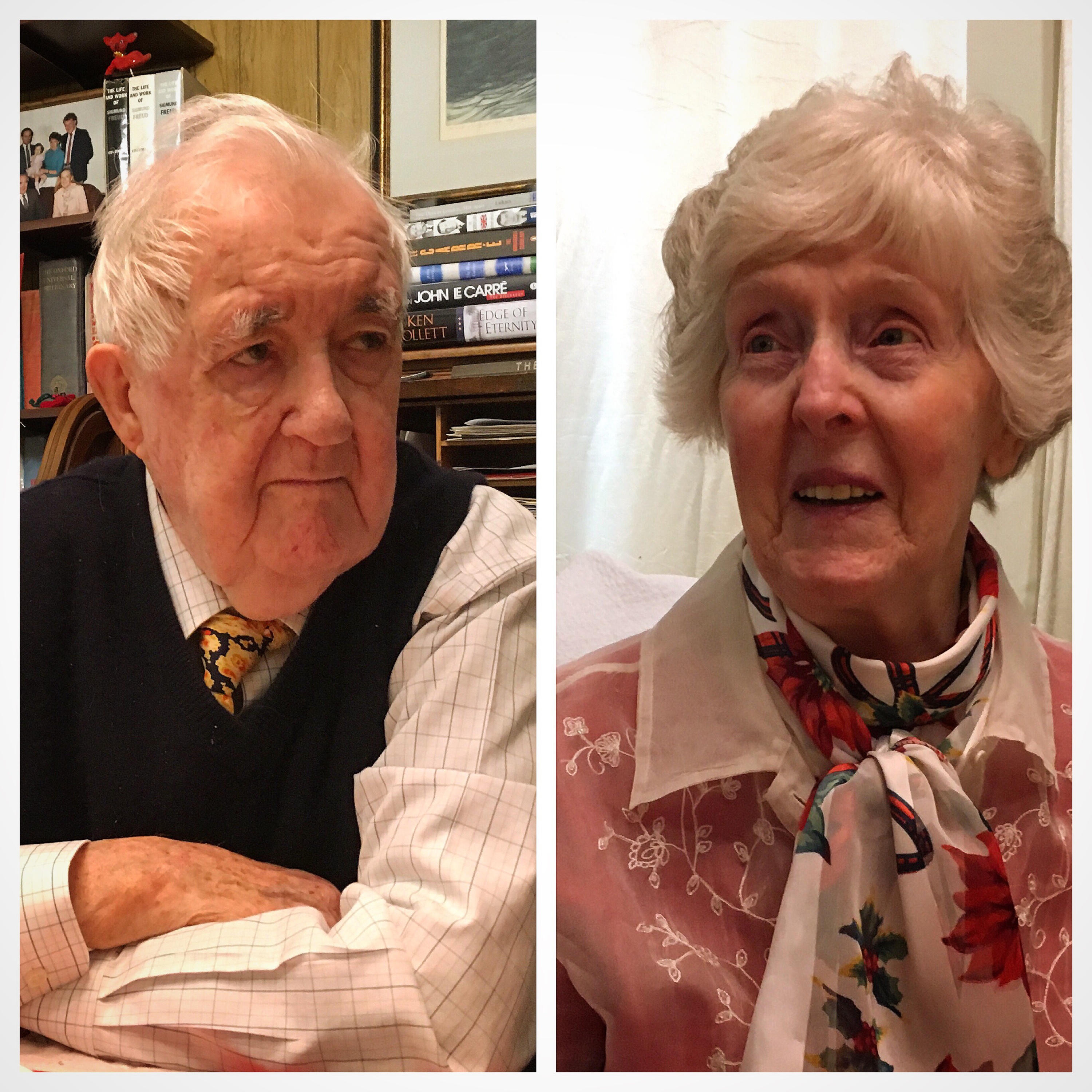
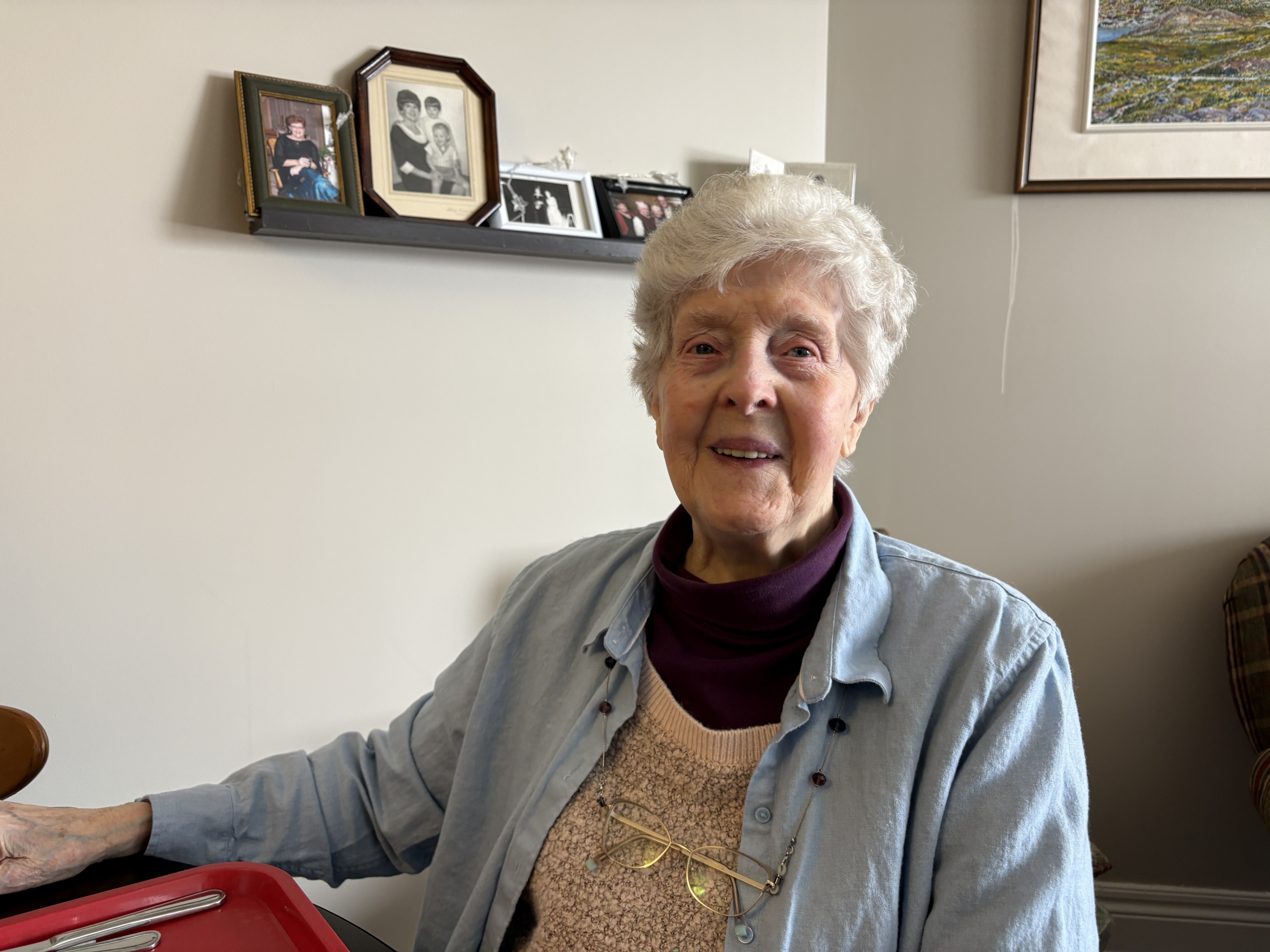
Two years ago today was the last day of my dad’s life.
Bill Gushue died in his home on July 30, 2024. It was not a shock: he was 95, and he had spent his final months in a bed we set up in the living room. I actually thought we were going to lose him when he became ill, in January.
Yesterday, by coincidence, I attended a session on grief and end of life at the Alzheimer Society in St. John’s, and while the subject matter was heavy, I greatly appreciated it. This was part of the First Link program I’ve been taking in, to better help with my mom’s Alzheimer’s. In this case, I found much of what was discussed helpful in reflecting on Dad’s death, and how we continue to grieve it.
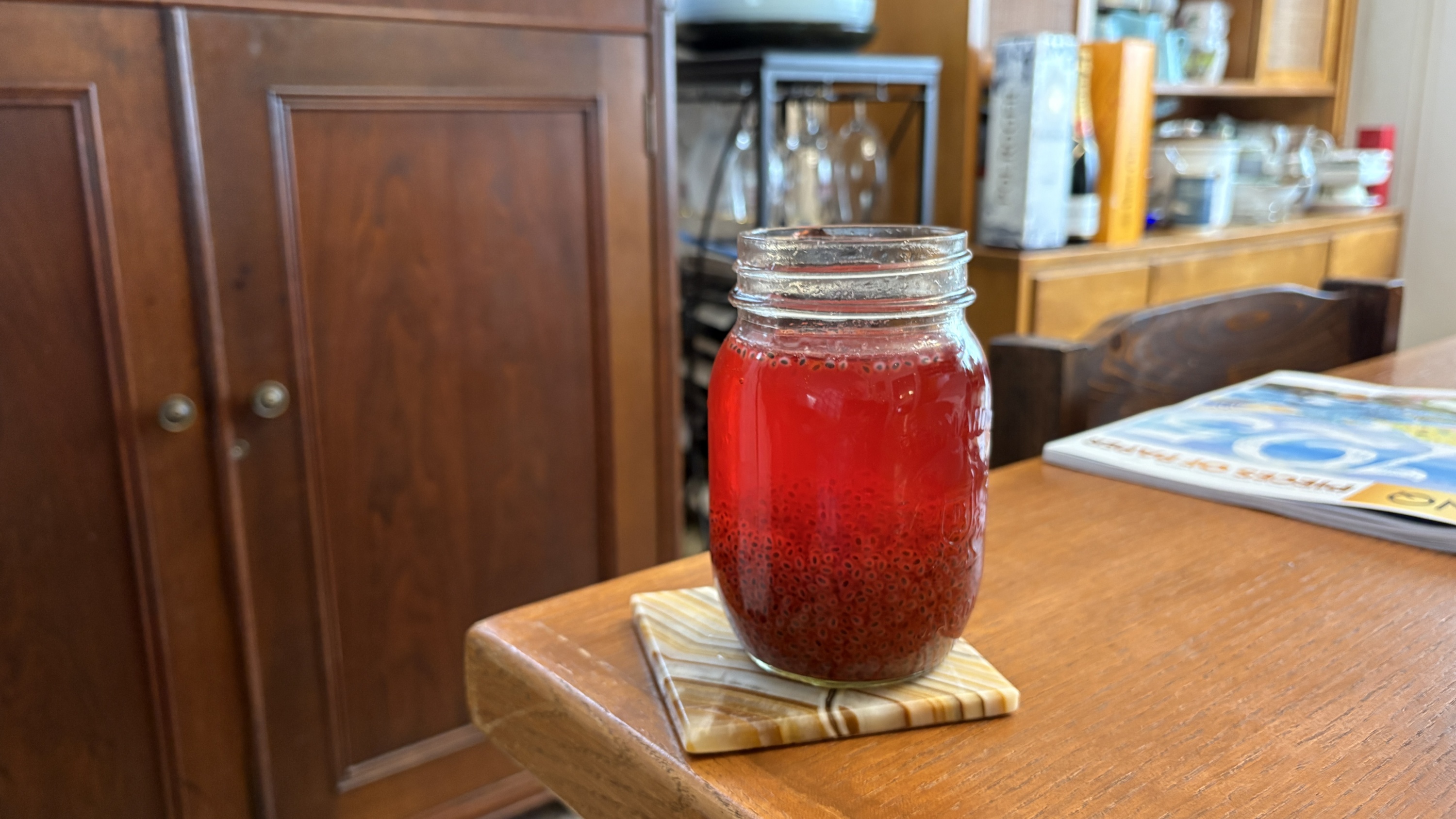
It’s not the most glamorous drink, but it’s been a go-to thing for me for the better part of a year.
Earlier this month, I wrote about my big, ugly fibre-packed bowl of breakfast, and how over the months it’s helped me get on track for getting a solid start to my day.
It’s not the only change I’ve made. Seeds can do a lot of heavy lifting in terms of nutrition; although they can be relatively high in calories for their small weight, they offer a lot in both soluble and insoluble fibre, protein, and omega-3 and other fats.
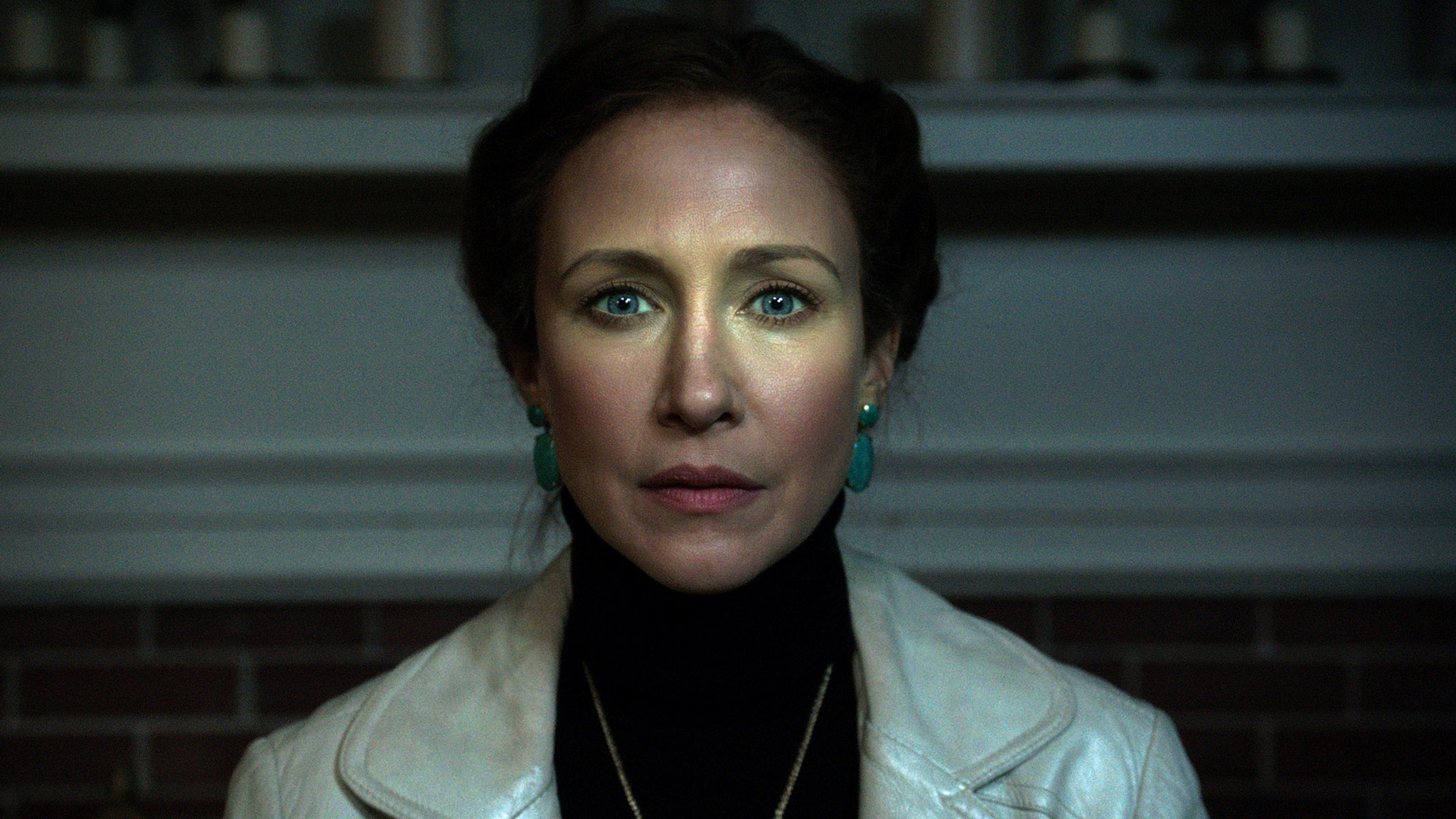
“I’m least challenged or inspired by [Hollywood] stories… I’ve gravitated towards independent cinema because you have to work harder in studio scripts to flesh out characters, particularly female ones. They are not as sharply edged, they tend to be quite watery. They are not renderings of women as I know them.” — Vera Farmiga
In an interview with the Guardian in 2011, about a year after she was nominated for an Oscar for an outstanding performance in Up In the Air, Vera Farmiga spoke eloquently about the appeal of seeking out roles in independent productions.
Several times this year alone, I’ve spoken with people who have had to deal with an issue that can be a defining moment in a family: surrendering a driver’s licence.
Driving can get more complicated as we age. Many people can drive safely in their senior years, but it’s often inevitable at a certain point that safety must come first.
You can imagine this becomes especially fraught with Alzheimer’s, which attacks cognitive powers like decision-making, and will also likely affect reaction times, spatial awareness and focus on tasks, among other elements of safe driving.
Like a lot of people, I didn’t think that much of George Michael at the outset. Wham! was a huge pop act in the early and mid-Eighties, and were hard to escape. Nothing really against the tunes, but I was in my late teens and early 20s, and just didn’t care.
I kind of came around a bit when Listen Without Prejudice came out in 1990, and I eventually grew to have a grudging respect for George Michael.
My impression has changed thanks to a remarkable book called Tonight the Music Seems So Loud: The Meaning of George Michael, by the British journalist Sathnam Sanghera.
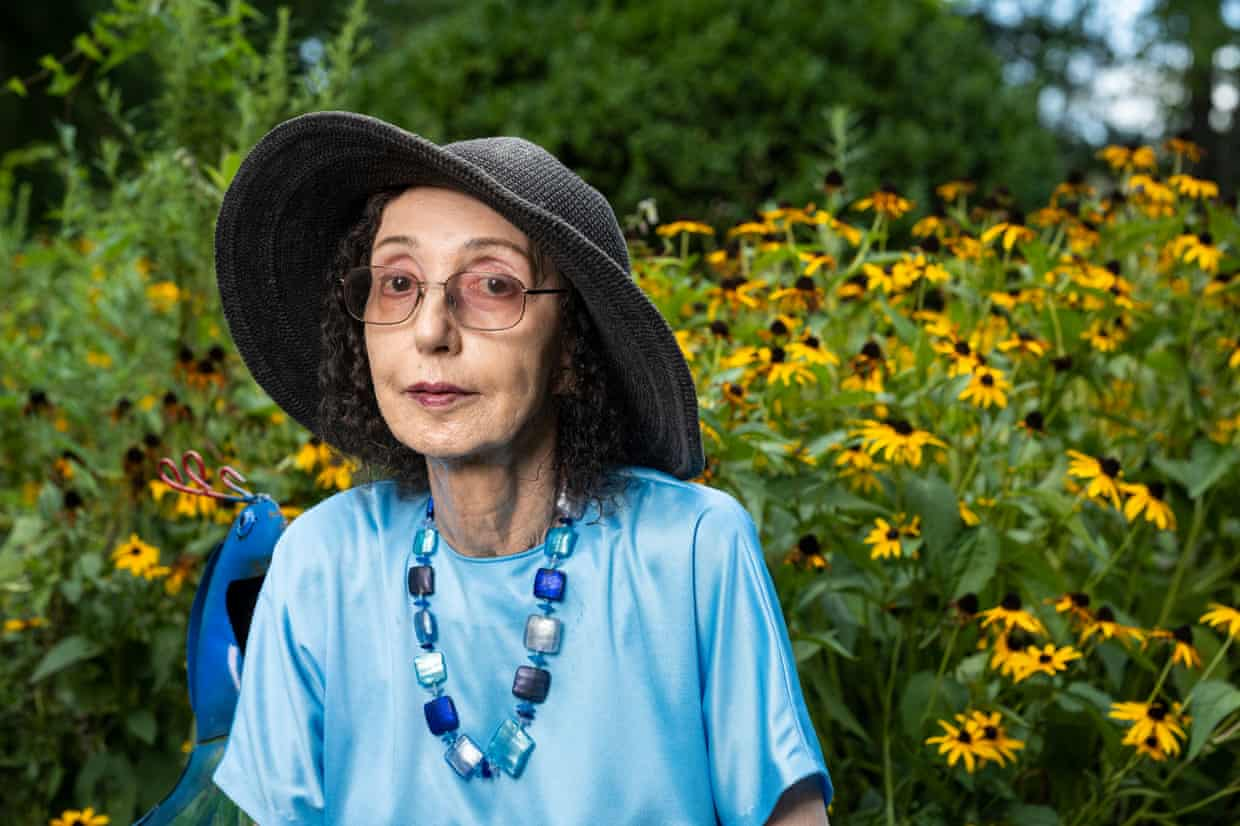
“Ideas brush past fleeting and insubstantial as moths. But I let them go, I don’t want them. What I want is a voice.” — Joyce Carol Oates
Having turned 88 last month, the American author Joyce Carol Oates is still active. She has published nearly 60 novels (so far) and that does not include essays, poetry, short fiction, plays and anthologized work. Whew. (Wikipedia’s bibliography page takes a while to scroll.)
The lines above come from a 1988 contribution to the now-defunct literary magazine Antaeus. Her insight speaks to me: writers often say they are waiting for the next good idea to appear, but for Oates, ideas are simple enough to obtain. “What I want is a voice” tells me that she is looking for the spine, the authority of the work, the reason for the story to be told.
“No good opera plot can be sensible, for people do not sing when they are feeling sensible.” — W.H. Auden
So wrote the British poet W.H. Auden, during a period of his life after he had emigrated to the United States. His comment on opera — as high art as it gets — does speak to something fundamental to the form: on face value, it’s all over the top.
As much as opera characters don’t sing when they are sensible, we also need to suspend our disbelief when we watch a musical. After all, in real life, we simply don’t switch into singing our hearts out on a dime (nor with everyone else around us waiting to sing along).
In November 1986, I went to see New Order at the Congress Centre in Ottawa. Peter Gabriel was playing that same night in an arena across town; instead of a nosebleed seat there, I went for the floor and a chance to see a favourite band up close. (I got to see Peter Gabriel on a later tour. Whew.)
The night was a bit fraught. I had bought tickets also for a coworker and her friends who would be visiting from Montreal — and they decided at the last minute to not come. I had tickets to unload! I paced outside the congress centre, which is on the threshold of Parliament Hill, and eventually found people to take them.
Martha and I were in Toronto in early June, just before FIFA launched the World Cup matches in cities across North America.
Toronto was clearly expecting some hoopla — and not just in anticipatory (actually, some of it was predatory) pricing in accommodations. I was shocked to see that an AirBnb we once booked increased its nightly rate by about 500 per cent for game nights. I gather from chatter out of the hospitality trade that that kind of dramatic profit-taking did not come to pass. Boo hoo.
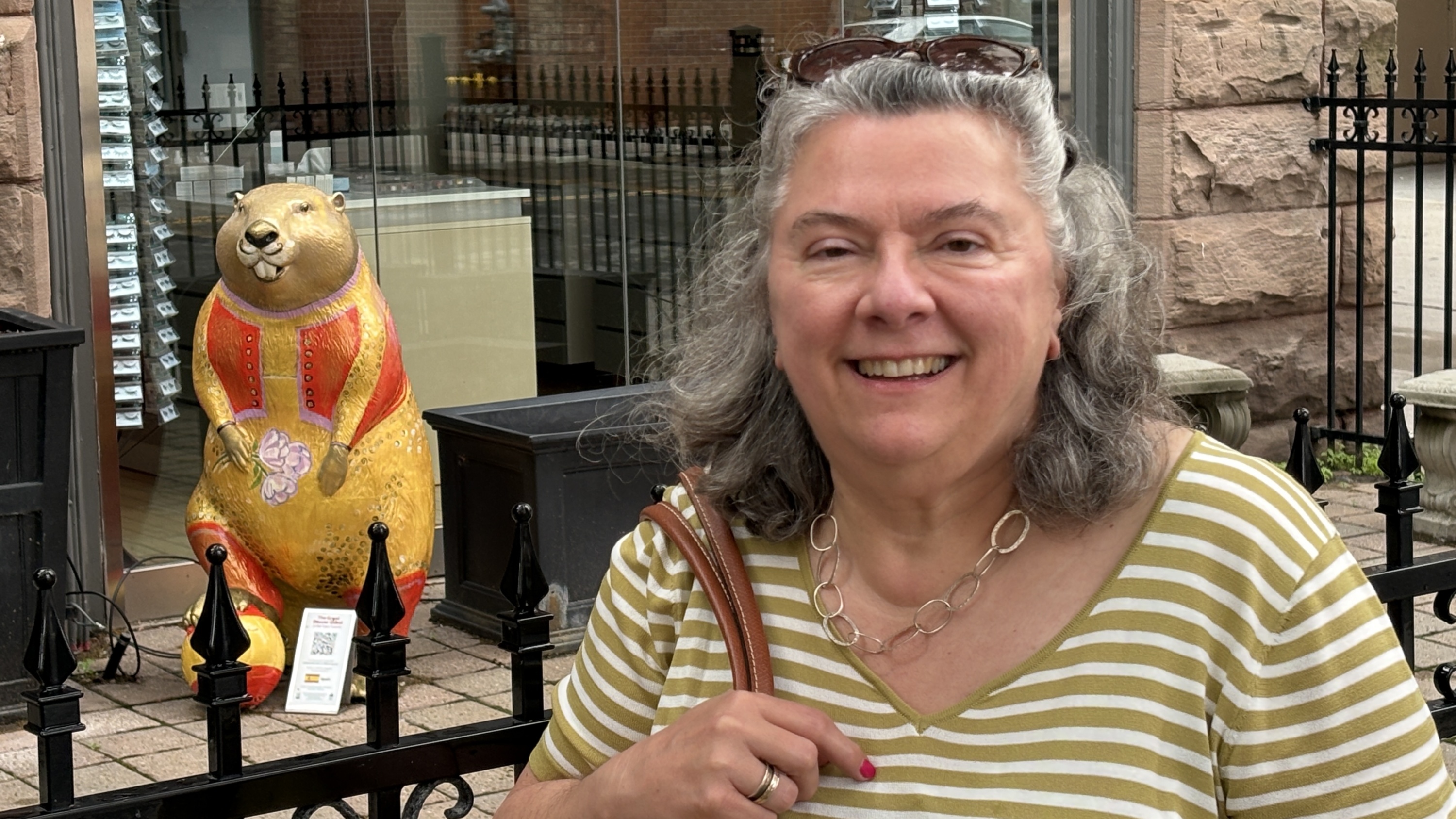
But … there were some really wonderful things, and one of them was called the Great Beaver Quest, in which 51 hand-painted beavers were scattered around the Old Town district of downtown Toronto.
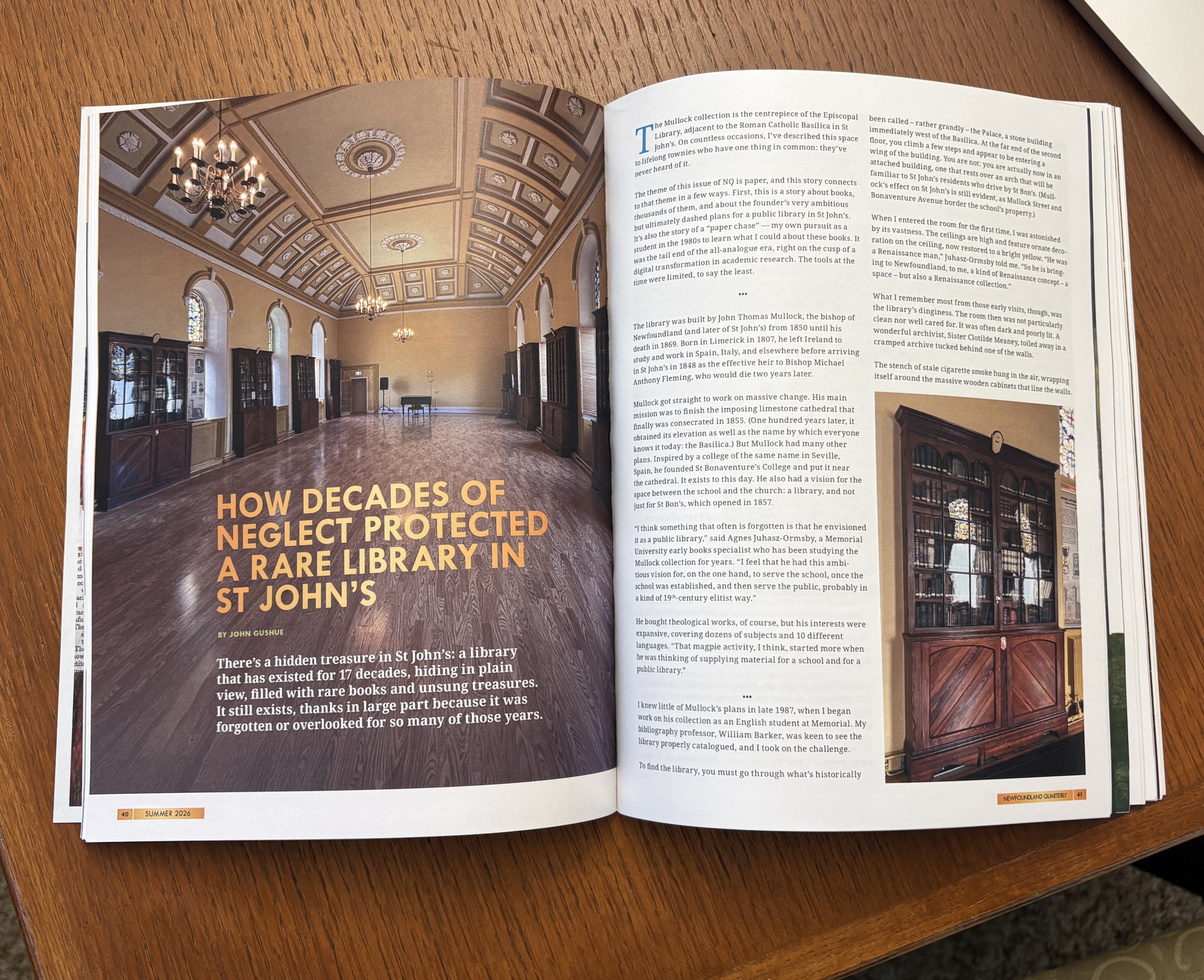
For many years, I’ve delighted in telling people about a library in St. John’s that most folks have never seen — nor even heard of.
I’ve written an article for the summer issue of NQ, a.k.a. Newfoundland Quarterly, about it.
The theme of the issue is paper, and my article suits it in a couple of ways. It’s a story about a place consisting of scores of rare books, founded in the 19th century with great ambition by a bishop who wanted to build the first public library in St. John’s (not to mention a university).
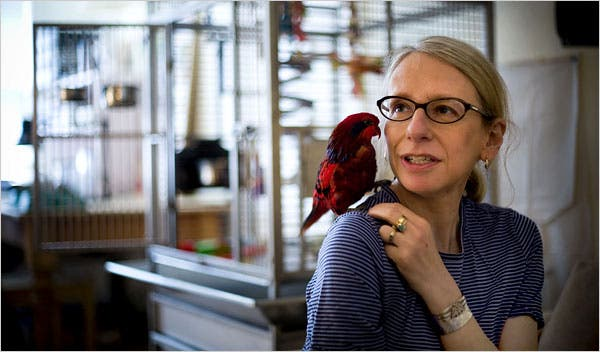
“We have things that grow outside of the house but I wouldn’t really call it a garden.” — Roz Chast
A prime attraction of The New Yorker for almost five decades, the cartoonist Roz Chast draws daily life in all its frenzied, neurotic, off-kilter glory. Her style is recognizable from a distance: there’s an awkwardness in her characters that is endearing and recognizable.
Once in a while, she makes the cover, too, like this seasonally appropriate tribute to summer treats from 2024. It features lesser known ice cream flavours, like “Grandpa’s Tea” and “Placebo” and (sooo curious about this one, being a Newfoundlander) “Hardtack.”
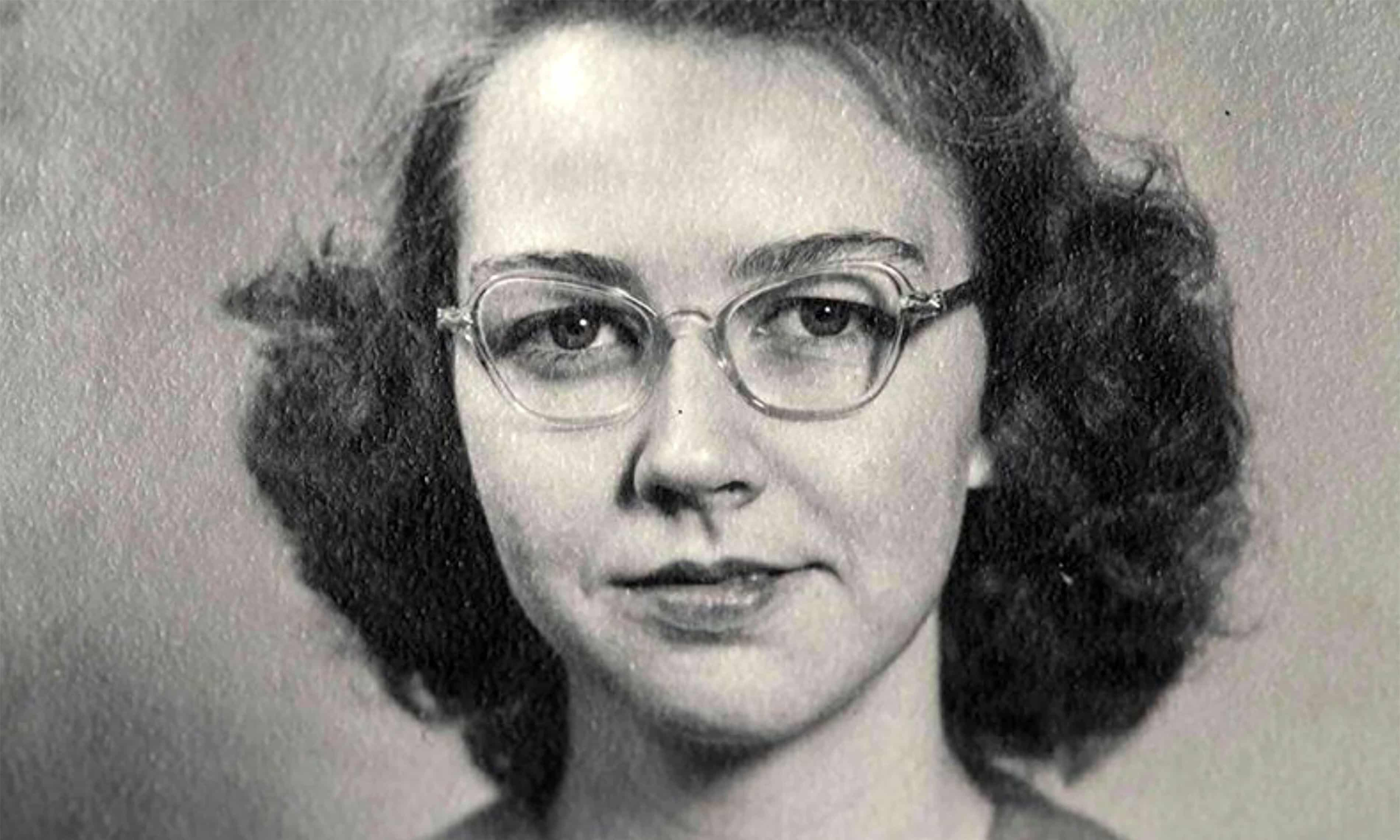
“The truth does not change according to our ability to stomach it emotionally.” — Flannery O’Connor
You won’t find photos of the American author Flannery O’Connor as an old woman, nor even really of a middle-aged one. She was killed by lupus before she turned 40.
The author of just two novels, O’Connor is I think better known for her many short stories, which have been widely anthologized through the years.
Even before I started reading up on dementia in early 2024, when my mother’s Alzheimer’s was presenting itself, I knew about the phenomenon of wanting to go home.
I heard about it from friends, who described anxious patients wanting to leave the safety of their care in an institution. I had read about it over the years in articles and in personal accounts.
It was inevitable, then, that I would live it as well.
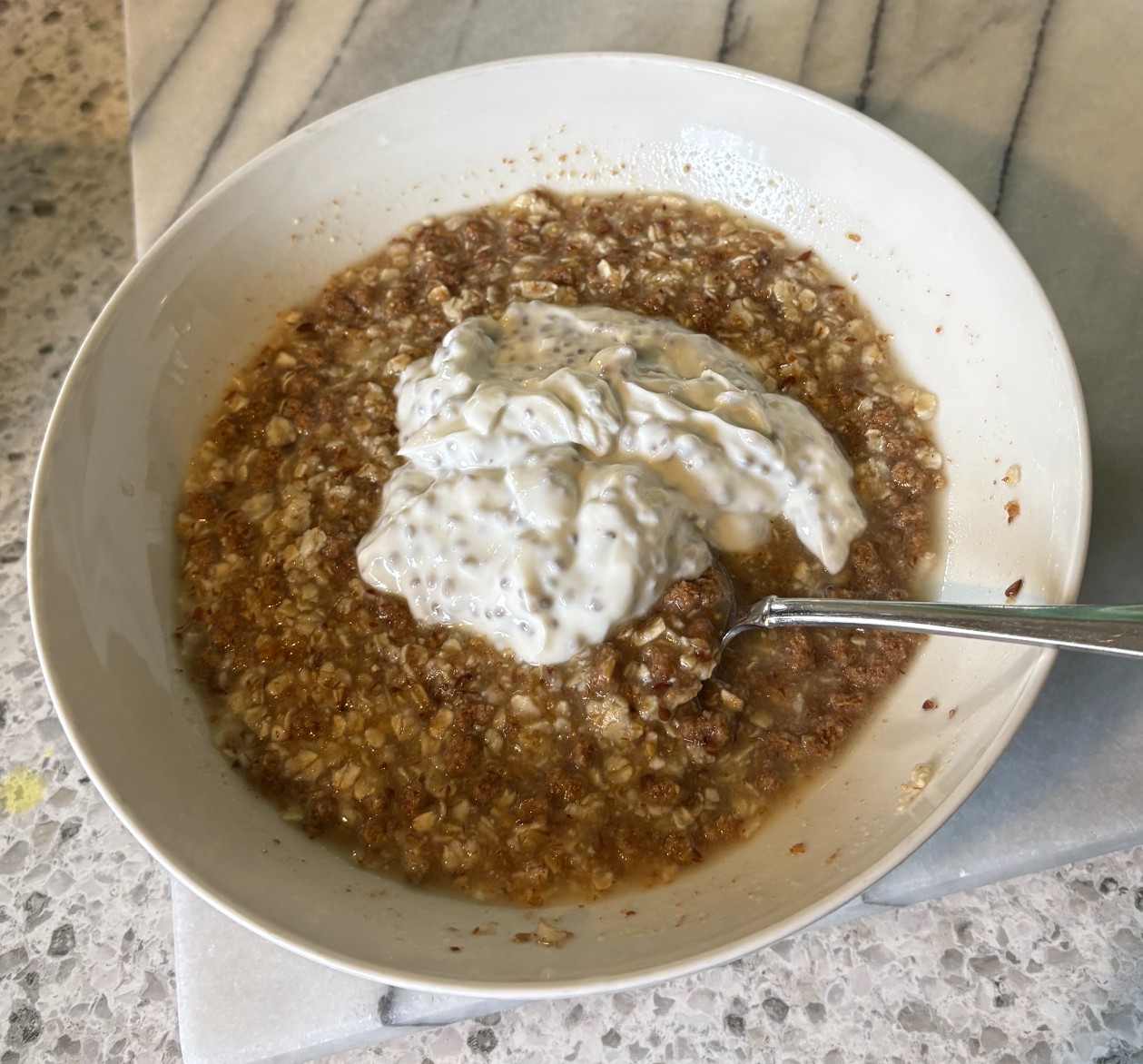
For almost a year, I’ve been eating from a breakfast bowl that often isn’t much to look at, but I can say without reservations that it’s had a great effect on my health.
The goal was to boost my fibre intake, which I had been gradually been trying to address. According to Health Canada, most Canadians don’t meet the halfway mark for daily fibre needs, and I was definitely in that number. (How much fibre — soluble and insoluble, they both matter — varies on age, size and gender, but often-cited numbers are 25 grams for many women and 38 grams for many men.
It turns out that I can get a lot of that work done early in the day. We’ve become mindful of other meals, too (and during the day I sip on a glass of water with holy basil seeds, which packs a huge fibre punch), but breakfast has been my focus.
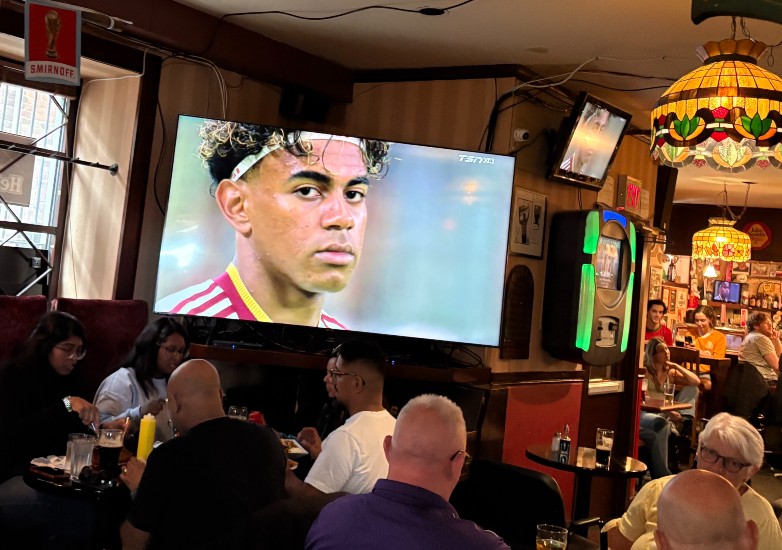
Like hundreds of millions of others, we’ve been watching the men’s World Cup. Sometimes we’re at home, but we’ve been making a point of joining others for a communal watch at bars downtown.
This is the first World Cup round where I’ve been retired, making it easier to be comfortably seated for a match in the mid-afternoon.
On Monday, we took a bus downtown to the Duke of Duckworth to see Spain take on Portugal.