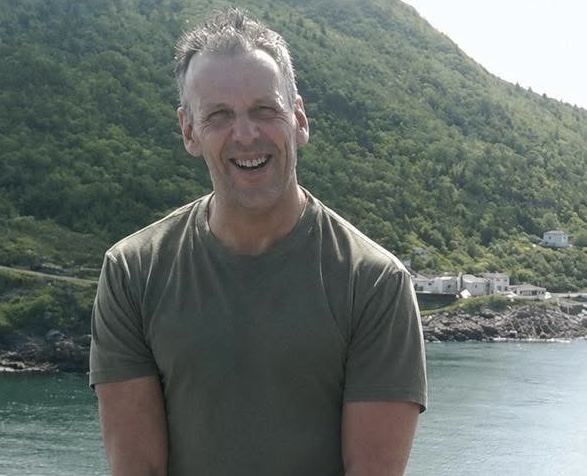
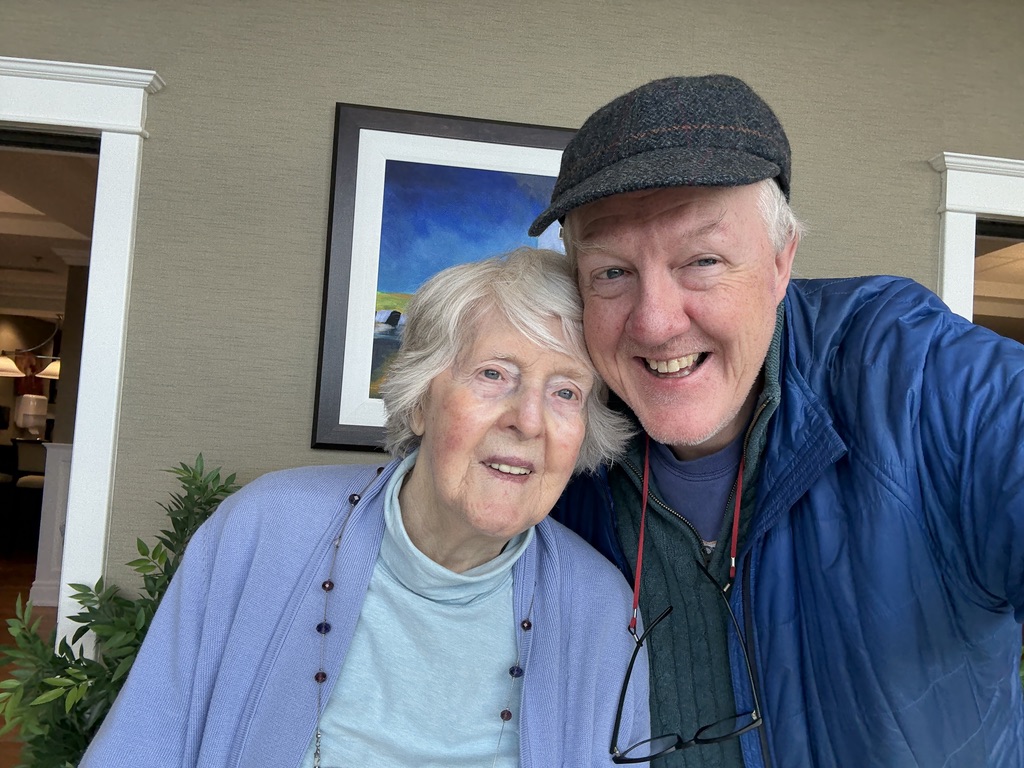
What kind of person was David Feder? I learned a story this morning, when I was watching the recording of his funeral, which was held Tuesday in St. John’s.
When he was recovering from one of his hip surgeries, he used to walk from his home on Forest Road to the Dominion store by Quidi Vidi Lake — not to shop, but to push a cart around as part of his recovery, like a kind of walker.
The priest said he would do this up to three times a day, and he came to know the staff — who surely had noticed a man pacing the aisles with a cart. Not surprisingly, Dave became friends with them.
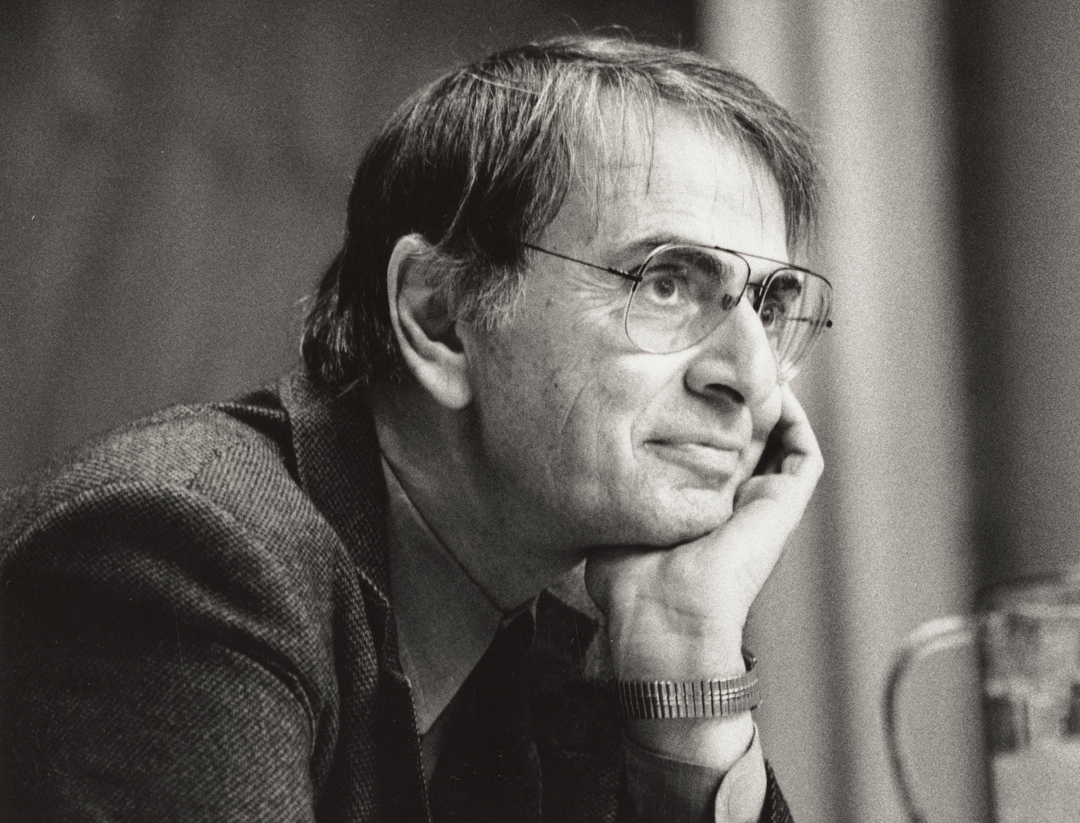
“Where we have strong emotions, we’re liable to fool ourselves.” — Carl Sagan
Carl Sagan uttered these words in the groundbreaking TV series Cosmos, which aired on PBS in the fall of 1980. Sagan’s documentaries, and the accompanying bestselling book, had the unusual effect of turning a scientist into a celebrity.
It’s important to note the popular impact of Sagan’s work. While the series was airing, he appeared on the cover of Time magazine, itself a marker of the zeitgeist, a pinnacle no doubt for a person’s career or of something commanding public attention.
Here’s a story about a gift that left me speechless. Well, for a good few moments.
Years ago, I had a wonderful scarf — until I no longer did.
It was long, warm, striped and rich in chromatic colours, and I wore it everywhere. It was warm and great in cold, windy weather … ideal, then for eastern Newfoundland and its skin-stripping winds. I also liked that there was at least one colour in the scarf that went with pretty much anything I could wear.
Somewhere along the line, though, I lost it. I think it slipped out of the arm of a coat after I hung it up. Who knows.
Martha had found the original in England; I spent some time searching retail websites for another. Eventually, I parked the notion and moved on.
Fast-forward to last Christmas.
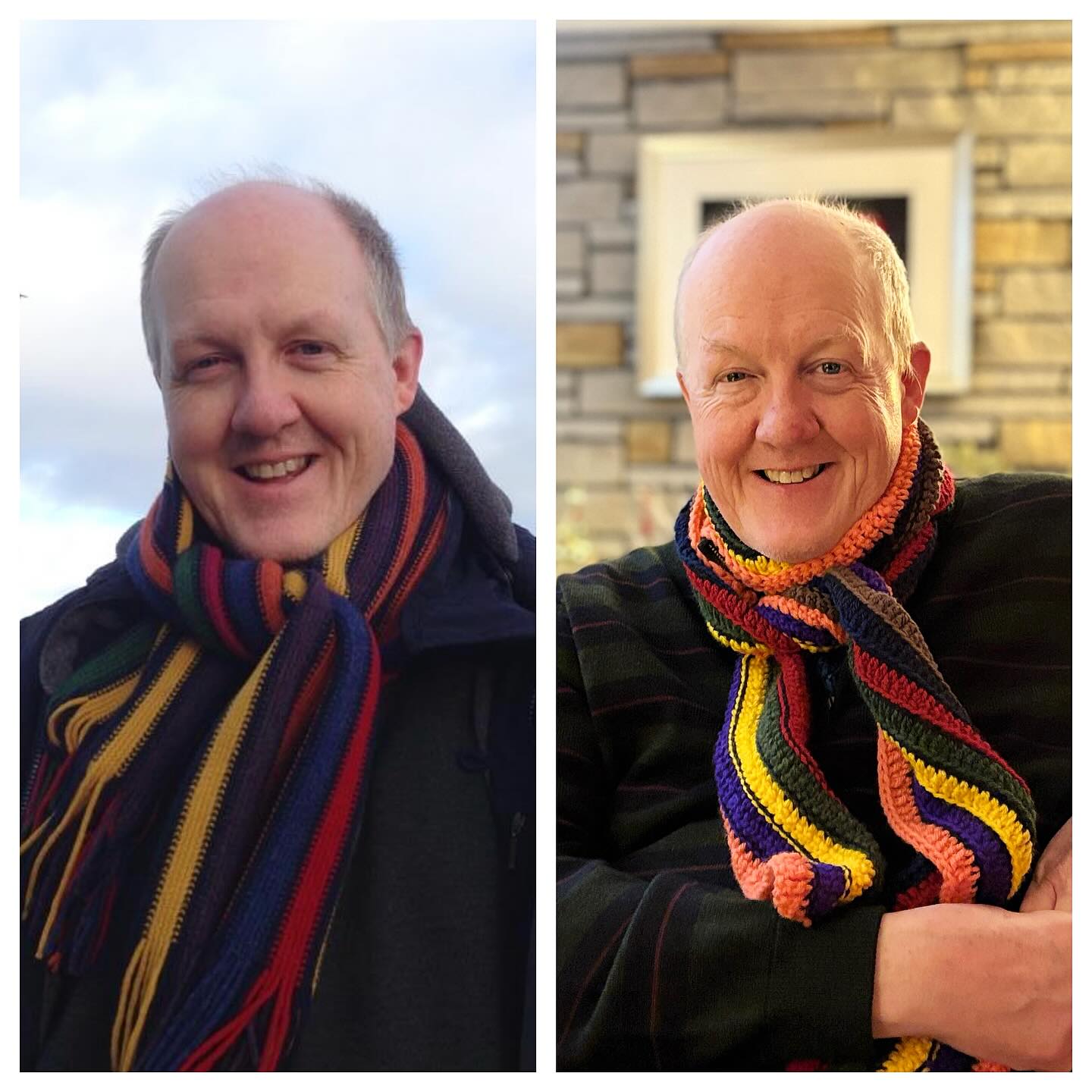
Nick, our child, and their partner Mary presented me with a handmade scarf, which emulates the lost treasure. It’s the one on the right.
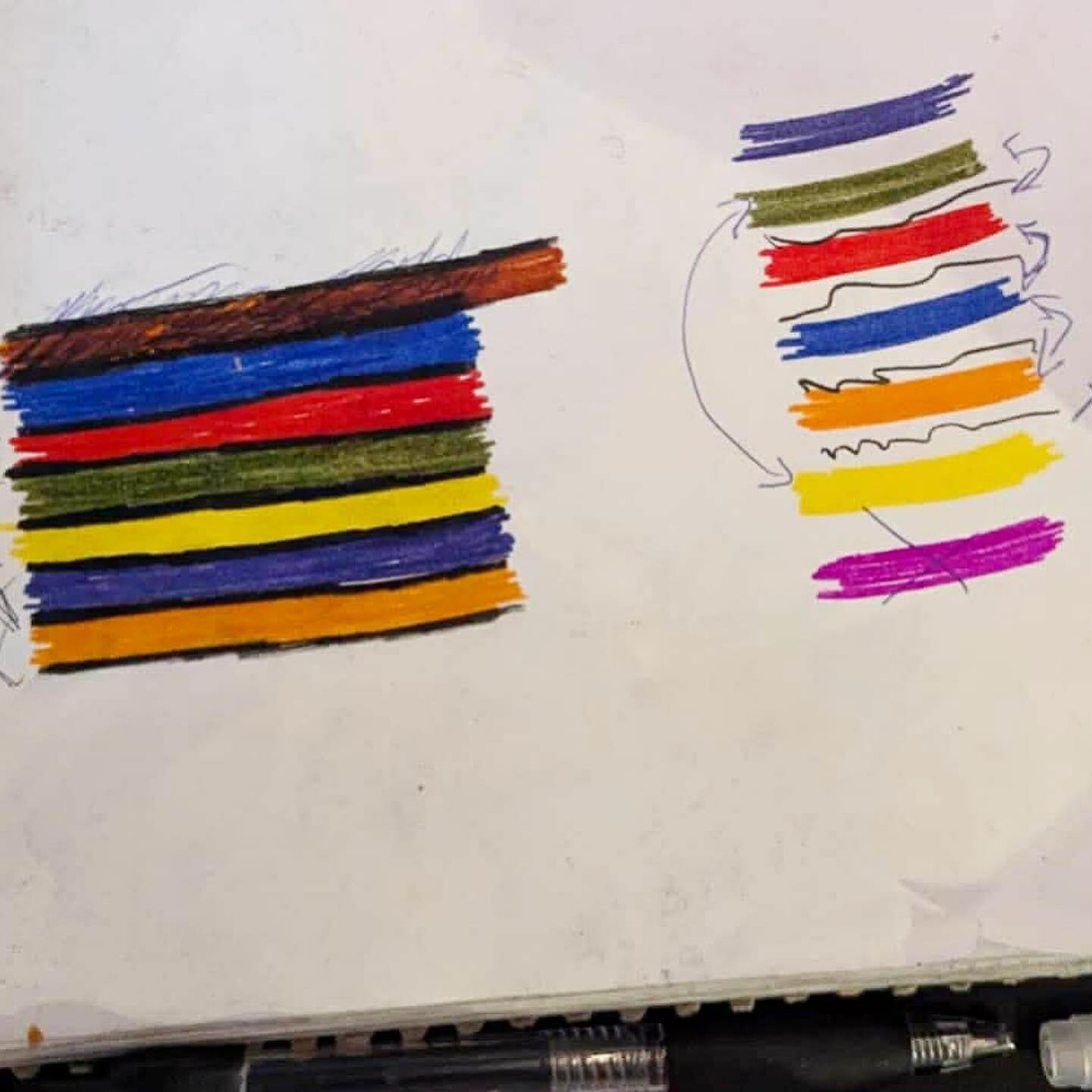
Mary crocheted it, one colour at a time. Nick had combed through their family photos, looking for glimpses of me wearing it, trying to figure out not just the precise shades but the sequence.
I was both impressed and grateful. It’s tucked away now at the top of our front closet, and goodness knows, it won’t be long before I pluck it out again.
Thanks, Nicole and Mary: you are the very, very best.
It might seem unusual, but I’ve been leaning into the main rule of improvisational comedy as a way of helping my mom, especially in moments when her Alzheimer’s disease is posing a challenge.
A few things to explain. Even though I haven’t done much improv myself, I love the field and have read a lot about it. (In fact, I’m in the midst of another book, Sam Wasson’s Improv Nation, which is about the roots of a comedy form that has influenced entertainment around the world.)
The principle of improv comes down to two words: Yes, and…
“I will not be lectured about sexism and misogyny by this man. I will not. And the government will not be lectured about sexism and misogyny by this man. Not now, not ever. The leader of the Opposition says that people who hold sexist views and who are misogynists are not appropriate for high office. Well, I hope the leader of the Opposition has got a piece of paper and he is writing out his resignation, because if he wants to know what misogyny looks like in modern Australia he does not need a motion in the House of Representatives; he needs a mirror.” — Julia Gillard
Occasionally, there’s a moment in politics when more than just words are said out loud. It’s a moment, or a pivot point, or a line that marks “before” and after,” or something that just capture’s the world’s attention, if not its imagination.
Julia Gillard’s fiery takedown of political opponent Tony Abbott in 2012 was so visceral and has become so legendary, it’s often just called her “misogyny speech.” The moment even has its own Wikipedia page.
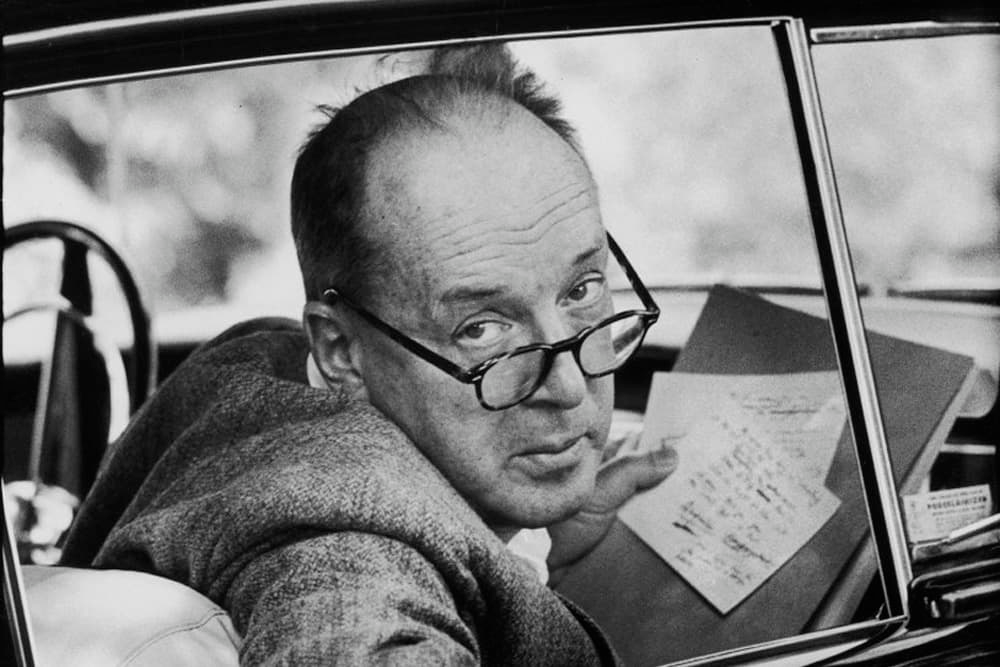
“For better or worse, it is the commentator who has the last word.” — Vladimir Nabokov
This observation from Vladimir Nabokov is spoken by one of the Russian-American novelist’s characters, and not a nice one, either. (The author himself was a bit of a piece of work, to be fair.)
In Pale Fire, a lengthy unpublished poem is left behind by a poet named John Shade. The work is brought to the public — but is thoroughly changed in “editing” by his neighbour, an academic (his profession is no coincidence) named Charles Kinbote.
Kinbote makes the comment while justifying himself, and it seems to be Nabokov’s commentary on intellectuals vs. artists, creators vs. interpreters.
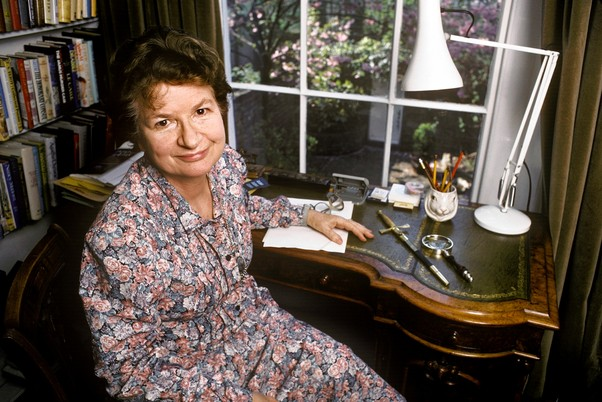
“One should never trespass on kindness. Human kindness is like a defective tap: the first gush may be impressive, but the stream soon dries up.” — P.D. James
I had come across a truncated version of this quote from the British mystery writer P.D. James, and was curious about context. It brought me back to her 1989 novel Devices and Desires, in which her famed poet-detective Adam Dalgliesh goes to the Norfolk coast to investigate a murder near a nuclear power plant, all while a serial killer is also on the loose.
The quote comes from a minor yet vitally important character named Jonah — a vagabond and a bit of a rover, who relies on area farmers and their generosity, offering to buy a couple of eggs and a pint of milk while expecting to be given significantly more, including a warm night in a barn.
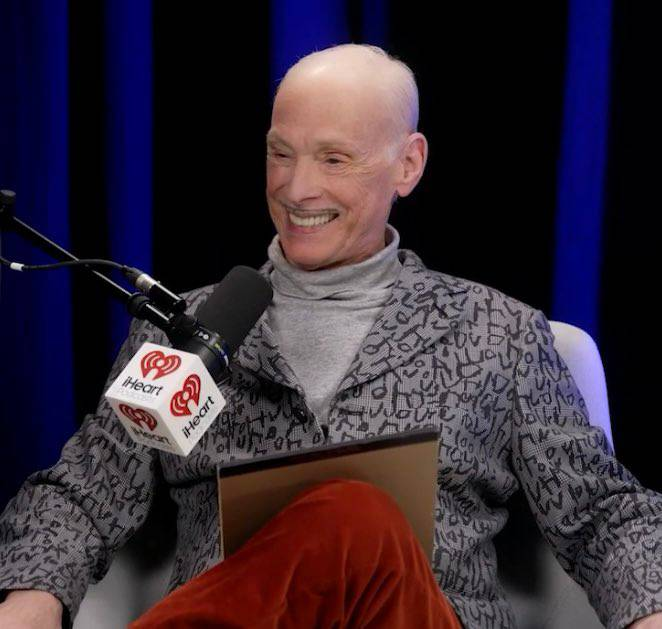
“I hate it when actors use the word ‘journey.’ That’s not a f–king journey, winning a Spirit Award. Escaping from Ukraine is.” — John Waters
I’ve been a fan of John Waters and his trashy-chic aesthetic and persona for a long time. His 1986 collection of essays Crackpot was influential on me in my early 20s, and thereafter; he has a way of being arch and affecting, sometimes in the same moment. He’s better known for his movies (Pink Flamingos, Hairspray) than for his writing, but they’re worth checking out.
The observation above came from Waters’s appearance earlier this month on the Las Culturistas podcast, when he unveiled a list of grievances to hosts Bowen Yang and Matt Rogers.
He has a point with the word “journey,” and it’s far from actors who use it too much or inappropriately. It’s a bit of a bugbear for me, because the word is used so often now, and in almost any context, that it has lost its impact.
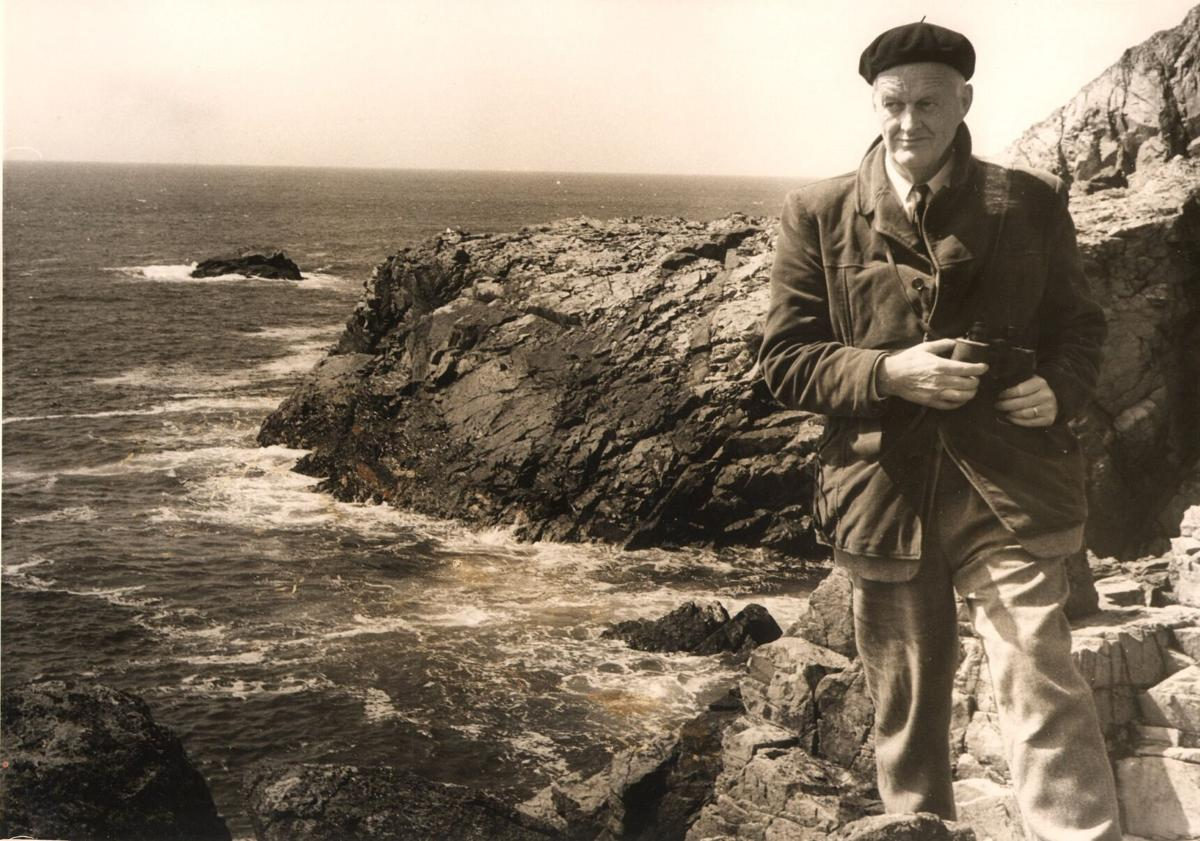
“The other creatures with which we share this world have their rights too, but not speaking our language, they have no voice, no vote; it is our moral duty to take care of them.” — Roger Tory Peterson
When I was growing up, the books of Roger Tory Peterson seemed to appear in the houses of friends where at least someone in the family was into birdwatching — or, perhaps, wanted to be.
My dad kept a pair of binoculars by the den window, and had at least one of Peterson’s books nearby, but I honestly can’t remember talking with him about the American conservationist and artist, whose exquisite drawings remain a gold standard for detail and observation.
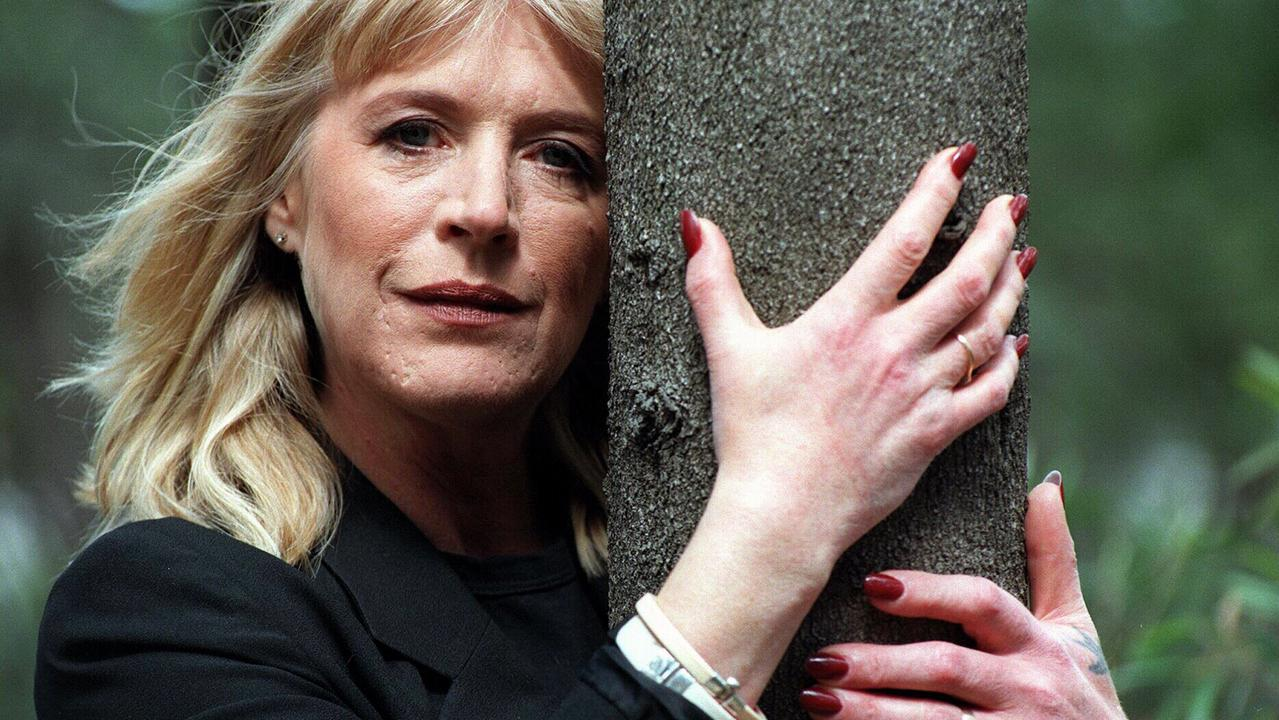
“Never apologize, never explain — didn’t we always say that? Well, I haven’t and I don’t.” — Marianne Faithfull
Those words appear in the first of Marianne Faithfull’s memoirs, Faithfull: An Autobiography, which was published in 1994. By that time, Faithfull had been through a few career renaissances and reinventions, but was still in the throes of a series of addictions that have been somewhat synonymous with her name.
She beat back the addictions, ignored the haters, performed what she wanted and how, and aged rather gracefully, which is impressive considering that her life included tragedies, homelessness and more than two decades of being hooked on narcotics.
She died in January 2025. I have a feeling music fans will be talking about her, and listening to the breadth of her vast catalogue, for decades to come.
Language can get in the way when you travel to another country, and that apparently can involve some Americans who would prefer to speak English their own way, thank you very much.
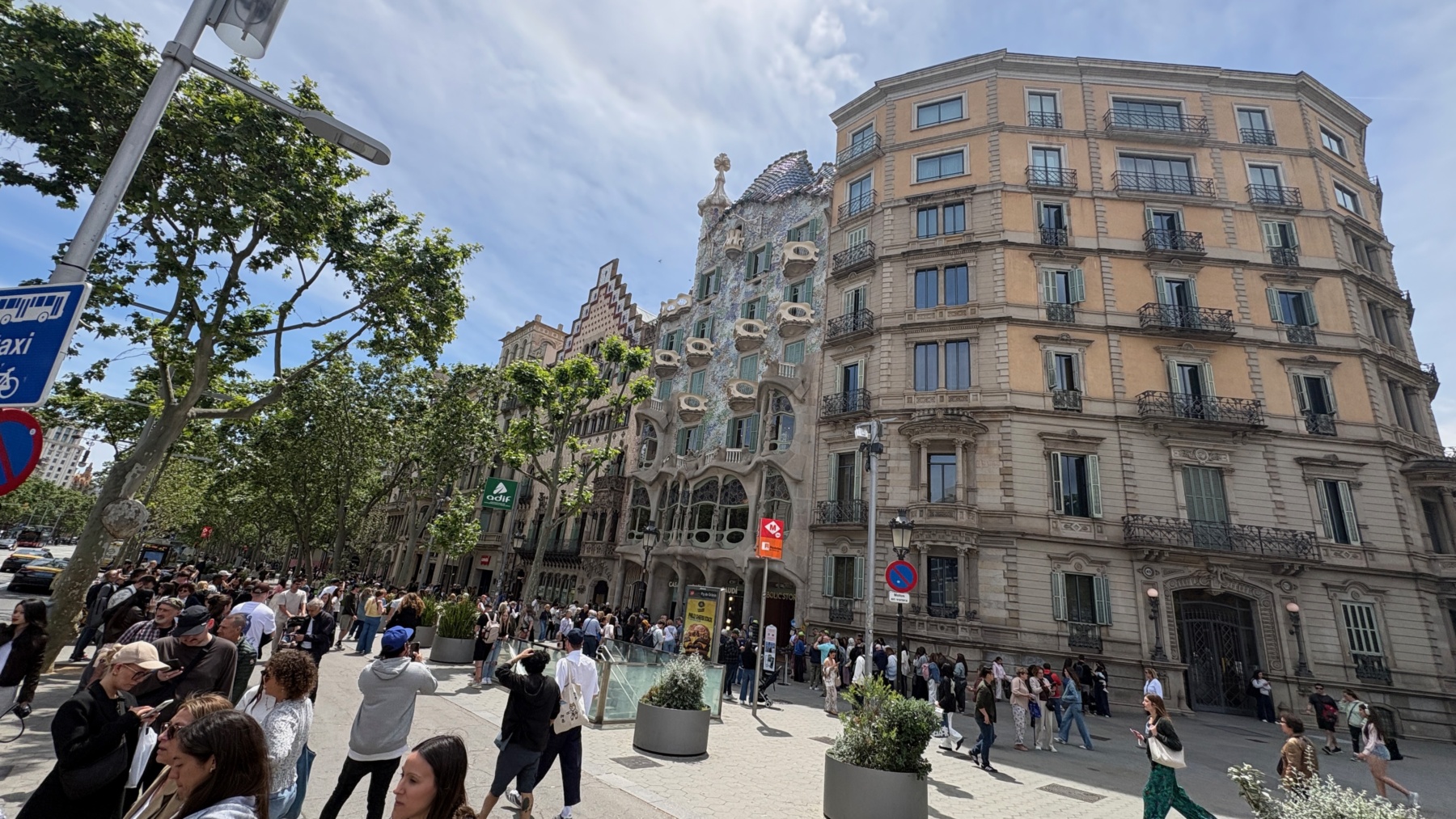
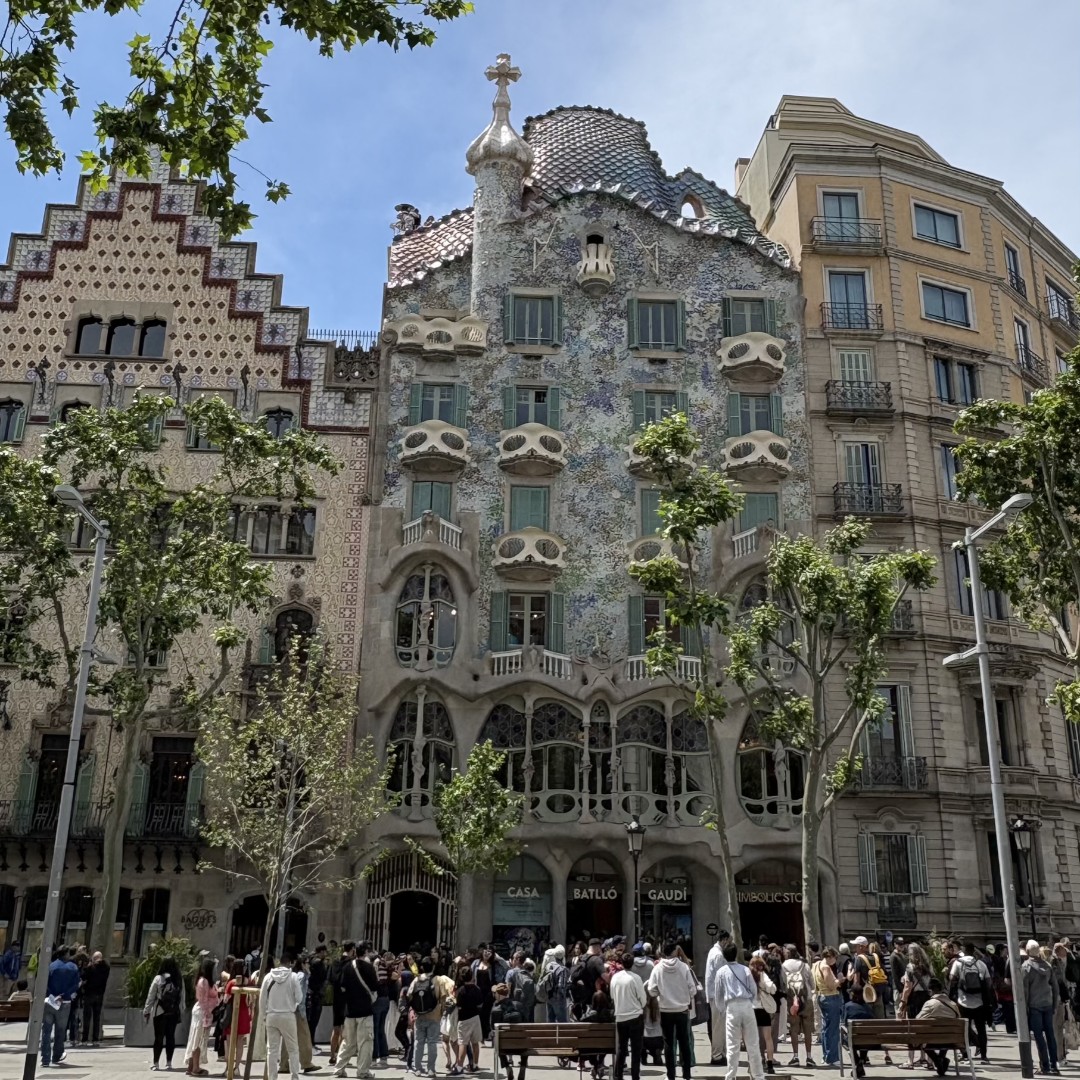
We were at Casa Battló in Barcelona, a remarkable bit of architecture I wrote about in this post. The operators offer an audioguide, and while in the queue to get a pair, we were standing near an American man who suddenly got rather panicky.
“I need English,” he was exclaiming, while looking at the language options.
The clerk assured him that English was provided, and pointed to the icon for the Union Jack, near the flags of other nations to indicate guests can also listen in German, Japanese, Italian and numerous other languages.
“As we all understand, you can take a man’s show, you can’t take a man’s voice.” — David Letterman
I expect to see a lot of Stephen Colbert in the headlines this week, as the clock ticks toward the final episode of The Late Show on Thursday night. This is of course not a voluntary departure; CBS shocked the broadcast industry last summer by telling Colbert the upcoming season would be his last.
On top of that, it’ll be the final episode of The Late Show, which Colbert inherited in 2015 from David Letterman, who launched it 22 years earlier.
We had planned to spend the day in one of the masterpieces created by the Barcelona architect Antoni Gaudí, and wound up in another. It was a real lemonade-out-of-lemons experience, and it included one of my all-time vacation moments.
Weeks before our trip to Spain, I booked tickets for Sagrada Familia, the awe-inspiring cathedral Gaudí designed long before his death in 1926, and which to this day is still under construction. We have been there before, Martha twice. My visit there in 2018 was memorable, and I wanted to see it again — and also to see how much has changed in the intervening years.
The visit was not to be. I received an email the day before saying that a “private event” had caused the cancellation for our visit times, and that we were receiving a refund.
Montserrat is many things: a mountain, a monastery, a municipality, a park. It’s one of the most stunning places I’ve ever seen.
Martha and I caught a bus from Barcelona on Wednesday morning, making a short voyage in about an hour and a half. To get there, you ascend via hairpin turns in a highway that encircles the mountain.
On arrival, you see the popularity of the attraction: there’s not endless, Disney-style parking, but there were plenty of cars tucked into spaces as we made our way to the drop-off, parking by other buses. (There’s also a train connection from the city.)
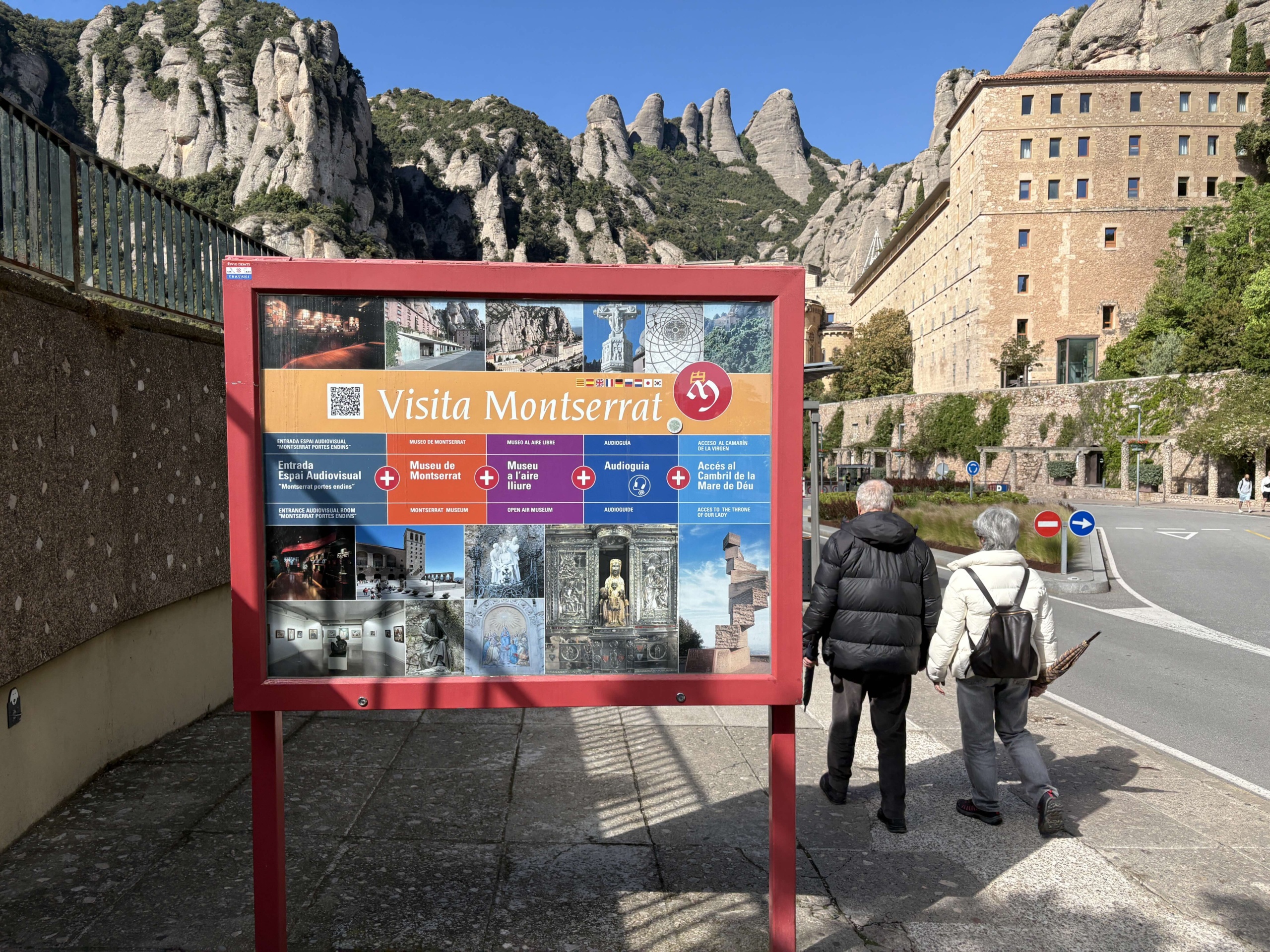
The mountain is the main attraction, but this place is also famous for its thousand-year-old monastery, Santa Maria de Montserrat. It operates to this day with a small number of Benedictine monks, although almost everyone you will see will be a tourist or a staff person taking care of attractions.
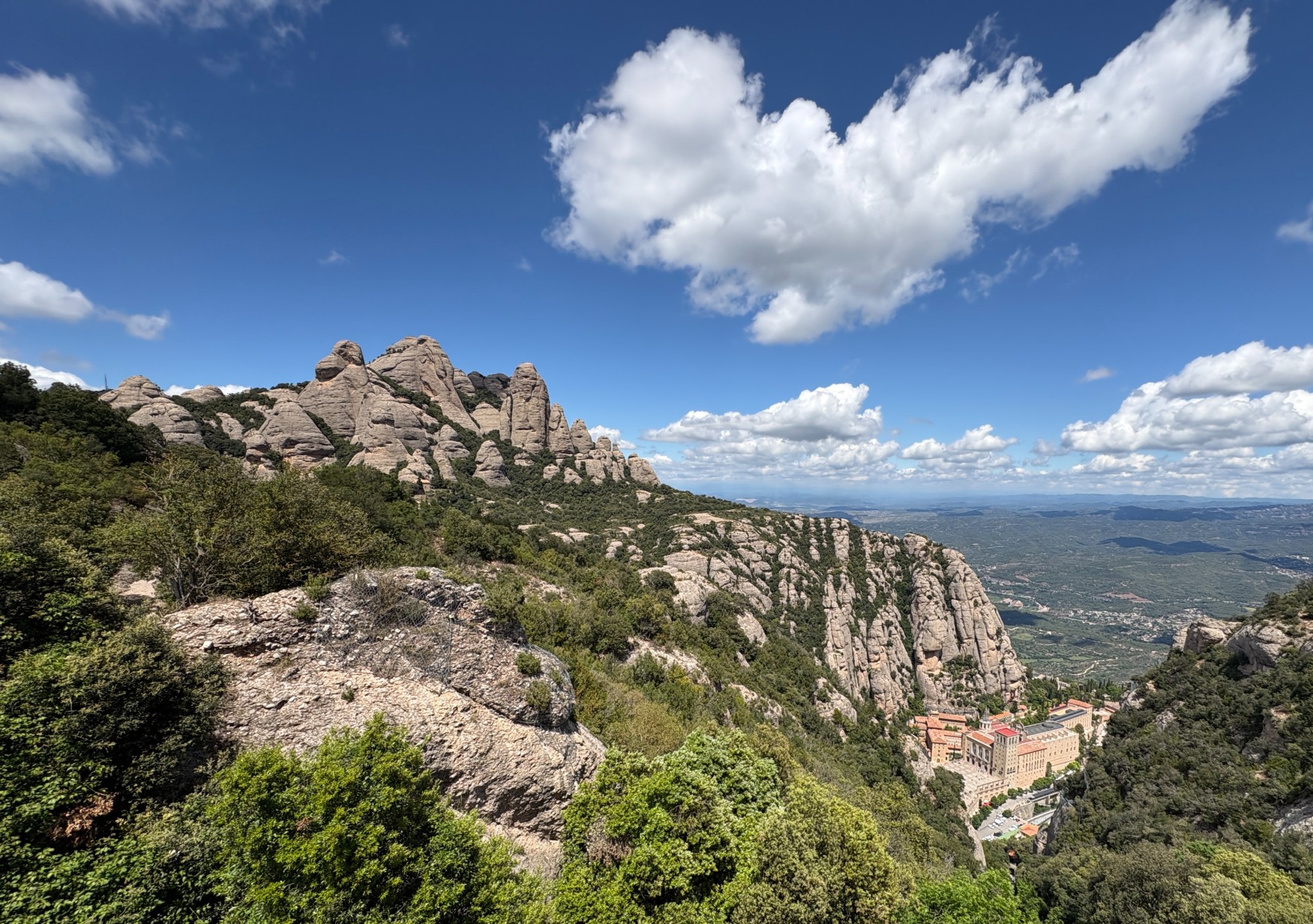
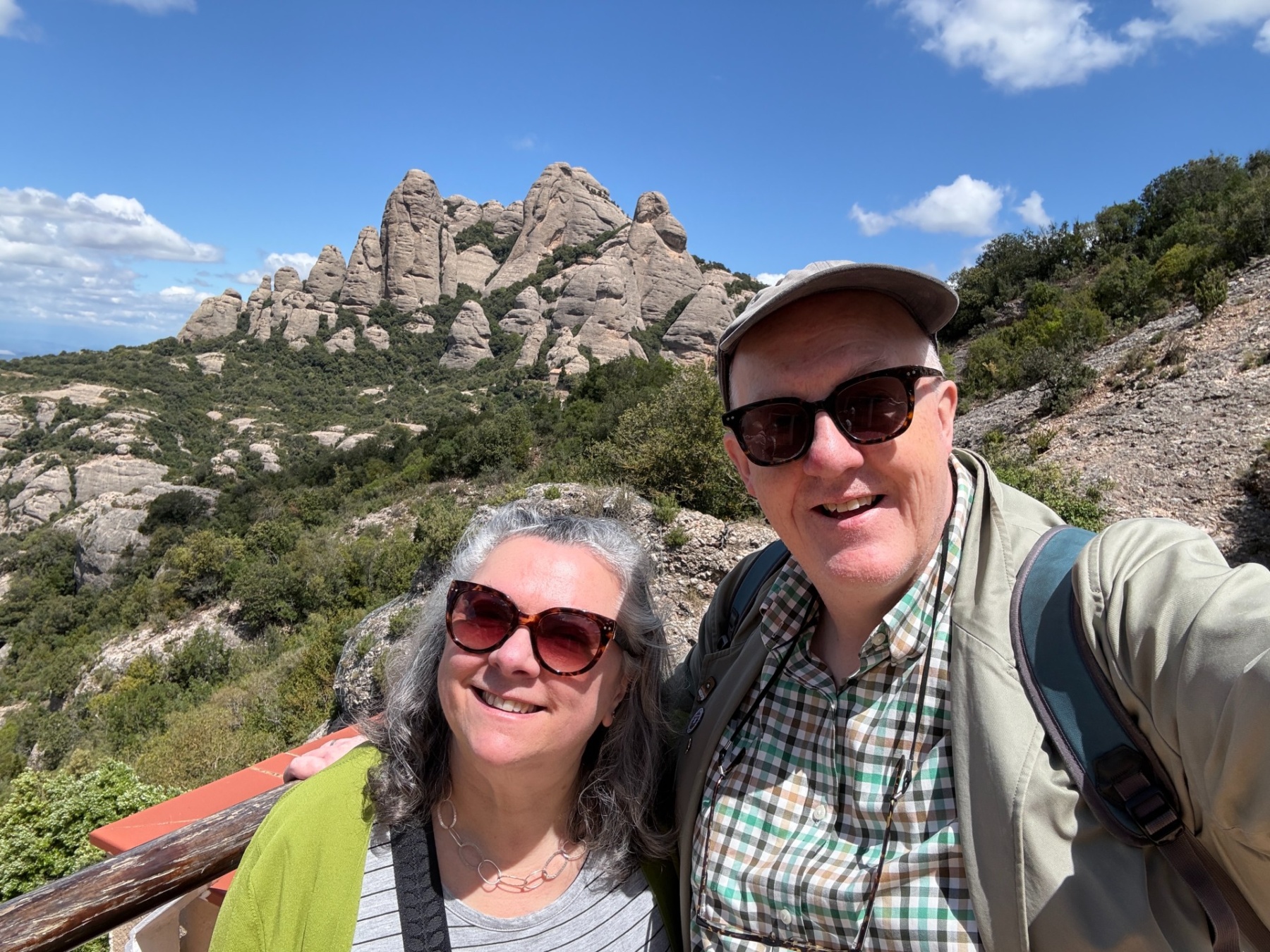
The mountain is known for its unusual pillars and finger-like shapes — sometimes they’re called the frares encantats, or enchanted friars, a nod to the monks who sought to be closer to heaven by working at the top of the summit. The shapes have not always been there, of course; they’re the result of erosion and rainfalls over hundreds of thousands of years.
Views at Montserrat are a key reason to go, and you’re rewarded with every turn, after each ascent.
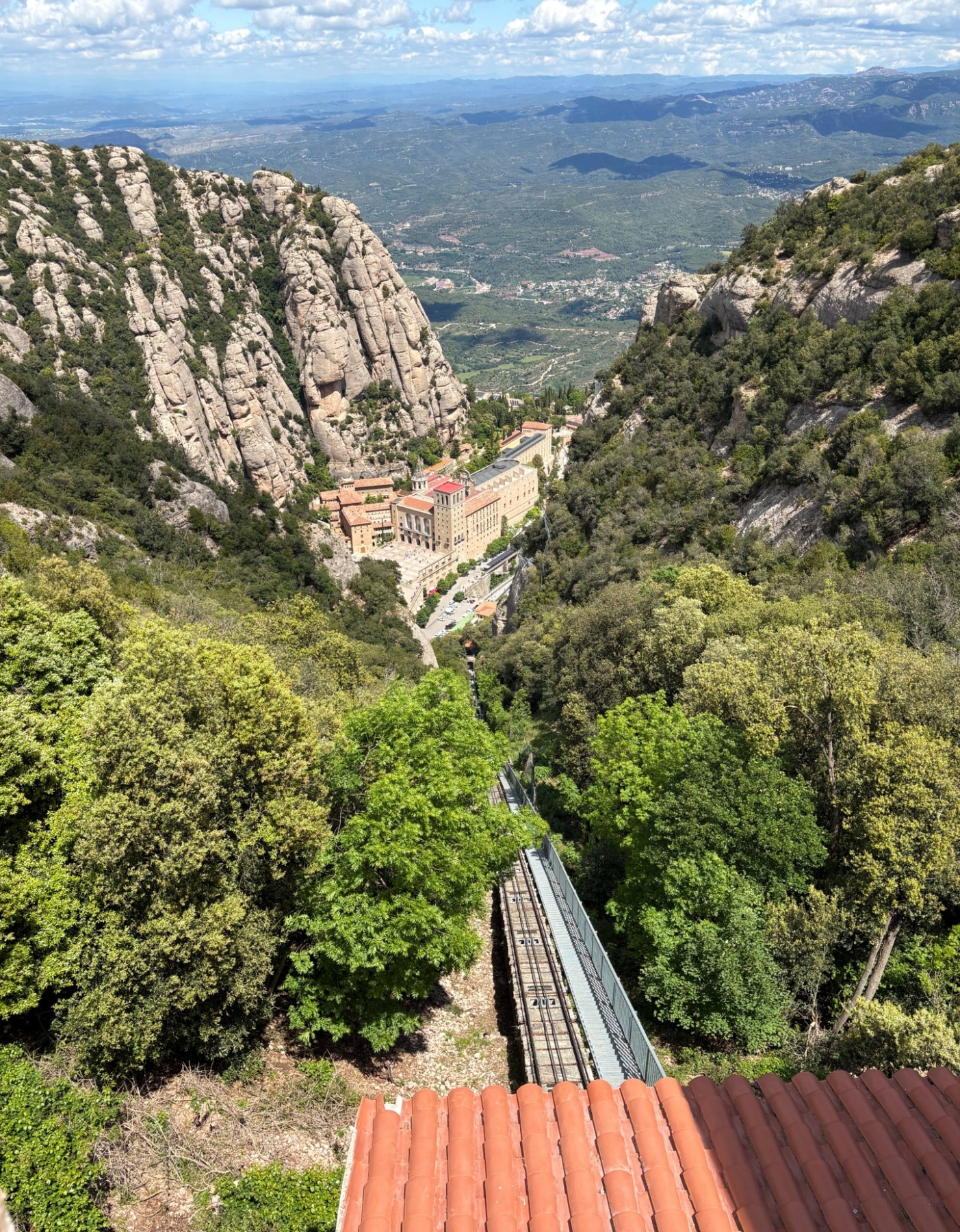
The photo above is after taking the Sant Joan funicular train, a zipper railway that runs up a steep hill. You’re welcome to hike up if you like, but I think most people take advantage.
The photo at the top was from the hill that we hiked up. In each, You can see the monastery and nearby buildings, including a prodigiously stocked art museum, at the base.
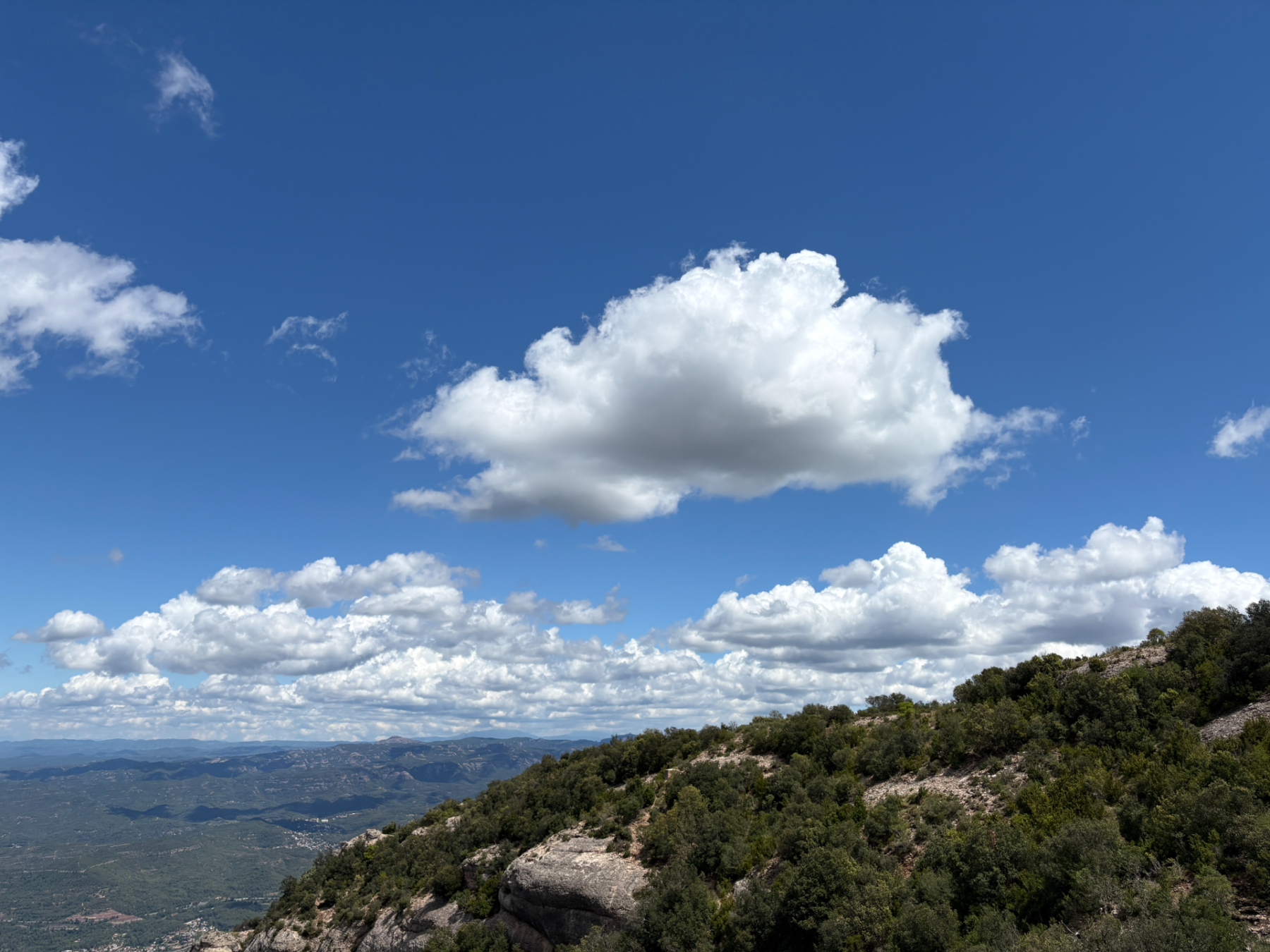
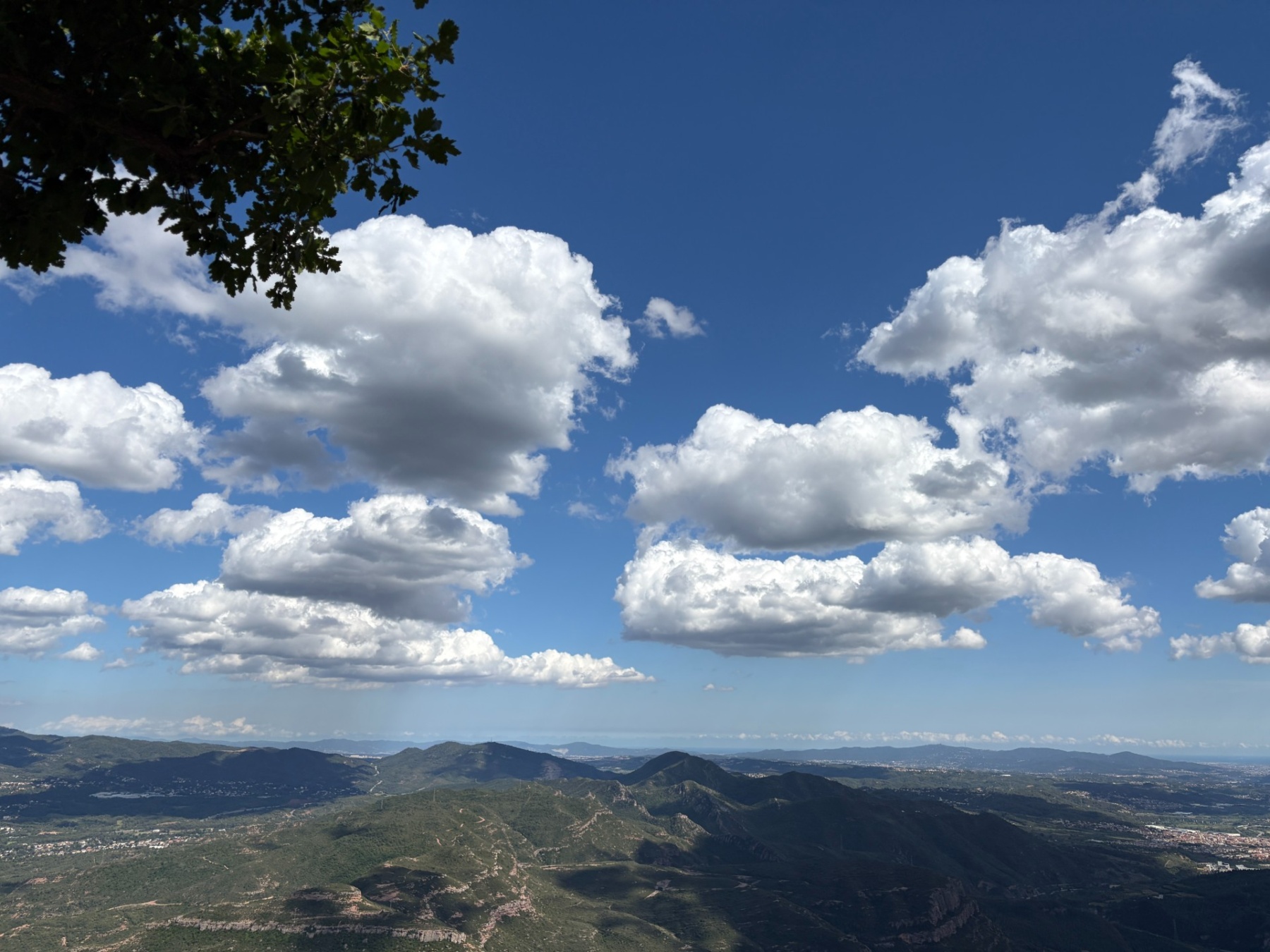
The day we went happened to be sunny, and the clouds in the sky were rich and plump … some looked fluffy, others looked like great dollops of shaving cream. Martha had been to Montserrat before, and knew that the weather there can also make the views dramatic. I imagine the mood would have been quite different under steady rain.
In Barcelona, we’ve learned that wayfinding often comes down to two visual cues: toward the sea, or toward the mountains. Montserrat, which is about 50 km or so outside the city, offers on a bright day unimpeded views, and you can make out the ocean as you gaze over all the hills.
We put aside a full day for the excursion: that’s because the bus we booked leaves at 5 p.m. That left ample time to amble about.
We left a lot of things unseen during this visit, including a fair bit of the monastery itself.
We instead concentrated on the museum, which has an impressive collection of art, much of it Catalan.
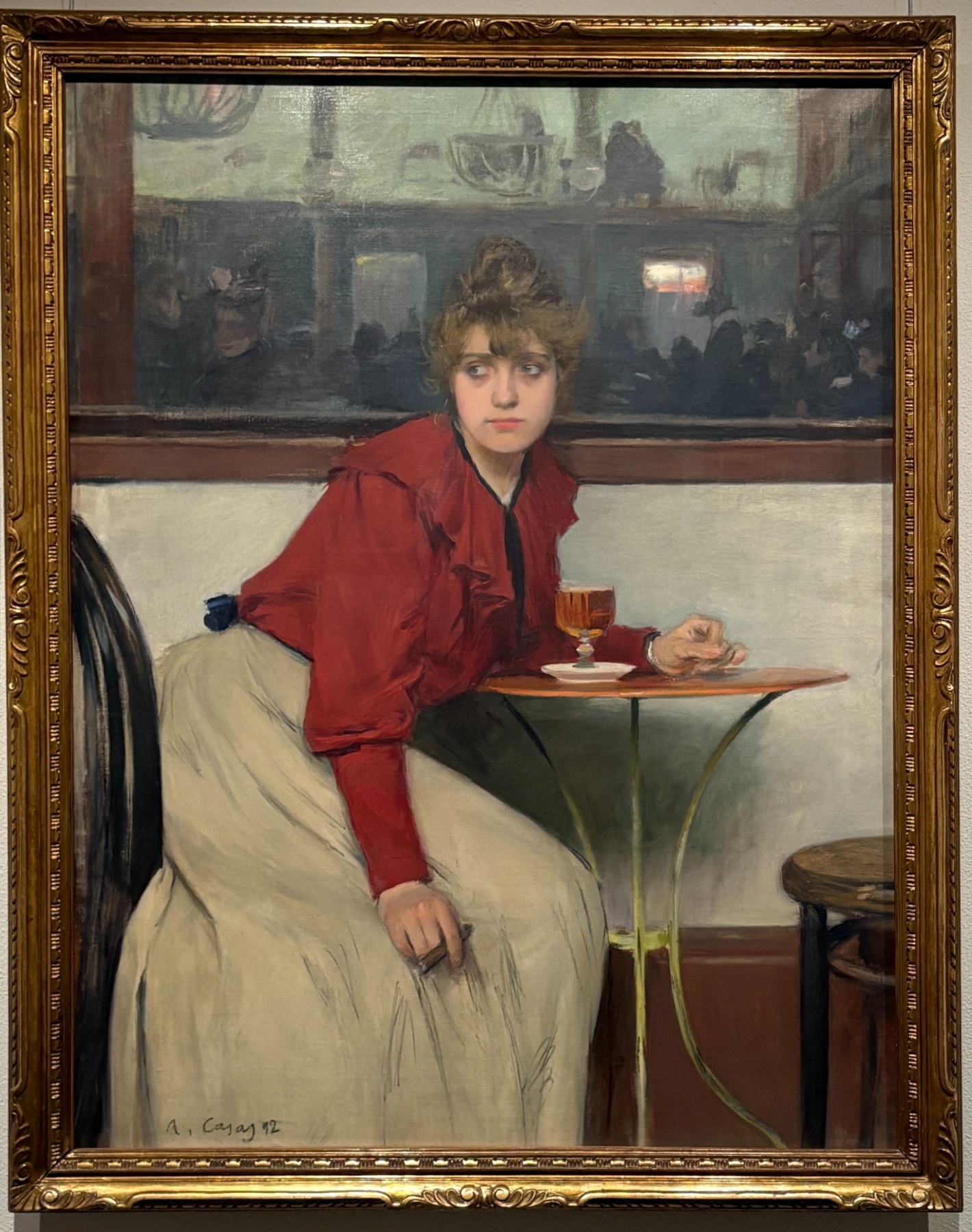
Ramon Casas’s Madeleine — featuring a young woman seated alone a tavern table, nursing a glass of absinthe with one hand and a cigar in the other, the world reflected in a mirror — is recognized as a masterpiece of the late 19th century, and it seems to be a symbol of Catalan feistiness, even if it depicts a Parisian scene. The young woman’s face is everywhere in the adjoining gift shops in Montserrat, adorning key chains, mugs, notebooks and many other things.
A few steps inside the museum tells you there are heavy hitters in the museum: Salvador Dalí, Joan Miró, Pablo Picasso .. they’re all there. Picasso was not Catalan but lived in Barcelona during some formative years, and among his work on display is a portrait of a fisherman done when he was just 13. The range also includes holy work (not surprising, as there’s a basilica around the corner) and some modern paintings and sculptures, too.
What I’ll remember most about Montserrat, though, are the vistas: endless skies, clouds, mountains that seem to be ever-reaching upward, even when you realize erosion has been ever so gradually whittling them away.
I hope to come back again some time to while away an afternoon.
We set out for Spain on a Monday and got there on a Tuesday; an overnight flight from Montreal will do that. It was early in the breakfast hour in Barcelona when we arrived, and with the time difference, it’s likely that people we knew back in St. John’s might still have been up.
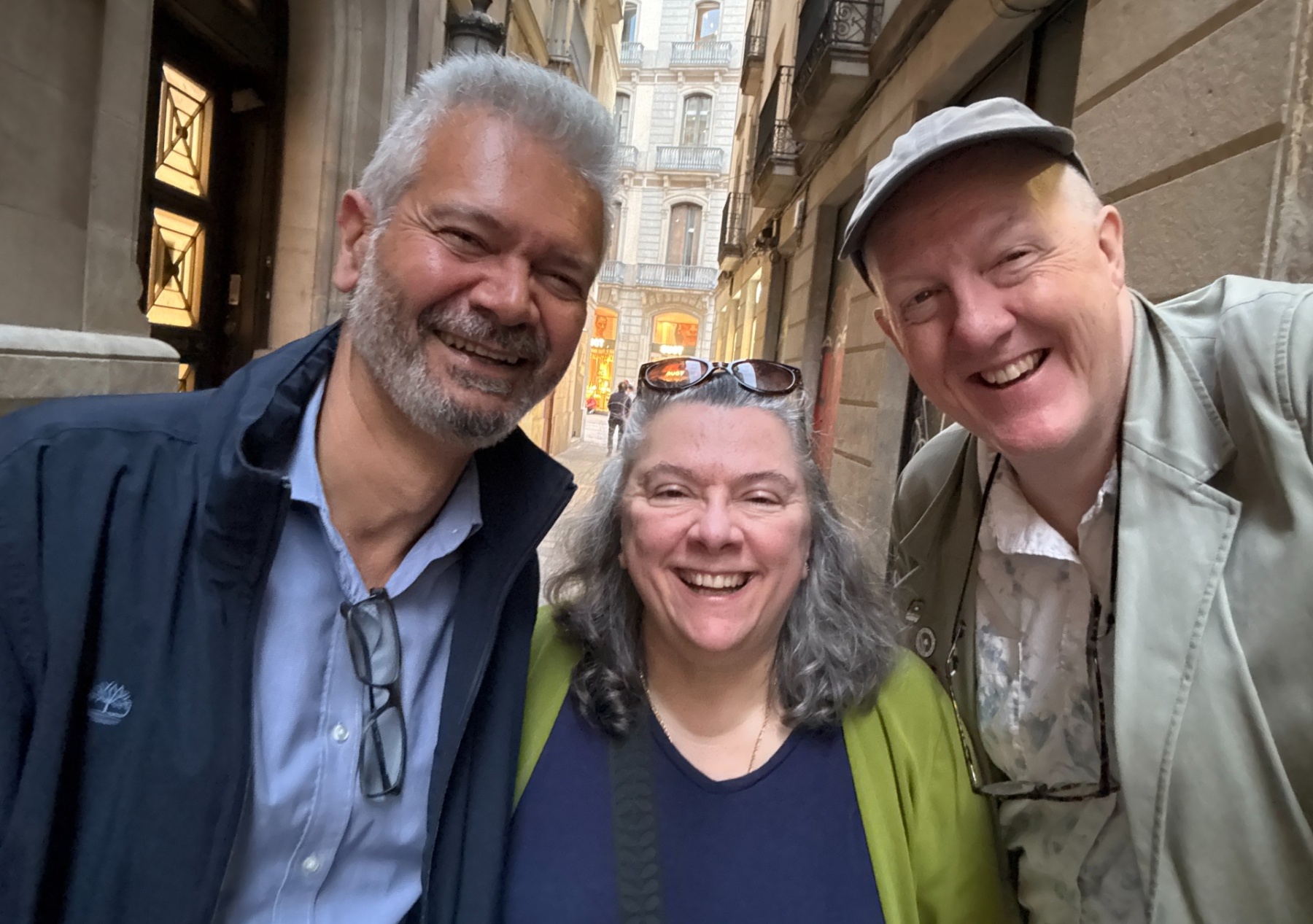
Martha and I are staying in Barcelona for a few days with her cousin Hari. We’re on a vacation that we had planned for 2024 that we had no choice but to cancel when a series of family emergencies began to pile up.
Anyway. Here we are, with a Spain-only itinerary, and a different sort of agenda. I haven’t been back in eight years, and this time we’re improvising a little bit more, leaning into a couple of booked items and otherwise floating around this amazing city, and then a week in Madrid.
After a power nap (and still feeling some jet lag) we set out for a walk with Hari to a local park in Putxet, the neighbourhood where he lives. In the warm evening, we set out downtown for a stroll and for some things to eat and drink. Hari has been living in Barcelona now for some years, and we’ll always trust his advice.
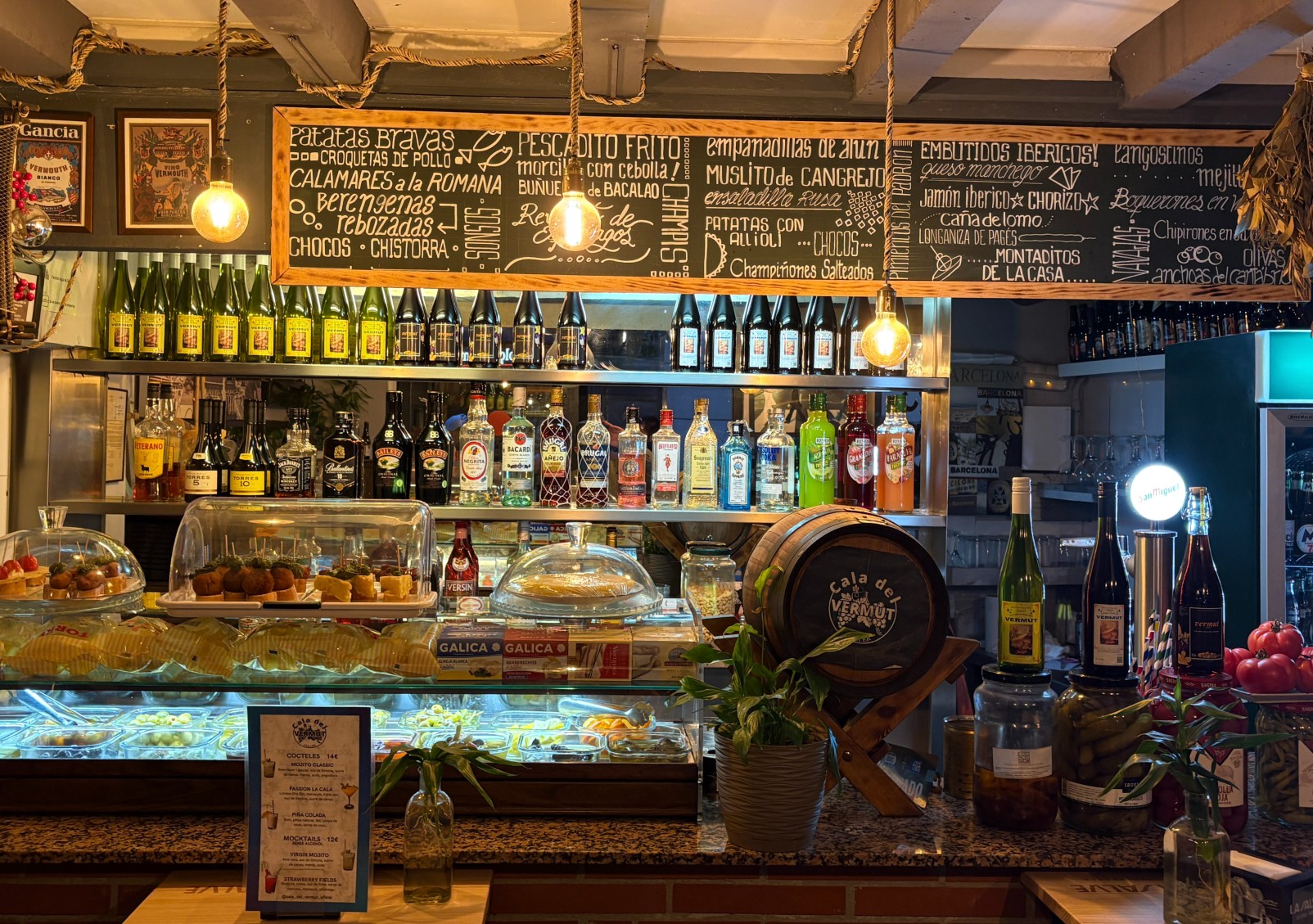
On Tuesday night, he had us over a barrel, somewhat literally. There was enough room in this tiny place for three to congregate over a barrel, and we started ordering dishes.
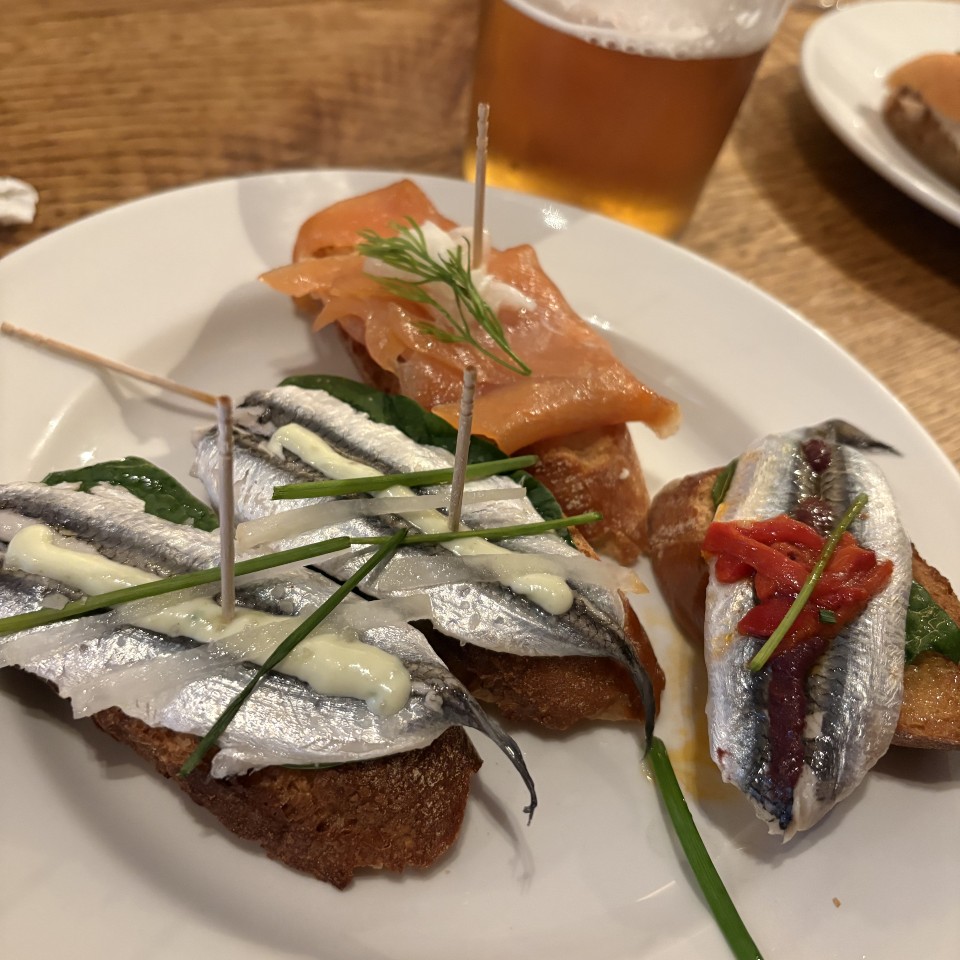
Pintxos — small servings, often served with a tiny stick and on bread — are part of the small-plates wonders that are tapas. Martha will always seek out boquerones, these small fish, on every trip. Allegy-laden me avoids all of that, but I had plenty of choice, including an adorable black pudding. I wish I had taken a picture of it, but I inhaled it before the thought occurred to me.
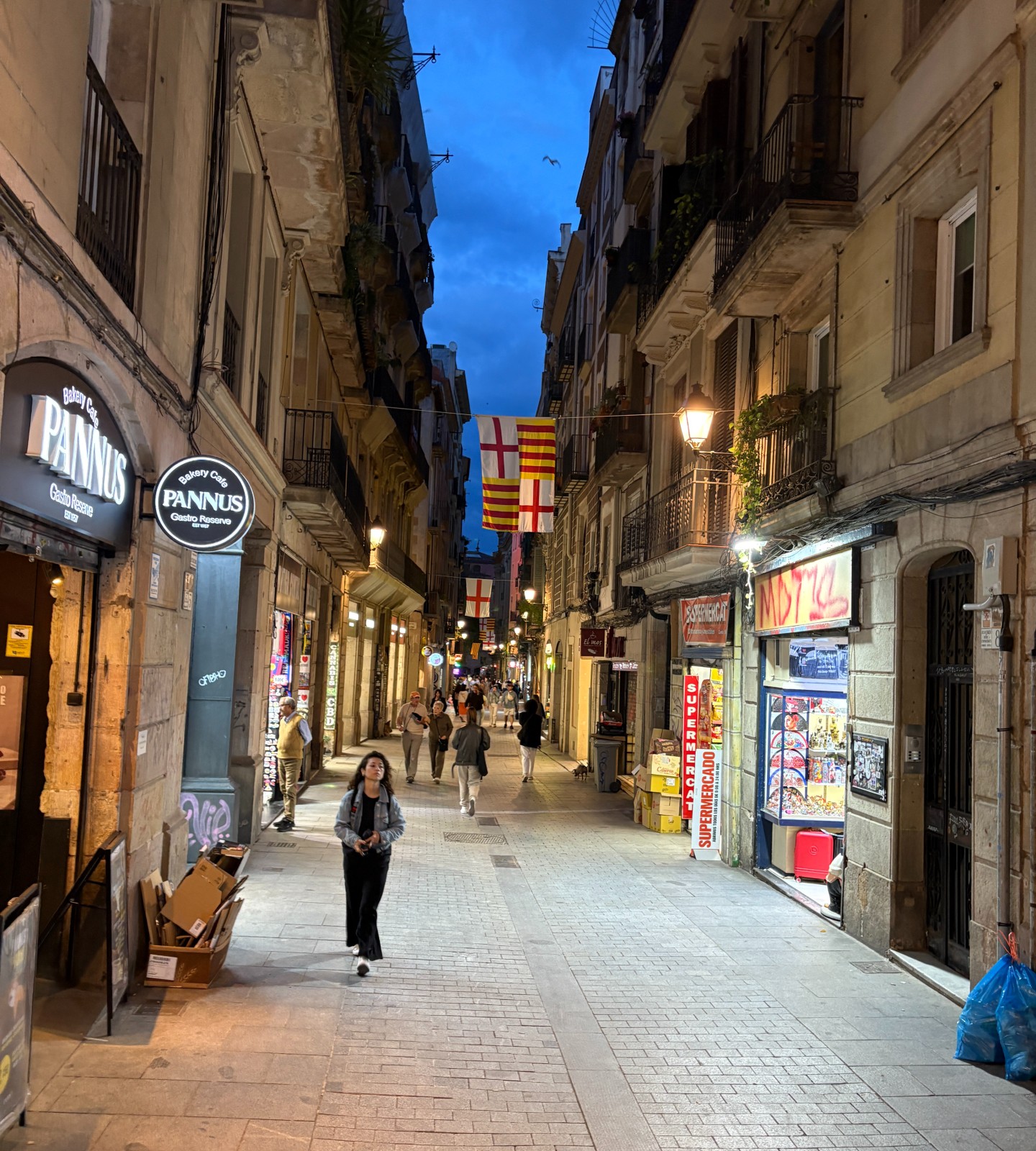
The restaurant was in the Gothic Quarter, a very old and very touristy part of Barcelona. It’s fun to stroll around at dusk, though, and the place had legitimately good food. The staff would float around with hot dishes, while colder fare could be plucked from the glass serving counter. When the time comes to pay, all of the wooden sticks are counted and a total is punched in.
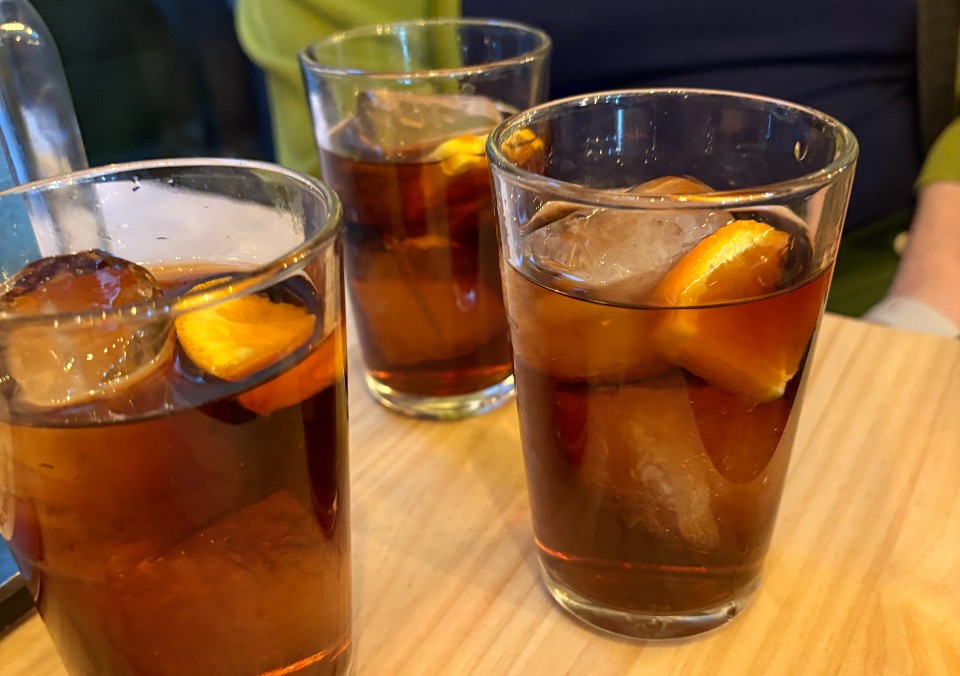
Then it was time to seek out some vermouth, or vermut as you’ll see it. Barcelona has a great tradition of knocking back some vermut — the sweet a.k.a. red type, not the dry clear vermouth that people barely put in their martinis — on ice with citrus. Hari guided us through the alleys for some minutes before we got to one of his favourites: a bar big enough to seat us and maybe a handful more.
While vermouth is spelled differently in Spain, it’s also pronounced differently, too. Saying “bear moo” will work just fine, I learned! (In Spanish, there’s not much difference in pronunciation between a V and a B.)
The drinks were … perfect. Even with the jet lag, they went down easily, and we found ourselves chatting as the dusk gave way to darkness.
We ambled back to the metro, scooted home to Hari’s apartment and fell fast asleep.
Many things — including many more small plates — await.