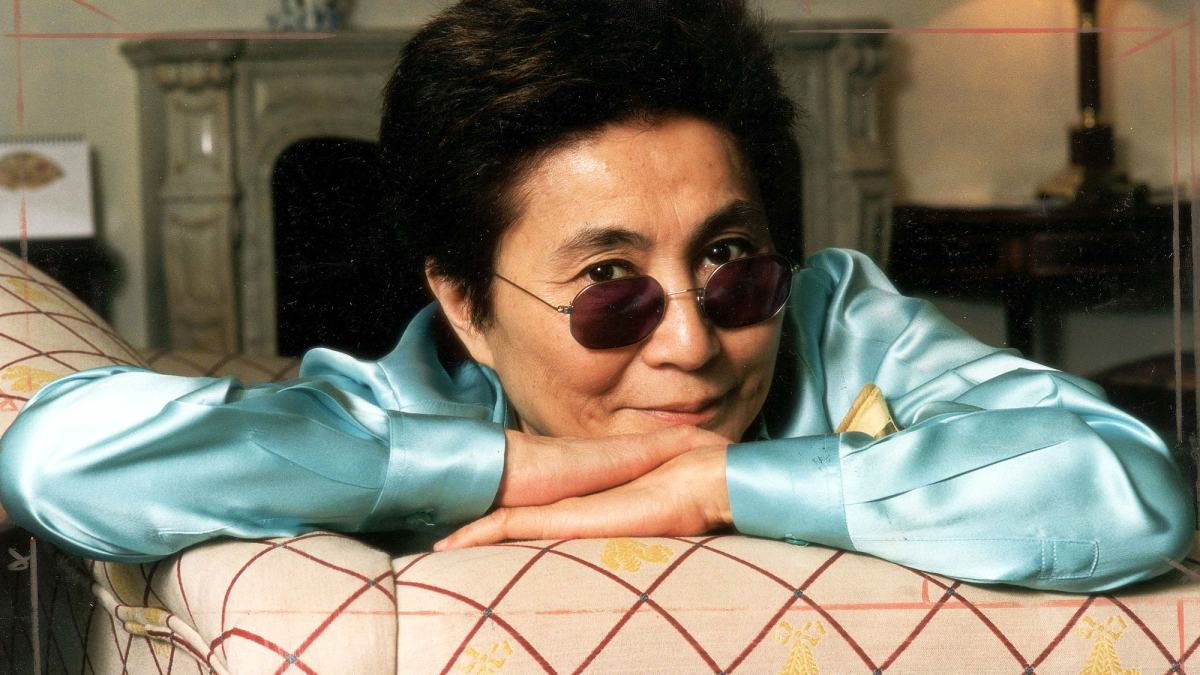
“There are two kinds of people in the world: bath people and shower people.” — Yoko Ono
We’re in the midst of preparations for — finally! — replacing the little bathroom attached to our bedroom. The shower hasn’t been used now for years and years; we’ve been trekking instead to the main bathroom around the corner, which we upgraded last fall.
Now it’s the turn to get this project, a can that we’ve kicked down the road for years upon years, completed. We’ve been looking at fixtures, putting tiles against one another, getting nitpicky about the details.
I revisited this quote from Yoko Ono (cited here in a BBC compilation in 2002) because it’s kind of amusing: another way to group people together.
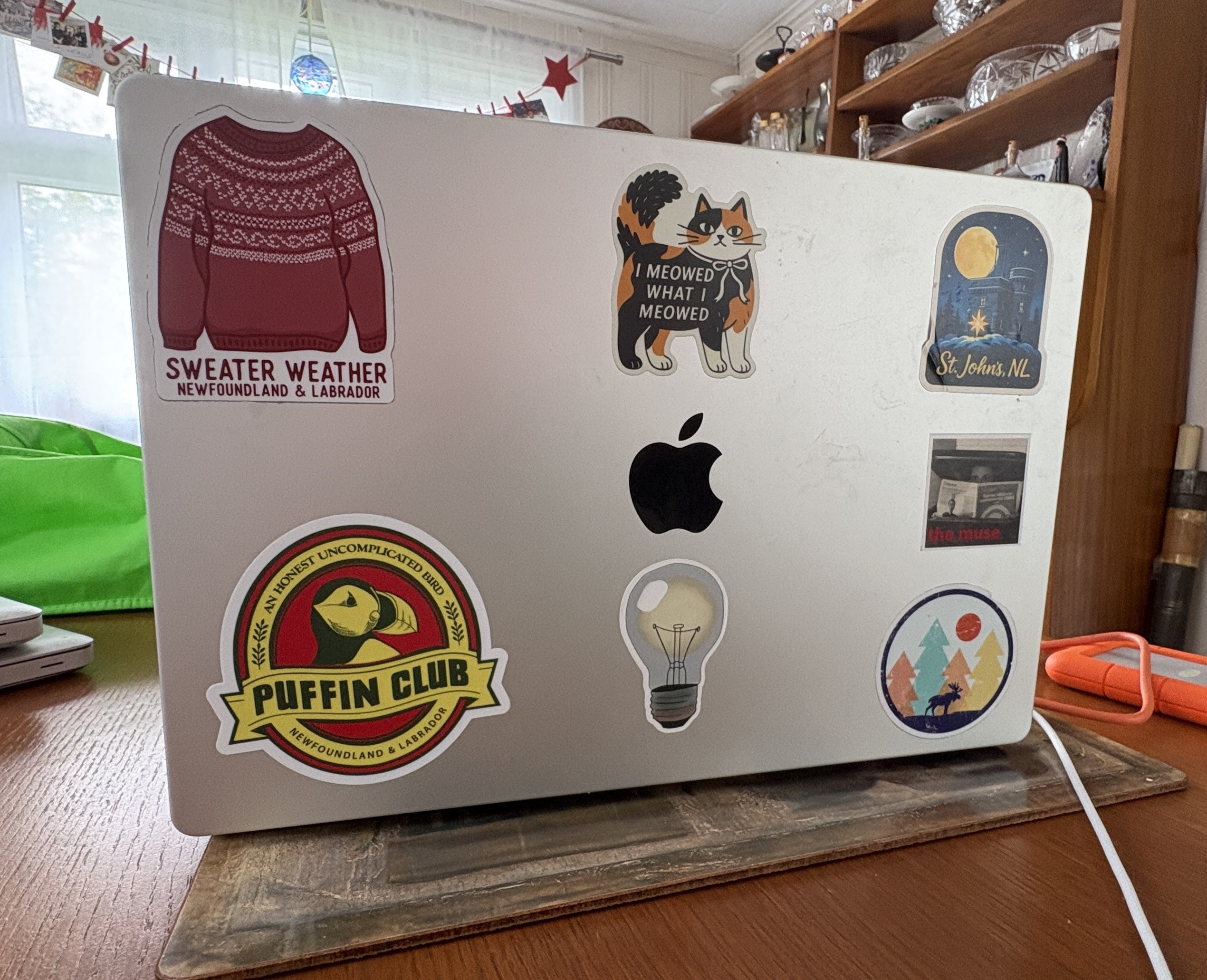
“Once you get to naming your laptop, you know that you’re really having a deep relationship with it.” — Cory Doctorow
The Toronto-born author and blogger Cory Doctorow wrote these words in his novel Little Brother.
I know some people who have given personal names to inanimate objects, like a car. When I was little, we called my mother’s Datsun “Bridget,” in honour of her mom. I’m not really sure how that came to happen, but the name stuck for a good stretch of my childhood.
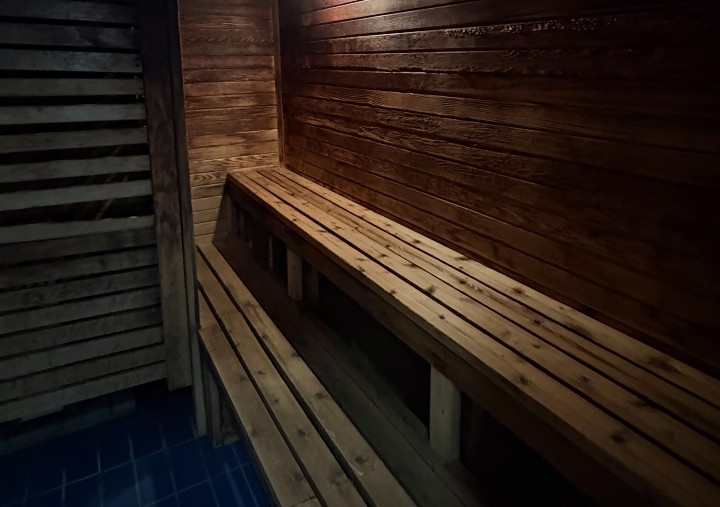
It’s become one of my happy places. After a workout at the local Y, I pull into the sauna in the changing room, and just unwind for 10 or 15 minutes … if I can last the heat.
There are tremendous benefits for a sit (and not too long) in a sauna. One of the best-studied involves cardiovascular health, and we can think Finnish researchers for this; they’ve been studying it for decades, and have demonstrated that using a sauna at least four times a week can result in less heart-related disease and death.
The landmark research was published in 2015 (in JAMA, the Journal of the American Medical Association), and involved a cohort of Finnish men (women were not part of this study) whose baselines were taken in the 1980s. You can read the research here.
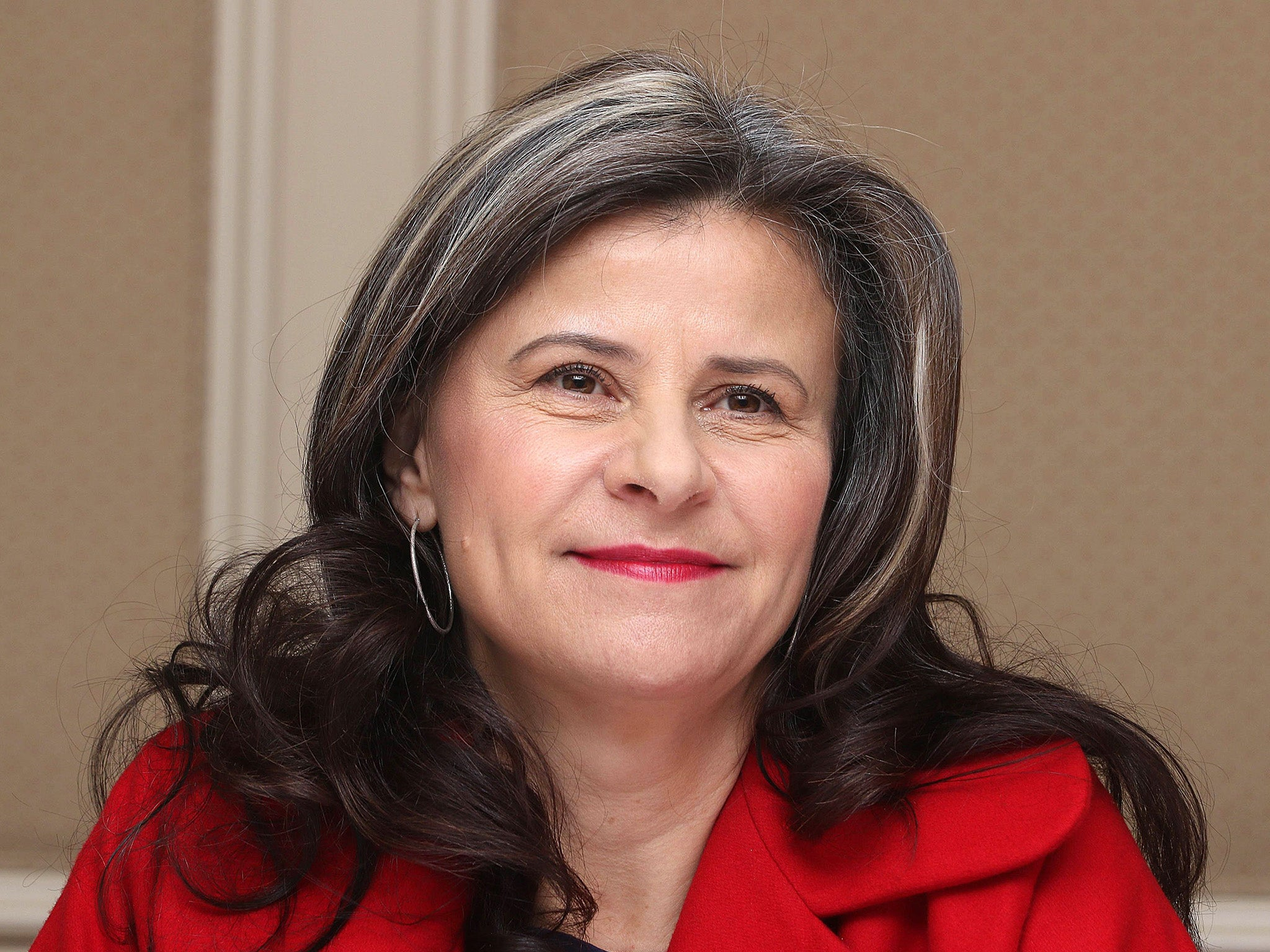
“The most remarkable thing about my mother is that for 30 years she served nothing but leftovers. The original meal was never found.” — Tracey Ullman
The British comedian Tracey Ullman’s insight into home dynamics (if not economics) came up in an interview in May 1999 with London’s Observer newspaper. It feels like something out of her sketches. I searched online to find the original interview, but could not access it. [I have to admit I was curious because the quote has appeared in collections attributed elsewhere, including to Calvin Trillin.]
Leftovers can get a bad reputation — the phrase itself is suspicious — but I am a fan of them. In fact, a big part of my approach to meal preparation has long been predicated on there being enough to leave over for at least one other meal.
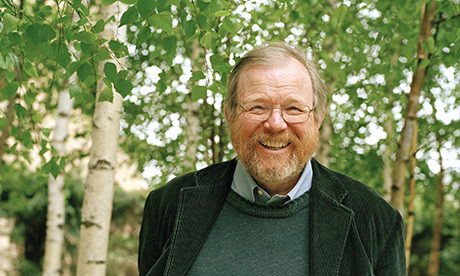
I spent some lovely time this month with Bill Bryson’s wonderful One Summer: America, 1927. Bryson finished the book 13 years ago, and I read it just a year before the centennial of the period he so richly describes.
Bryson had a different thought in mind when he set out on the project: to write a dual biography of Charles Lindbergh and Babe Ruth, who both made history in 1927. Lindbergh, who came out of nowhere in the race to fly from New York to Paris with what people assumed was a suicide mission, hated celebrity and fame. Ruth, who hit 60 home runs that summer, loved the attention.
But as Bryson dug into the book, he realized there was something else worth writing about: that single summer was filled with other narratives, events and characters. It was an era of enormous social change.
August is flying by, and summer will sooner or later be a memory. Don’t let the season go by without doing something that fits the height of the season.
That could mean a bit more barbecue than is healthy, a ridiculous looking drink, and on the television, something silly yet satisfying.
My vote for that last one goes to Ride or Die, a buddy series that matches Octavia Spencer with Hannah Waddingham, as unlikely friends in London. The catch is that Waddingham is an assassin for an unnamed secret service, and Spencer — an antique hunter who buried her law career (!) to marry a bland yet ambitious British politician (!!) — has no clue.
“Hope is a gift. You can’t choose to have it. To believe and yet to have no hope is to thirst beside a fountain.” — Ann-Marie MacDonald
Fall on Your Knees, the novel from which today’s quote comes, surely changed Ann-Marie MacDonald’s life. It was a bestseller upon its release in 1996, and her decades-spanning story about a Cape Breton family seemed to be on everyone’s coffee table or shelves for years to come.
The book, as I recall, dives deeply into faith, and its place in a world that was rapidly changing.
This quote is so deeply connected to Materia and her daughters, to religion and their experiences, but it does seem to stand apart from it all. It’s also a fine example of MacDonald’s diction and her insights. I find it such an exquisite way of describing the yearning of a human soul.
I’ve been collecting quotes from books, interviews, speeches, etc., since reviving my blog in January. You can read all of them here.
“The best revenge is to live on and prove yourself.” — Eddie Vedder
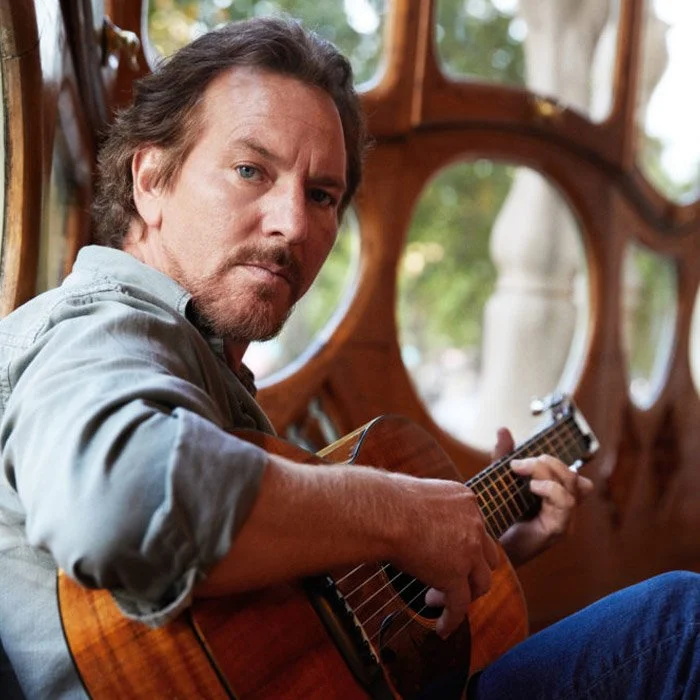
Something of a voice for Gen X kids like myself, Pearl Jam singer Eddie Vedder’s quote above has been dished up around the internet for many years. It seems to age as well as Vedder himself has, from the stringy kid with the baritone growl to the greying sage with a predilection for acoustic guitars and heartbreak.
The full context of the quote — spoken while Vedder was appearing with bandmate Jeff Ament on the syndicated call-in show Rockline in October 1993 — is worth noting.
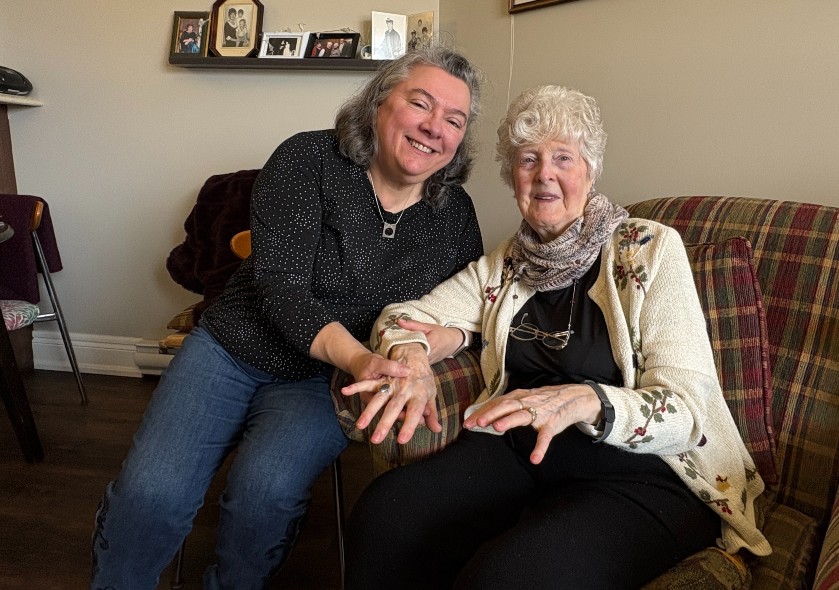
A Saturday manicure is just the thing to kick off our weekend. My mother, Sheila Gushue, loves the sensory experience.
Most Saturday mornings, we head over to Mom’s for a visit, with a purpose. This is the time when Martha, my wife, gives my mother, Sheila Gushue, a manicure complete with polish.
It’s relaxed, it’s focused, it’s a spa moment. We put on some quiet music, and Martha buffs and polishes Mom’s nails. She loves it, extending her hands and relaxing in a lovely sensory experience.
It’s a nice moment each week for Martha, too. She lost her beloved mom in 2023, and finds this weekly ritual a way to feel daughterly, as it were, by doing something kind for the mom figure in her life.
A bunch of us gathered at the venerable Georgetown Pub in St. John’s Friday for a karaoke night. Our friends Jessica and Brock have been wrapping up a visit, and a bunch of former newsroom colleagues (and a couple of retirees, including me) packed into the place.
It was a popular night, with at least one bachelorette do in progress. In no time there was a lineup outside to get in!
And, yes, I did sing. Or “sing.” I really can’t carry a tune, but there’s something about karaoke that brings out the ham in me.
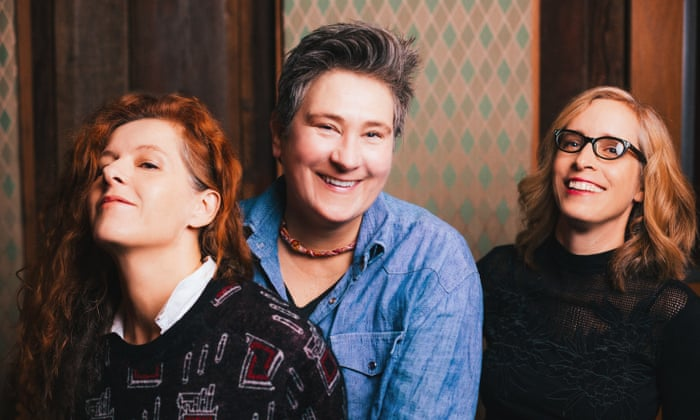
Ten summers ago, case/lang/veirs was released — a one-off collaboration between the singers Neko Case, k.d. lang and Laura Veirs. It’s worthy, and it all happened fairly quickly.
To mark the occasion, the trio and Anti Records have released a 10th anniversary edition with the lang-front Accidental Tattoo, as well as some live recordings.
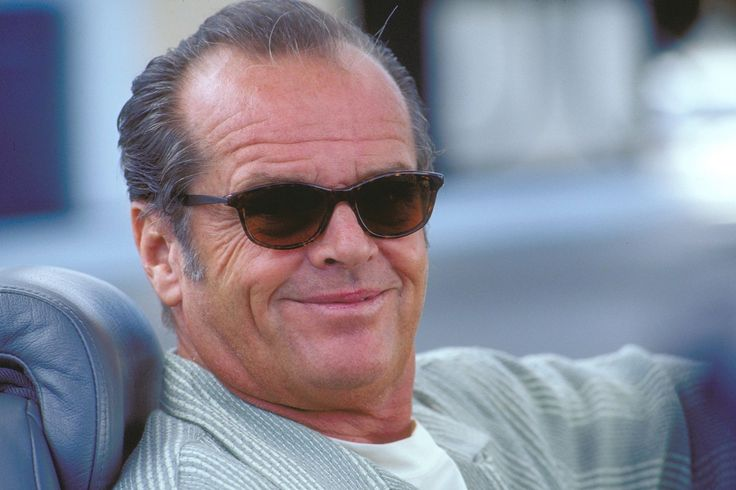
“Our generation are the new old. I remember what someone of 60 looked like when I was a kid. They didn’t look like me.” — Jack Nicholson, in 1998
Aging bites, and we all look at it — and ourselves, in the mirror and otherwise — differently as the years pass.
The actor Jack Nicholson made this comment to the Telegraph of London in 1998, a year after he turned 60, and not long after he appeared in his Oscar-winning role as a grouchy, neurotic novelist in As Good As It Gets.
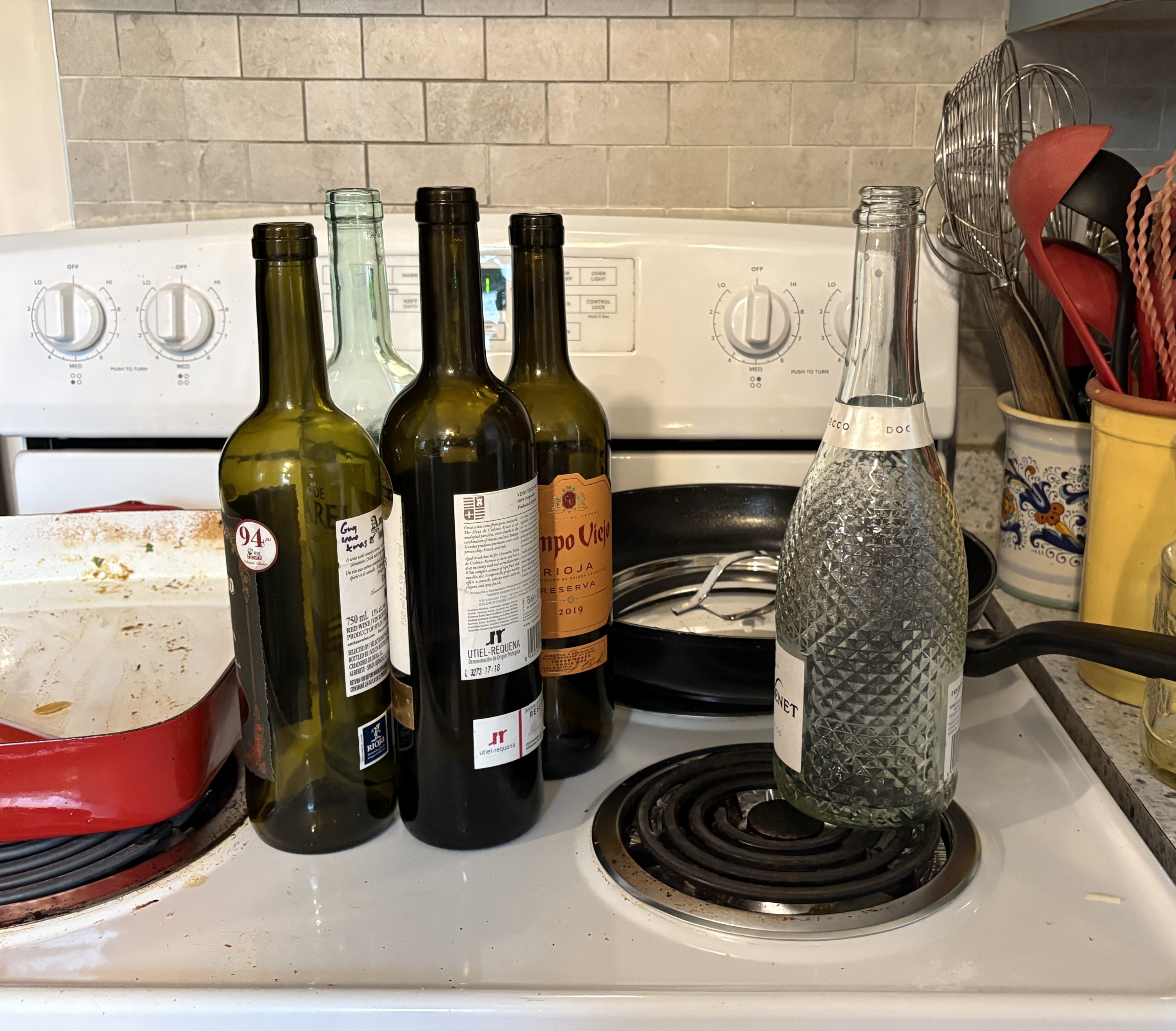
We had some friends over for dinner last night, and it was lovely: six of us in all, dozens of stories, too many laughs to count.
Jessica and Brock were back in St. John’s for a visit, not too long after they moved to Ontario. Darrell and Matthew had had a late night celebrating the latter’s birthday (with decorations that truly were next level.)
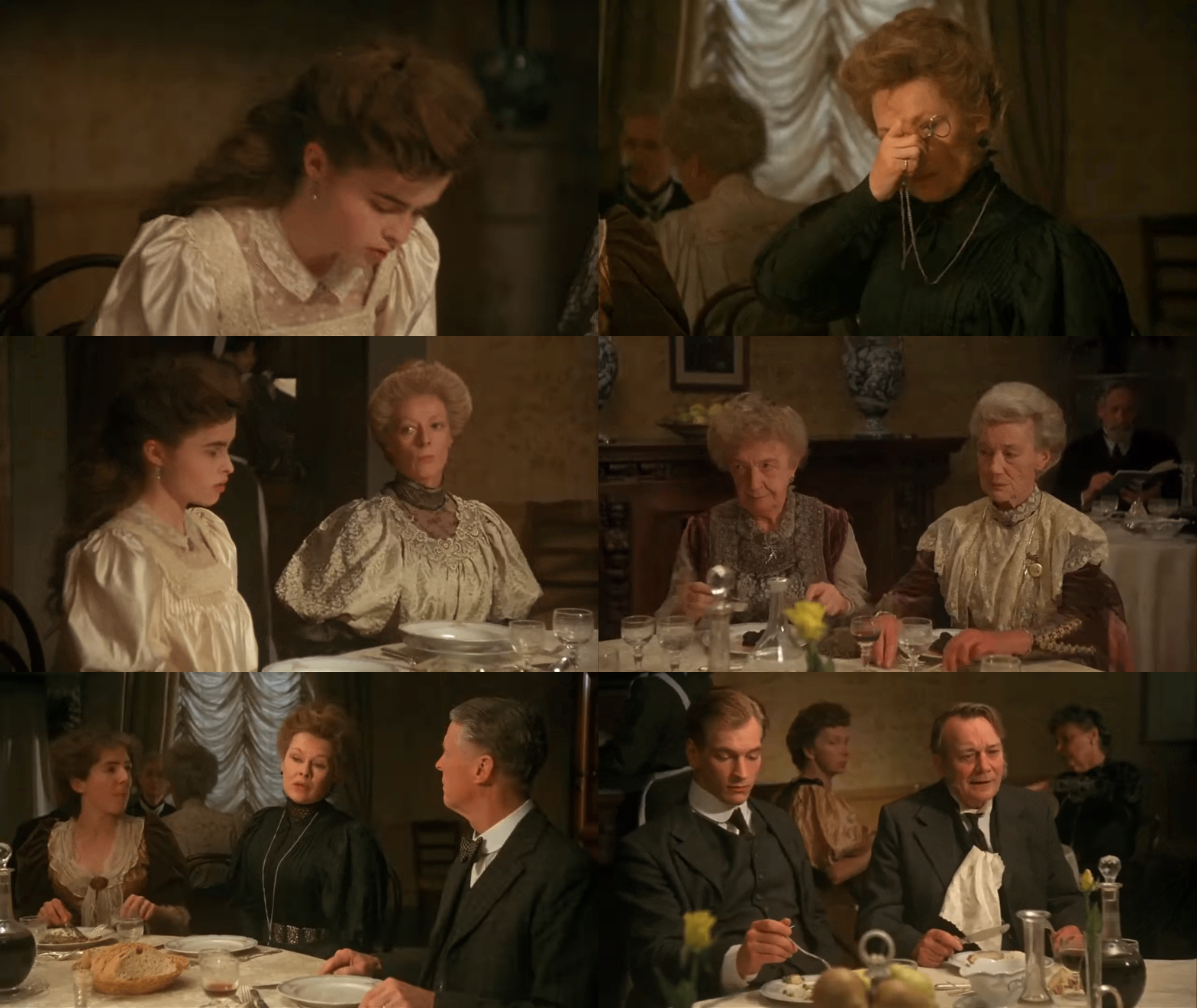
Some nights ago, when there was still a bit of heat in the air and golden light outside, Martha and I sat down to watch A Room with a View.
I’d hesitate to count the number of times we’ve watched it, but it would be a fair bet we’ve probably watched it more years than not since we’ve been together.
We first saw it in the spring of 1986. We had only been together some months at that point, and looking back, we were young and very much in love. A Room with a View fit the bill for a date, not just as a movie but also as a book; the English novelist Zadie Smith calls E.M. Forster’s slim, enchanting story as “a young person’s novel; I think to have its largest effect, it’s best to read it as a teenager or a young person.”
“But to target Canada? I wouldn’t personally poke the eye of my best friend. Diplomacy doesn’t have to become insulting. Negotiations are only cranky if you make them cranky.” — Robert Restaino
Robert Restaino is the mayor of Niagara Falls — not the city in southern Ontario, but the significantly smaller American city across the mist.
In an interview with Maclean’s, Restaino explains why he is like other border mayors who have been going on a charm offensive to win back favour with Canadians who have been offended by Donald Trump’s insults and tariffs.