You’re not supposed to have a special auntie, but we all do, I think.
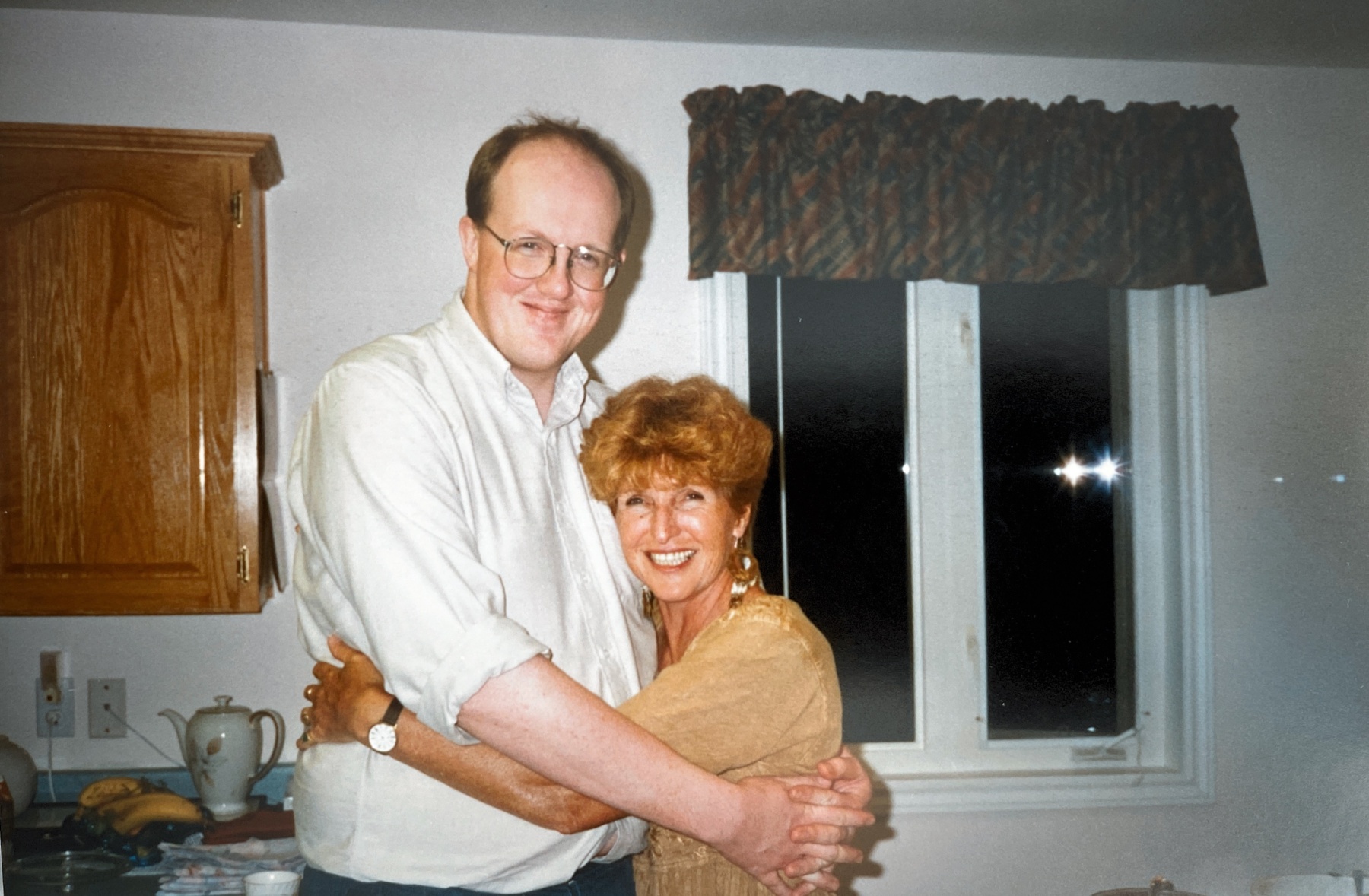
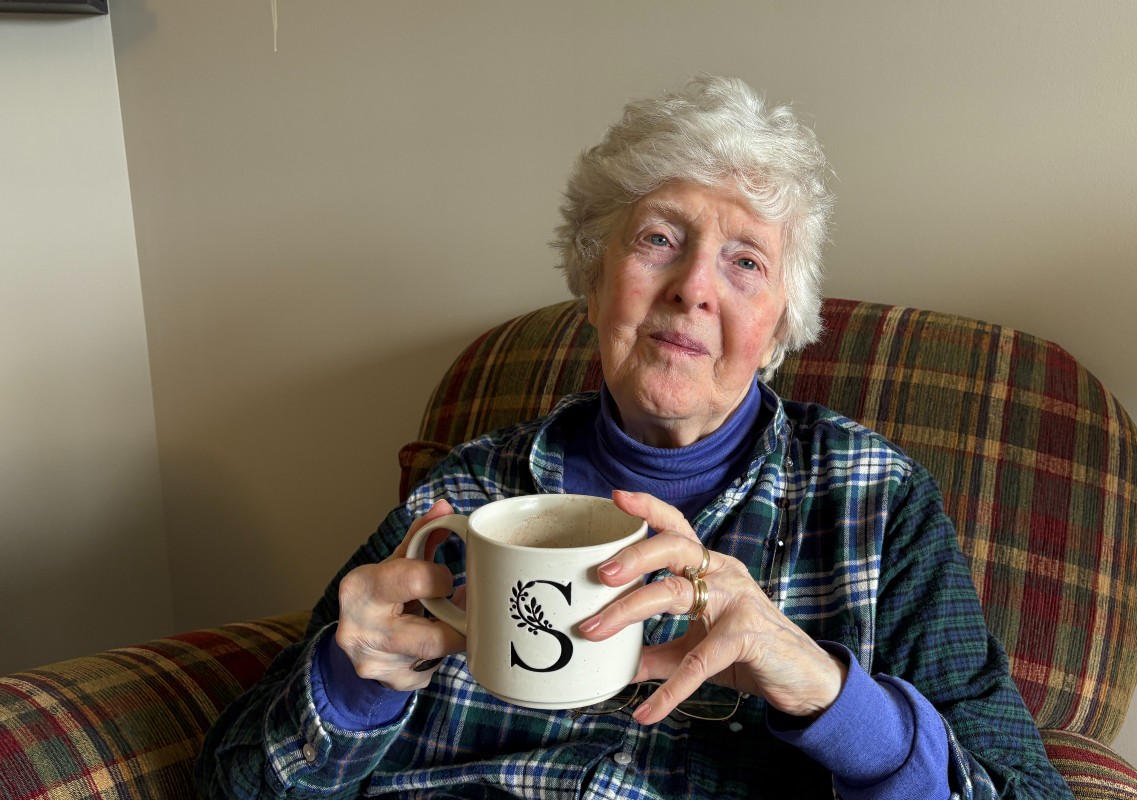
I was fortunate to grow up with plenty of aunts and uncles, and wonderful family connections, but Trish Cogswell was the one with whom I had an extraordinary relationship, all through my life.
We said goodbye to her last week, and I’ve been reflecting on a remarkable series of memories … and how lucky I was to have Trish in my life, at its many stages.
On Wednesday, Martha and I stopped for a pint and caught the final stretch of the England-Congo match at the World Cup. Congo was leading 1-0, and then — boom. Harry Kane scored not one but two goals, assuring England another chance at World Cup glory.
World Cup aspirations are of course a national obsession in England.
Indeed, they have a whole song about it, and that tune is now exactly as old as the drought it was rousing England to end.
“I believe the climax of our troubles will be reached within the next few days, (after which the day of peace will quickly draw near), though they will undoubtedly bring trouble to many. Jim and I are in the best of health and spirits, and I trust we may remain so. … This will be my last letter for a short while.” — Owen Steele
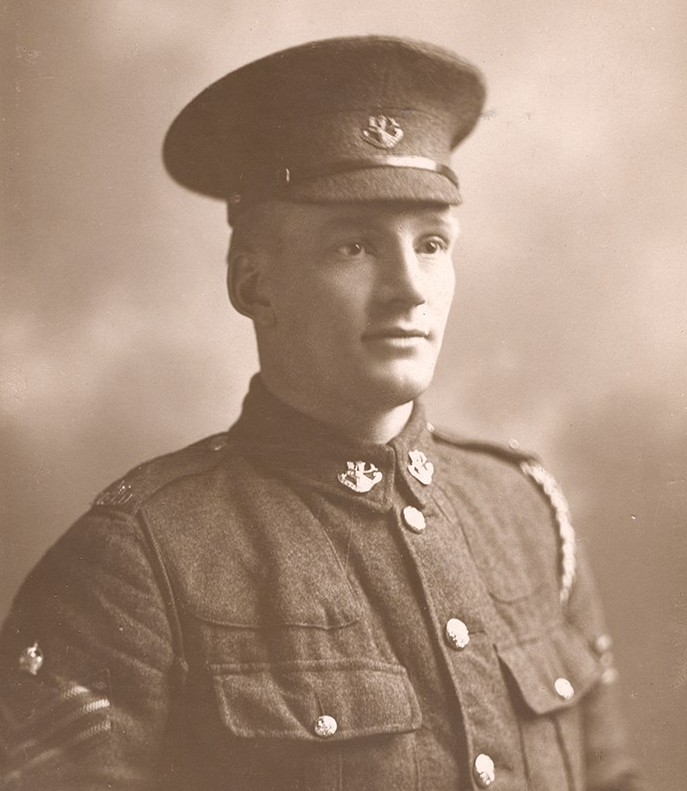
Lt. Owen William Steele’s last letter home was composed June 30, 1916, the day before a day that changed the world — and everything he knew back in his island home of Newfoundland.
The Battle of the Somme started on July 1, and was one of the bloodiest days in modern warfare. Here in Newfoundland, to this day, July 1 is Memorial Day: a commemoration of the Battle of Beaumont-Hamel, which had a devastating effect on the Newfoundland Regiment.
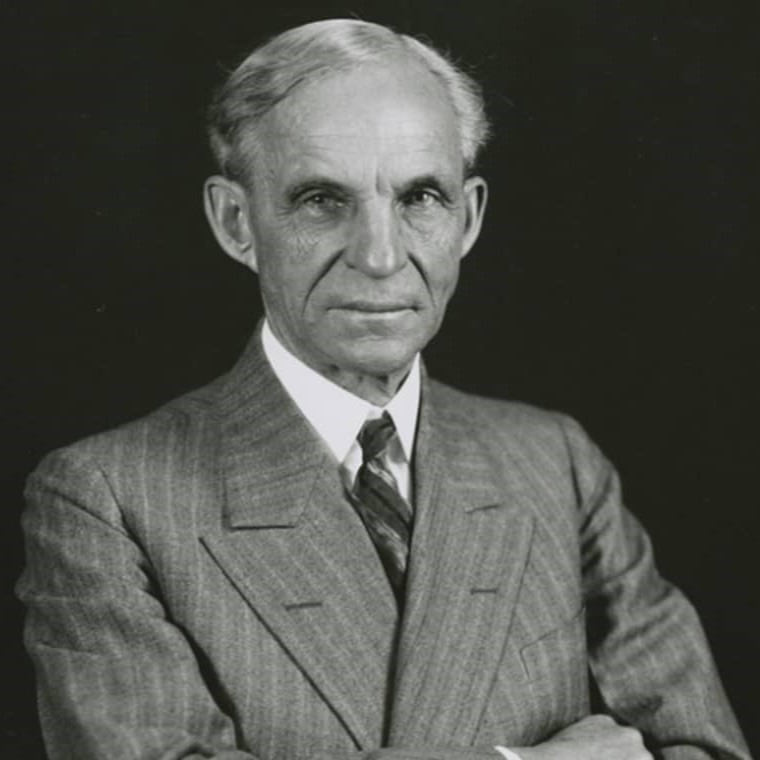
“A bore is a fellow who opens his mouth and puts his feats in it.” — Henry Ford
Henry Ford’s well-known observation has a decent pun in it, as well as a sharp insight into human nature: people get very tired, very quickly, when someone drones on about their accomplishments, or can’t help but boast on every occasion.
My mobile phone rang, and my mom’s name was on the screen. It was almost a couple of hours after she went to bed, so I quickly prepared myself for whatever prompted her to call.
“Kevin? This is Sheila,” she said. “I’m so sorry. I forgot to come to the airport to pick you up.”
I had a split second to react.
In that moment, I became Kevin — that is, her beloved older brother, who died in the winter of 2025, and who lived most of his years in Massachusetts.
One of the peculiarities of journalism is hewing to a phrase that is the right usage, yet does not appear to be grammatically correct.
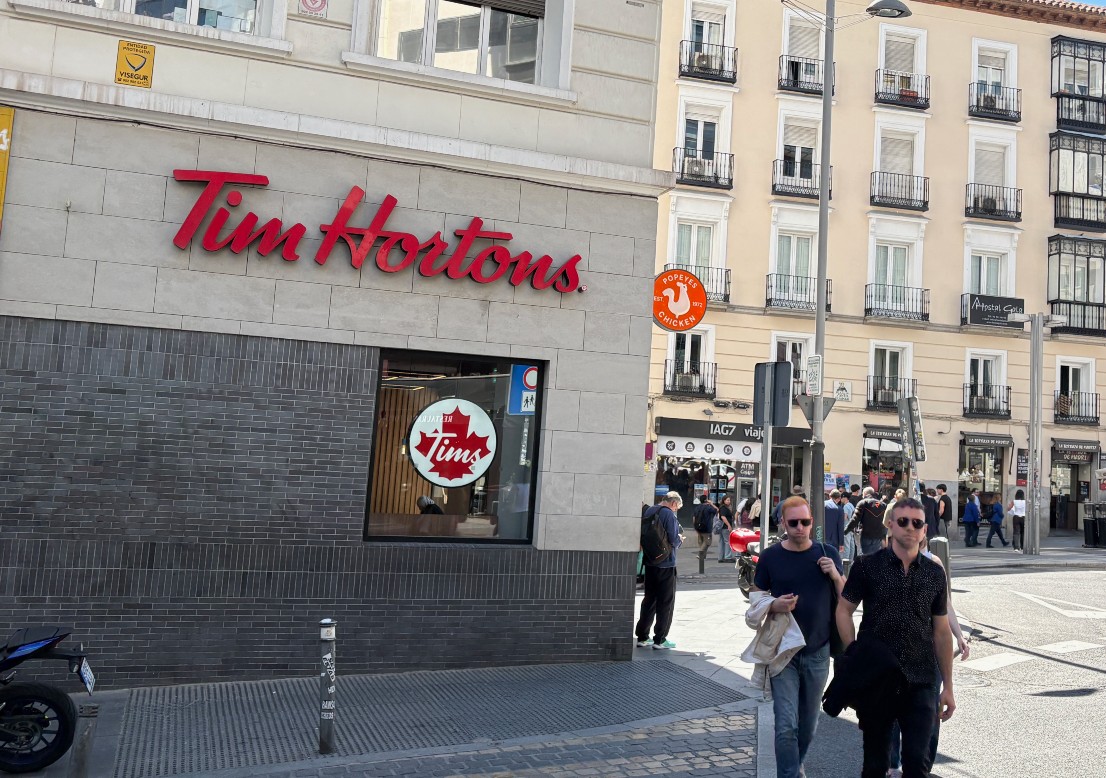
An example is the Tim Hortons coffee chain, and another is the Sobeys supermarket chain. What’s missing in each case is some punctuation. The former is named after Tim Horton (and there was only one of him), while the latter is from a family name that is Sobey, not Sobeys.
All this to say … there probably ought to be an apostrophe before or even after the S, but there isn’t. Once in a while, we would get well-meaning audience requests to make a correction.
I love libraries. I wish the libraries in St. John’s were like cathedrals, that there were more of them, that they were better located and that they had better resources for public use and service.
A boy can dream.
I love going to the library too, especially when I’m not in a hurry and have some time to let both my feet and my mind wander. That’s when discovery happens … finding something you didn’t know you wanted to read, and perhaps something that you need to read.
As much I enjoy the physical space of a library, most of the books I borrow now are virtual, or rather taken out electronically.
“I began to understand that self-esteem isn’t everything; it’s just that there’s nothing without it.” — Gloria Steinem
Self-esteem has been on my mind a bit lately, for a variety of reasons. One thing that has become clear is that the sense we have of ourselves is quite malleable — and it can be hurt, often dramatically, by what others say and do. Another thing: self-esteem can be remade, and the accent there should be on the self.
Gloria Steinem wrote the above words in her 1992 book Revolution from Within, whose subtitle — A Book of Self-Esteem — sets the table for what she would explore.
While focusing on self-esteem may feel like centering the individual experience (and moving into self-help areas), Steinem was also interested in political change. It makes sense: for women or other groups on the margins to gain power, it starts with recognizing and celebrating self-esteem.
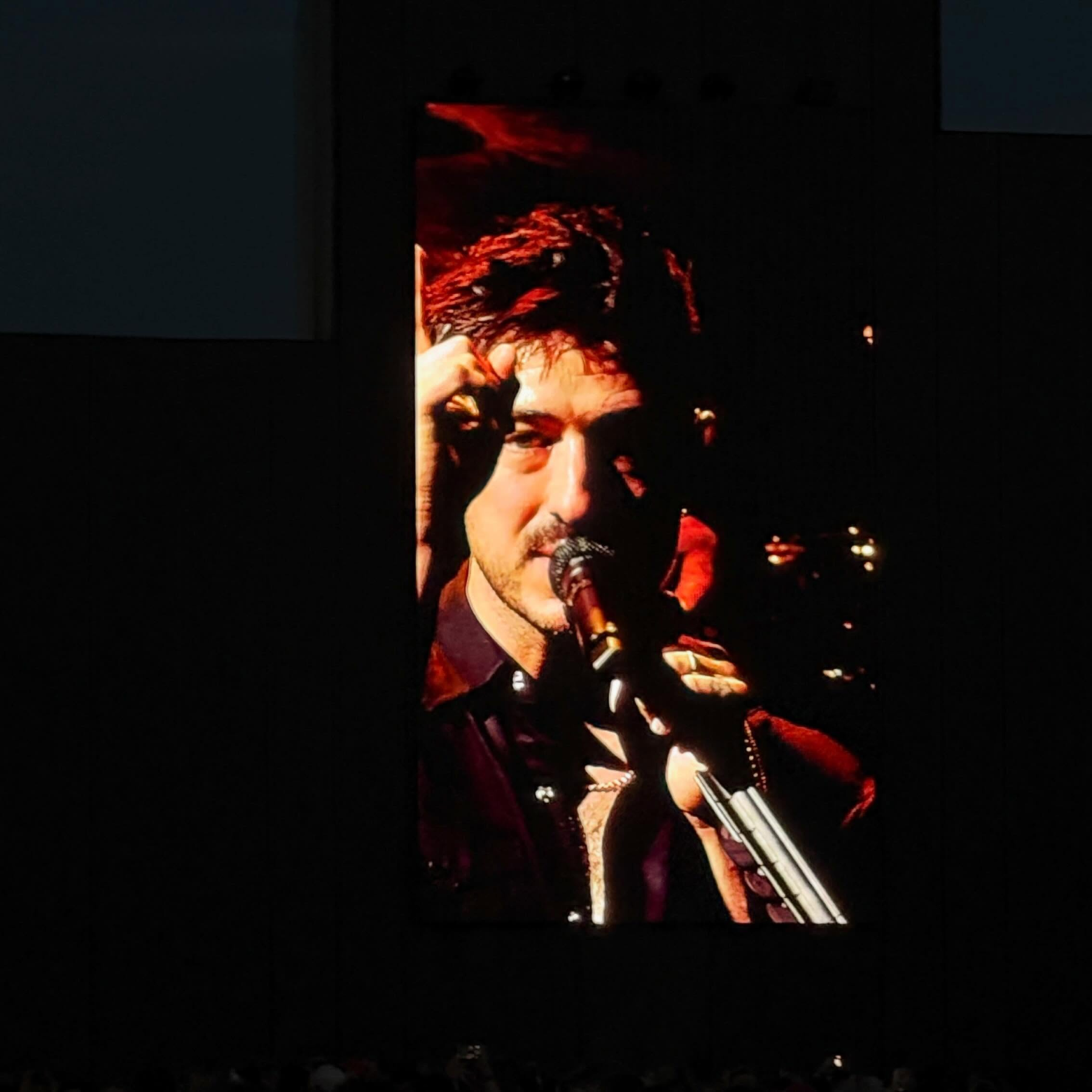
Marcus Mumford is projected on one of a series of large screens at Rogers Stadium.
Last Saturday, I went to see Mumford and Sons in Toronto. It was a great show (some notes follow below), and I also learned that there is a big difference between Rogers Centre and Rogers Stadium.
If you’re like me, you may not have known that Toronto, yep, has such a thing as Rogers Stadium. It is very much not (despite what a quick Google Maps search told me) Rogers Centre, a.k.a. the old SkyDome.
I bought the tickets weeks ago, and evidently did not notice the difference. So, when I walked down to the stadium early Saturday evening, I was struck by how … quiet everything was. Like, the place was nearly empty. And, as I found out, Mumford and Sons were not playing there at all.
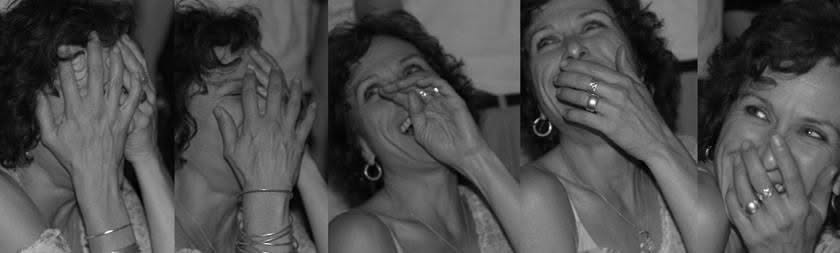
Wendi Smallwood died earlier this week after a long and (let’s be frank) brutal battle with cancer. She fought it with vigour, stamping on it, and often with humour. Her Facebook posts found the joy of life, even when it was under siege.
In the days since, my social media feed has been filled with anecdotes and tributes to a powerful, talented actor, and a creative soul who made an impact off the stage, too. We knew it was coming. Earlier this month, Wendi was too sick to attend her 64th birthday party at the Ship in downtown St. John’s, so the crowd called her on the phone and wished her a happy birthday. It was also a goodbye.
I have a lot of memories of Wendi through the years, and they often involve joy. Here’s one of them.
On my most recent appearance on a trivia episode of CBC Radio’s The Signal with Adam Walsh, I called back to a show that had a particularly cheesy quality.
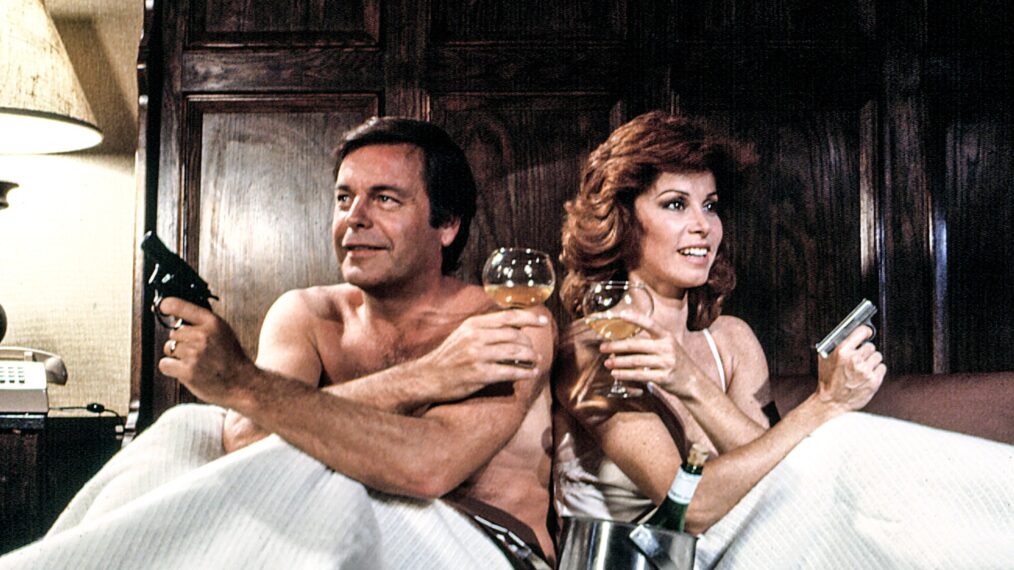
The actor Lionel Sander, playing Max, laid it on thick for the intro of Hart to Hart, which featured a catchphrase that has lasted well into the 21st century: “Because when they met, it was murder!”
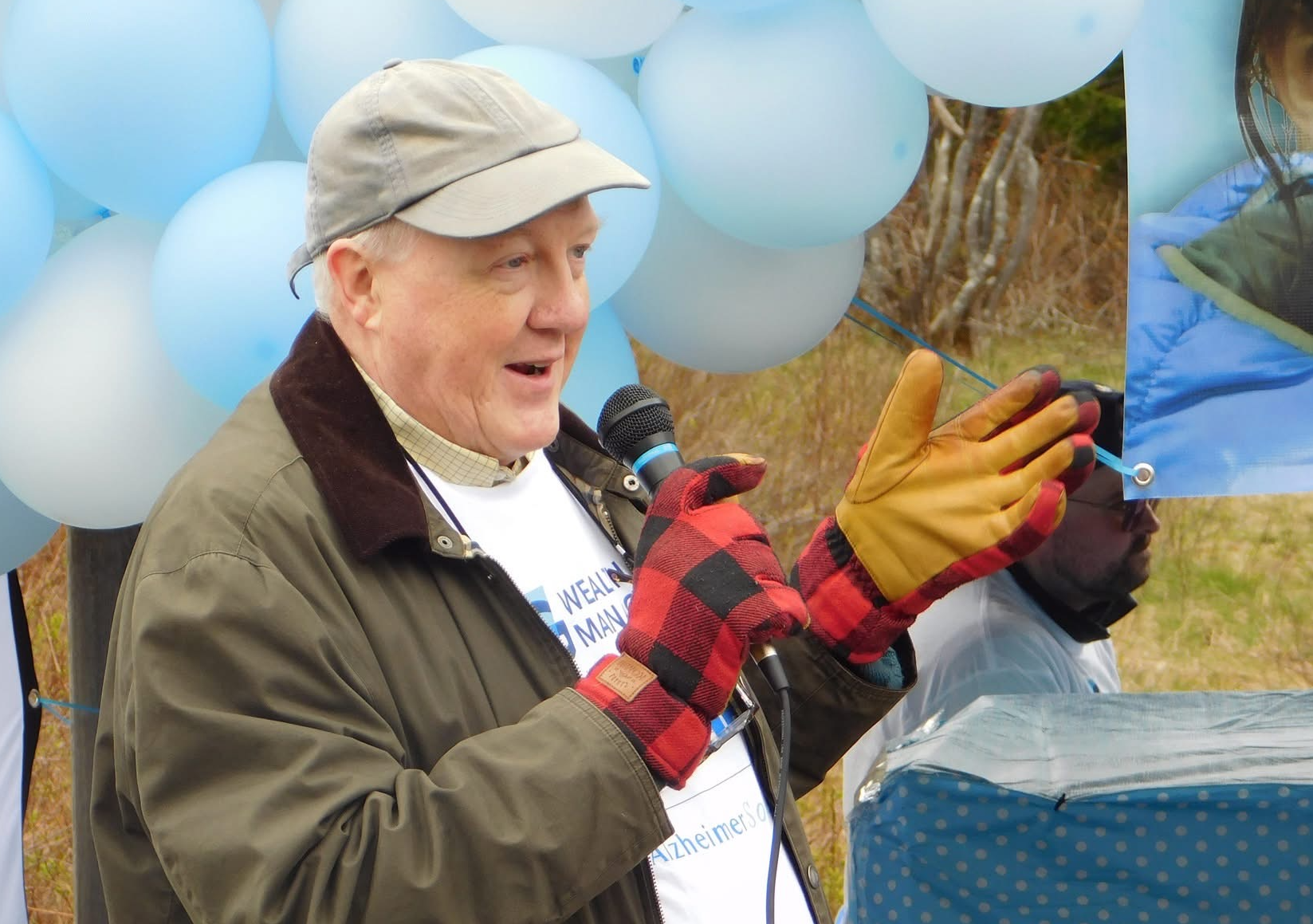
There are many songs that came out of the British invasion, but there’s one — a veritable anthem to this day for football fans in the United Kingdom — that often comes to mind when I think about Alzheimer’s disease.
Gerry and the Pacemakers released a cover of the Broadway tune You’ll Never Walk Alonein the fall of 1963, just as Merseybeat was cresting in England, and shortly before Beatlemania swept the U.S.
“I was a voracious reader, but you would be mistaken if you took that as evidence of my quality.” — Mordecai Richler
The phrase “voracious reader” can be a loaded one, often without meaning to be. It’s a phrase I’ve read many times in obituaries (a quality to describe how the deceased loved their books), and it’s probably a way I’ve described myself. “Avid reader” is more suitable, but I’ll cop to the V-word, too.
The quote above comes from Canadian novelist Mordecai Richler’s final novel, Barney’s Version, which focuses on an aging, cantankerous Montreal man (sound familiar?) who is turning his attention to his memoirs — even though his memory is failing him.
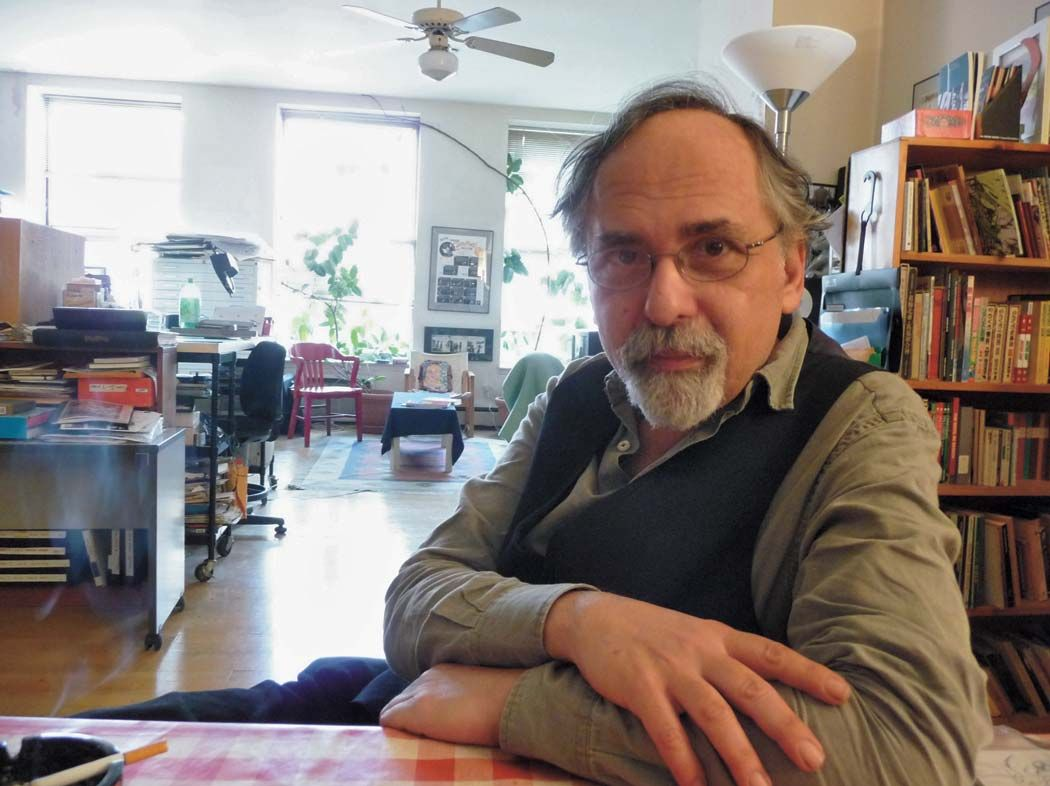
“I guess I don’t subscribe to the twee school. I remember trying to lose our copy of Thomas the Tank Engine before I had to read it again. Life is a more dimensional and interesting affair than vestigially Victorian notions of childhood. I was trying to make something substantial, something to be read and reread.” — Art Spiegelman
I get it, although I should note that both Thomas volumes and Spiegelman’s work, especially Maus and its siblings, were books that our kid Nick read, obviously at different points of their childhood. I can’t actually see a straight line there, all these years later, but Nick’s curiosity took them around a lot of shelves in libraries and bookstores.