Teddy Roosevelt’s advice on why it’s essential to critique presidents
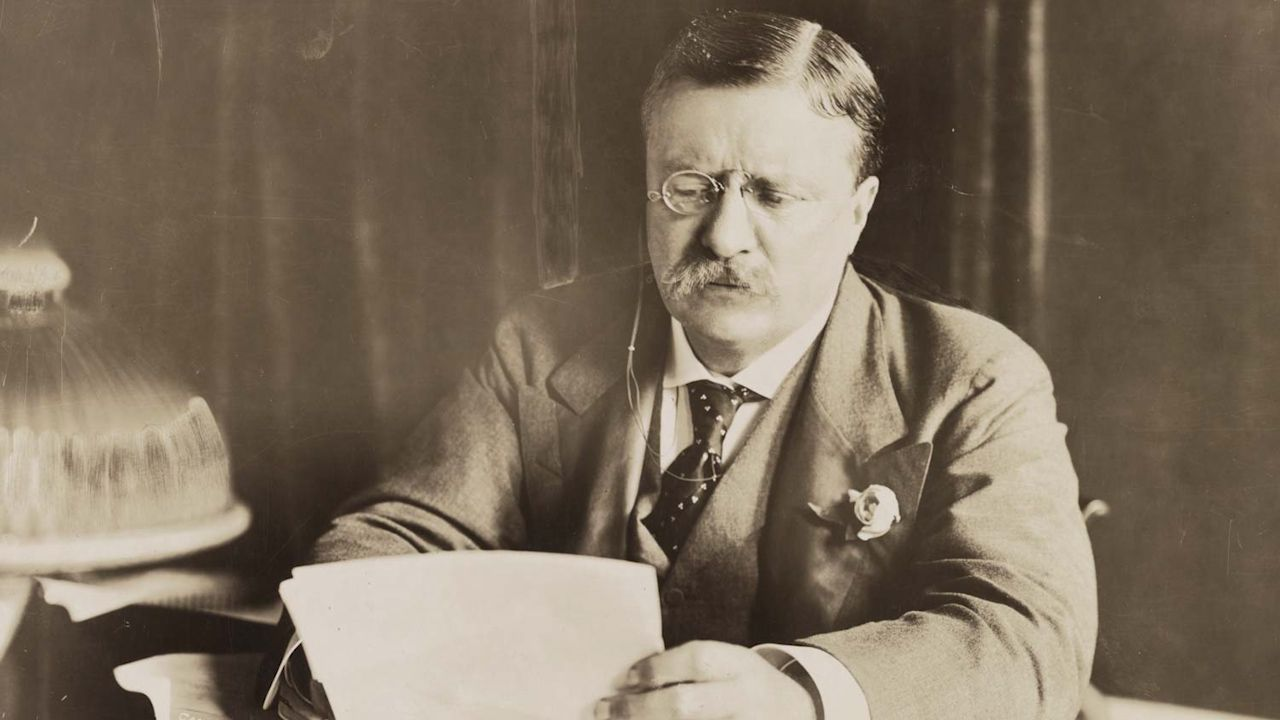
“To announce that there must be no criticism of the President, or that we are to stand by the President, right or wrong, is not only unpatriotic and servile, but is morally treasonable to the American public. Nothing but the truth should be spoken about him or any one else. But it is even more important to tell the truth, pleasant or unpleasant, about him than about any one else.”
— Theodore Roosevelt
On Sept. 18, U.S. President Donald Trump eliminated White House media access to three media organizations — CNN, MS NOW and Politico — because he was furious with what he saw in their coverage.
The decision, which evidently caught his own staff off guard (far from the first time that happened), triggered the latest crisis in media relations in the U.S. Even by Trump standards, this was a hard swing, with the president again pushing the envelope on journalists’ ability to do their jobs.
Something remarkable happened next. The remaining networks got out of the pool. That is, they pulled their resources from providing what’s called pool coverage — that is, they take turns providing shooting and/or reporting on the slew of daily events that happen in a typical news day. It’s a generations-old system that works quietly in the background of places like the White House.
Trump’s decision drew outrage anyways, but it was especially fascinating noticing how Trump reacted when deprived of TV coverage … his oxygen.
Six days after Trump’s decision, a judge ruled Trump had violated the Fifth Amendment rights of the three media organizations. Not that Trump learned his lesson: he kept CNN from boarding Air Force One.
Lawsuits from the media organizations are still proceeding, and we’ll learn more in the coming week or so on that front.
The quote above circulated in media circles right after the ban. Roosevelt made the observation in an editorial published in 1918, more than nine years after his own term in office ended. At the time, Roosevelt was specifically taking aim at Woodrow Wilson, the then-president, and legislation called the Sedition Act.
His insight, though, has travelled far beyond the hue and cry of that political crisis. It has felt particularly apt over the years, and not just in regards to American politics.
Politicians have often taken aim at the media when they have felt under siege. I have experienced this myself a number of times over the years, and have seen it countless times in local politics.
So much so, that I once related to friends how I interpreted the comments of a politician who was very much in the news at the time. When the politician said the coverage was “relentless,” I said more accurate phrasing would be “thorough” and “more than one story.” When the politician said the reporting was “biased,” I said the journalists had “accurately quoted other people.” When the complaint was that comments were “twisted,” I noted the story “accurately quoted precisely what you said.”
Yes, sometimes reporters are sloppy and messy, and sometimes they get stories wrong.
But what we are witnessing in Washington is another advance on a broad attack on journalism. There is every reason to believe that there are some current and potential leaders elsewhere that drew inspiration from Trump’s bold move.