News priorities and justice shamefully do not always align
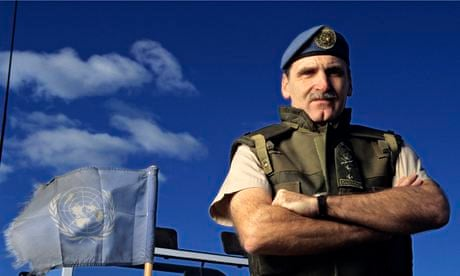
“I think that people in the field were magnificent. And they got the stories, and I put troops at risk to get their stories on every night. But the copy people and the editing people back home, they’re the ones who put Tanya Harding on and O.J. Simpson. Not the guys in the field.”
— Roméo Dallaire
The Canadian military officer Roméo Dallaire made this biting comment about decision-making in the media in 2005, during an interview with the American host Charlie Rose. At the time, Dallaire was promoting his bestselling memoir Shake Hands with the Devil, and more particularly was recounting what went wrong in the 1994 genocide in Rwanda.
As a witness and a force commander to a three-month siege by Hutu extremists, Dallaire found systemic collapses across the board amid the chaos and violence, including church officials, the United Nations and wealthy countries that ignored pleas for help.
This excerpt of the interview is biting, as it speaks to a well-known dichotomy in the media: what the reporters in the field are seeing, and what producers at the desk want to highlight. In commercial media, especially in the television universe of the mid-1990s, these goals were at odds.
With Rwanda, the results were tragic. The case example here stands as a lesson that can be learned more than three decades later.
Dive into dozens of posts on this blog involving quotations, and (usually) short comments upon them, by clicking this link.