Dry January, dark February: A harsh season for the craft beer industry
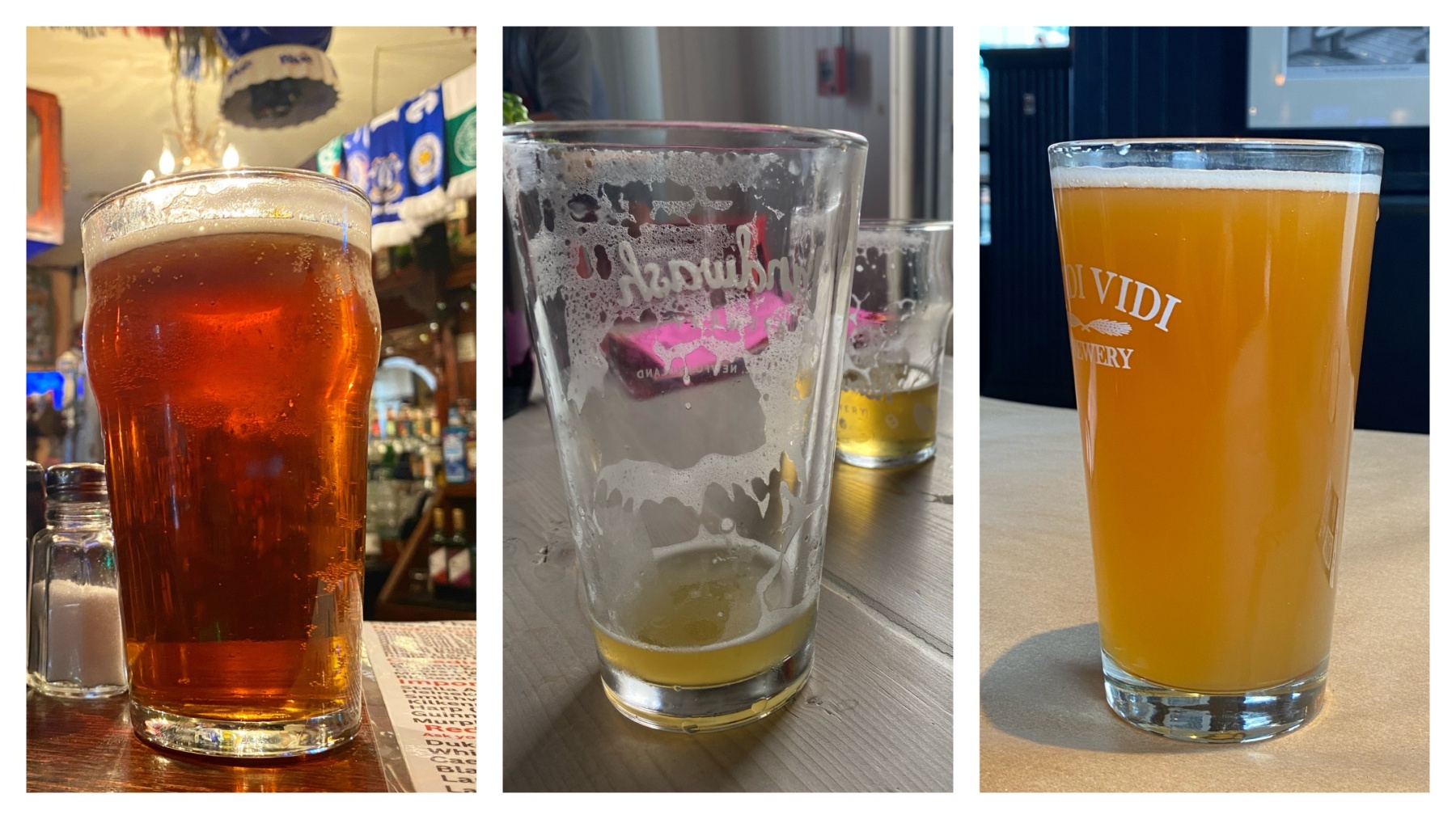
The taproom at Quidi Vidi Brewery in St. John’s has often been a hopping (no pun intended, honest) place most of the times I’ve been there, but it’s quite quiet these days.
That’s because the company — the elder sibling of Newfoundland and Labrador’s craft beer industry, having put down roots three decades ago — has closed the taproom for February.
It’s the latest sign of trouble in an industry that was on a roll for years, and which is now struggling to keep up.
Two things are happening at this moment. One is the seasonal, wintry slowdown that comes early in the year. The other is more significant: a countrywide sluggishness that has put fierce winds on the whole industry.
The first one is cyclical and expected, but is still not any fun.
“Unfortunately it just doesn’t make sense for us to be open during the month of February,” Quidi Vidi Brewery owner Dave Fong told the St. John’s Morning Show this week. It of course is not a problem isolated to his company, but instead to everyone in hospitality. A video of Fong’s comments is below.
“If you go to any restaurant or bar, or many industries in Newfoundland, this time of year is just slower,” Fong said.
Every year, the winter months are like a grim reaper in the restaurant and service trade. For decades, I’ve seen restaurateurs cross their fingers and hope for the best, or at least enough to carry them through to spring and then the tourism-enhanced summer months. Some don’t get the good fortune to keep going.
Beer gardens and taprooms are at their best in the warmer months, and that’s usually when I’ve been there. On a family vacation to Twillingate in 2019, we whiled away a couple of hours one afternoon at Split Rock Brewing; I still recall it as idyllic, as we sipped on beer, read, had a bite to eat, chatted and caught our breath before heading out. It was, as the kids say, a good hang.

The “good hang” element is a big part of why craft breweries have been popping up in rural areas, and why governments (Newfoundland and Labrador is hardly the only one) to back them as economic engines in small places.
But after years of growth, the novelty has worn off, and drinking tastes seem to be changing, too. Here’s a thought published in a CBC piece last month:
Their taprooms were popular with both customers and governments, who saw craft breweries as a source of economic stimulus and a way to revitalize rural areas and dilapidated downtowns, according to the Canadian Craft Brewers Association.
“It was almost as though anybody who had a dream of opening a brewery, or maybe who won an amateur brewing competition and they were running a little craft brewery, like, out of their garage, suddenly had the opportunity to say, ‘I’m going to get behind this,'” said Christine Comeau, the association’s executive director.
“There [was] a lot of excitement, a lot of funding behind it.”
The same article, by the way, suggests a wider downturn has been in our midst all along. Here’s a graph depicting Statistics Canada data showing the volume of beer sold across the board, including at trendy taprooms where a good hang can be had.
In other words, sales by volume peaked more than 15 years ago.
Coming to a head
So, is it over?
I’m not sure at all, to be honest. I can see a few things shaking out, but it seems to me that craft brewing is going through some midlife adjustments. The building years are in the past; now it’s about keeping things steady.
I noticed a social media post from Port Rexton Brewing, which has been so successful that I know plenty of people plan their visits to the Bonavista Peninsula around their location. (If you want a prime example of how a small brewery and taproom can be a community engine, look no further.)
A few weeks ago, Port Rexton hosted reps from fellow craft breweries — including Yellowbelly, Boomstick, Bannerman Brewing, Landwash, Quidi Vidi, Split Rock, Iron Rock and Bay de Verde Brewing — to talk the trade, including “a cross-province collaboration brew.”
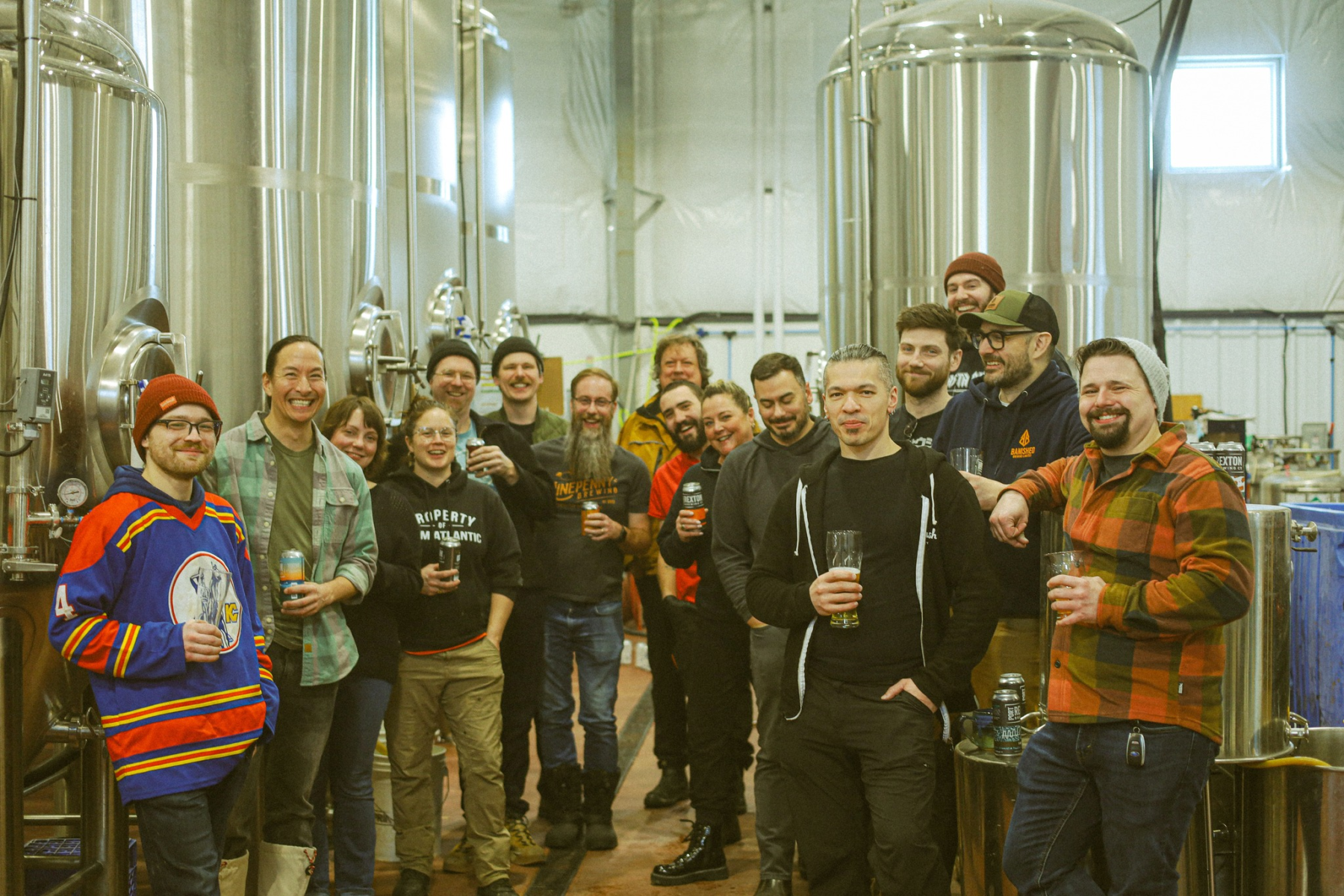
“There was plenty of shop talk, lots of catching up, new ideas flying around, and a whole lot of laughs – all mixed in with some very competitive beer bowling and a few enthusiastic Bon Jovi dance parties,” said the company’s Facebook post. “Keep your eyes peeled for this collaborative brew to drop in the coming months.”
Seeing the industry team up is a good sign. Sure, they’re competitors, but they’re in the business together.
And if you’ve been to one taproom, you’re inclined to check out others. Our favourite hang happens to be Landwash in Mount Pearl. A late-afternoon stop by the wide windows is a pleasure, year-round too. I like how they, like others, make room for families; just as British pubs have known for generations, a taproom should feel like a community living space, and far from being annoyed by small children in my midst, I embrace seeing parents get together with their friends.
Over the years, we’ve been to most of the companies listed above, and others, like Ninepenny in Conception Bay South. We’re thinking about travel plans again, and while we’re far from heavy drinkers, a taproom is an incentive to go somewhere and spend a day or two. Here in the Avalon and outside of town, we’ve made time for daytrips at Baccalieu Trail in Bay Roberts, Bay de Verde Brewing and Dildo Brewing (the last of which is always but always filled to the gunwales in summer), not to mention Newfoundland Distillery in Clarke’s Beach, which has an awesome lunch and, again, a great view.
There are issues for craft brewing on the horizon. It’s no stereotype that some Gen-Z consumers prefer no booze at all. I’ve not been surprised to see no-alcohol options pop up on the chalkboards in taprooms, and I expect to see more.
As for the seasonal winds, they sting, but they will end.
“January and February, they’re always going to be tough times,” Landwash’s Christina Coady told CBC. “You’re always ready for it, but it always still hurts when it comes around.”