Saturday digest: Booze in the news, with sinking sales and tariff-caused chaos

If there’s an industry that could use a proverbial drink, it’s the booze industry in the United States.
Consider this. American wine and beer exports fell in 2025, and fell hard — a drop of US $472 million, or a stunning 26 per cent from the year before.
That’s according to data released this week from the U.S. Census Bureau, and there’s more:
The Census’s “Alcoholic beverages, excluding wine” category also saw a major decrease in exports — its $2.8 billion total represents a $215 million slump from 2024 to 2025.
The U.S. government did rake in some big bucks from tariffs on foreign wine, at US $492 million. But as economists underscore, this has largely led to a tax that consumers there ultimately have to pay.
As well, Donald Trump’s tariffs — and needling of Canada as the “51st state” — led to an ongoing backlash that has caused substantial pain to American producers, says the Robb Report:
In response, a “buy local” movement emerged in Canada that encouraged people to not purchase goods from America. “This situation is a combination of recent happenings in global trade policies as well as a generally negative sentiment of any products made in the U.S., not just wine,” says McCoy, whose company owns legendary wineries like Heitz and Burgess.
Retaliatory tariffs and consumer pushback are hurting American producers. The Jim Beam bourbon brand, which has survived since the late 18th century, is halting production at its main facility for all of this year.
It’s not just pissed-off customers abroad, of course. The booze industry globally is in a rocky shape because customer tastes are evolving:
According to Gallup, American adults are consuming alcohol at historic lows. Just over half (54%) say they drink alcohol, the lowest level in the 90 years Gallop has tracked results. Another report shows N/A beer sales surging 22.2% between November 2024 and November 2025.
The tariff situation evolves. Newfoundland and Labrador, like other provinces, has given up on the boycott of American alcohol products.
Just over a week ago, the U.S. Supreme Court struck down most of Trump’s tariffs. He retaliated by imposing new ones. Confused? Track the many developments here, on what Wine Enthusiast calls an “exhaustive (and exhausting) timeline.”
Meanwhile, noted economist Paul Krugman wrote recently on how some in his profession now have to contort themselves to make what used to be the plain facts of tariffs fit the political view in the Oval Office.
Burnout and deep-rooted, complex problems in social housing
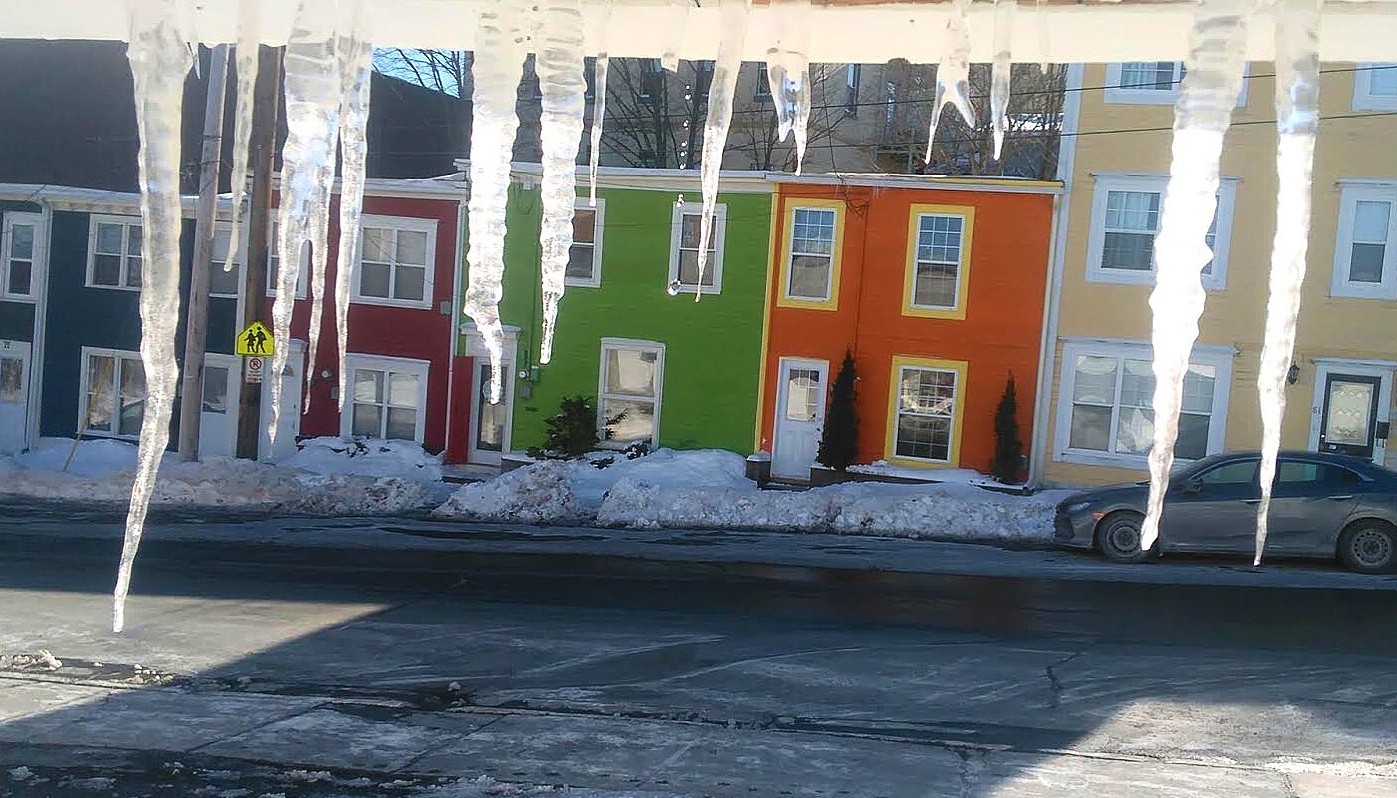
I was struck by a LinkedIn post this week by Doug Pawson, the executive director of End Homelessness St. John’s. He identified two significant issues — one involving the people the group serves, the other the internal risks for people working in the sector.
The group analyzed 408 records (out of about 1,200) of identified people who do not have adequate housing.
For years, like many communities, we operated with a general assumption: most people experiencing homelessness would thrive with strong community-based supports. Housing navigation. Case management. Eviction prevention. Some episodic clinical care. And for some, that remains true. But the data told a different story about our current reality.
The largest share of people now fall into what we describe as Tier 3, requiring both housing and ongoing clinical support. Significant numbers require even more intensive, specialized care. Fewer people than we assumed fit into lower-intensity tiers.
In other words, assumptions about just finding more decent places to live will not address let alone resolve these issues.
That contributes to what Pawson identified as another issue: burnout.
When a frontline worker in a community-based housing support program is supporting someone with persistent mental illness, chronic health conditions, medication non-compliance, institutional histories, and frequent crisis involvement without integrated clinical supports attached, we are not simply asking them to “do their best.” … creates secondary trauma. It creates the quiet exhaustion that accumulates when you know someone needs more than you are structurally equipped to provide.
You can read all of Pawson’s post on burnout and housing here. It’s worth your time.
Speed round: Quick points on many things
A pneumonia patient at St. Clare’s hospital near downtown St. John’s could see ice crystals in the air and was covered by eight blankets as cold air blew in through a window, reports Cameron Kilfoy of the Telegram.
Still with St. John’s hospital news… A memorable quote in Mark Quinn’s CBC report on a man who needed CPR after an agonizing eight-hour wait in the ER: “I flatlined. The nurse, luckily, was a six-foot, strapping man and he was on top of me giving me CPR. I came to a couple of times and I could see him and I knew I wasn’t seeing the lord.”
From the New York Times editorial this morning, over news of attacks (with Israel) against Iran: “In his 2024 presidential campaign, Donald Trump promised voters that he would end wars, not start them. Over the past year, he has instead ordered military strikes in seven nations. His appetite for military intervention grows with the eating.”
Cannabis may be legal in Canada, but a felony conviction in the U.S. kept roots-country singer Charley Crockett from being able to cross the border for a Canadian tour that would have continued this coming week. Turns out he isn’t the only musician to have had border crossing problems.
A GoFundMe that started after the actor James Van Der Beek died of cancer got a lot of attention. The Hollywood Reporter looked into it, and found Van Der Beek not only was not as rich as people assume famous people can be, but had likely been spending a lot on (extraordinarily expensive) alternative treatments that are often marketed to people in desperate circumstances.
The late Oliver Sacks, the celebrated neurologist and writer whose work led to Awakenings and many books, seems to have used confabulation in his own writing: that is, mixing his own narratives into the stories of his patients.
Oh, and streaming may be dead. At least for Spotify. The business model sucks. It was on a podcast.
The St. John’s Burger Battle kicks off tomorrow. Here are the (often gargantuan!) competing burgers.
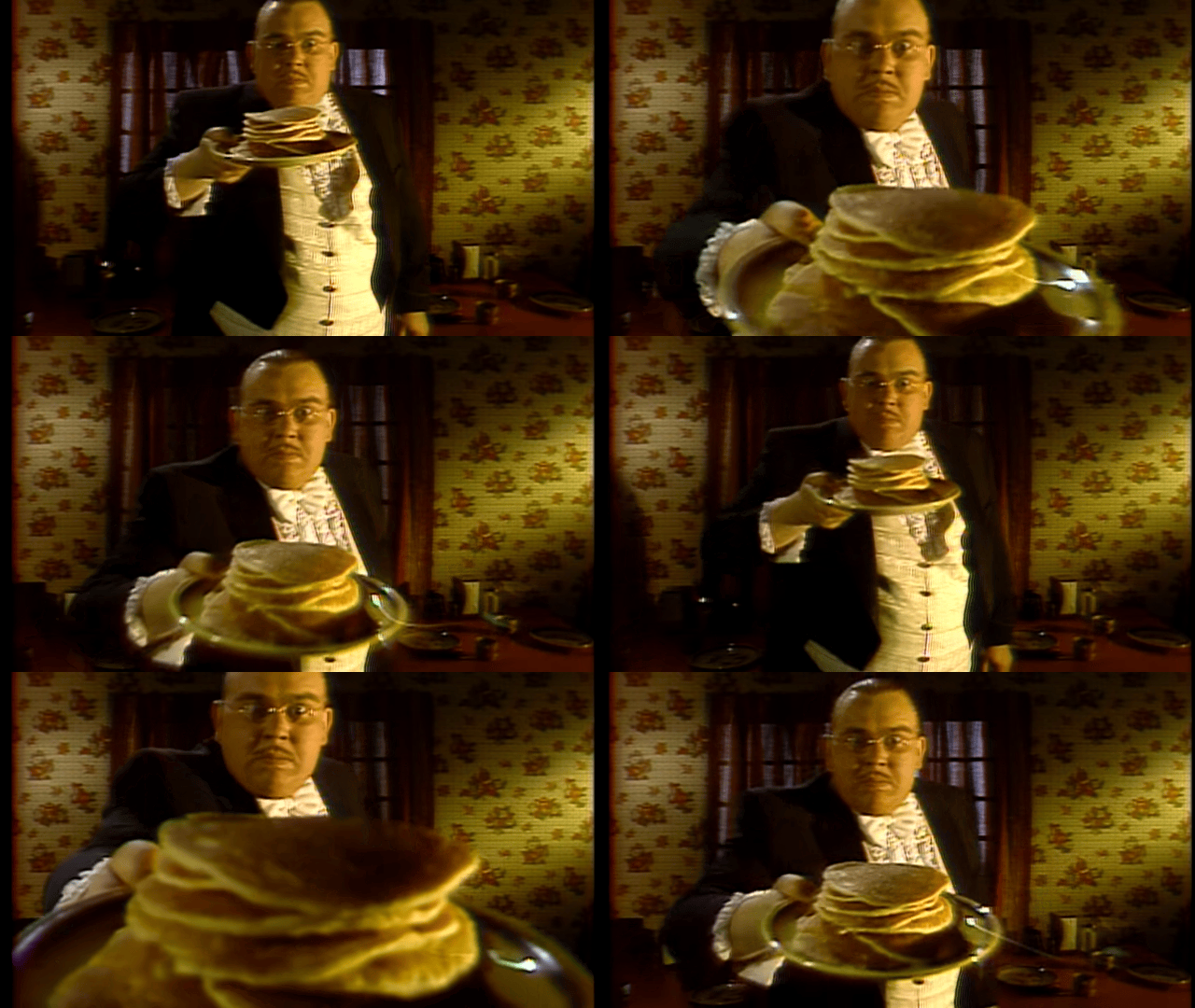
Finally … Monster Chiller Horror Theatre for the win, baby! All of the SCTV episodes are set to launch in the coming week on the Prime streaming service. (Am I excited? I must say…)
You can read prior Saturday digest columns here.
Have a good weekend.