Here’s why Marianne Faithfull’s legacy will endure for generations
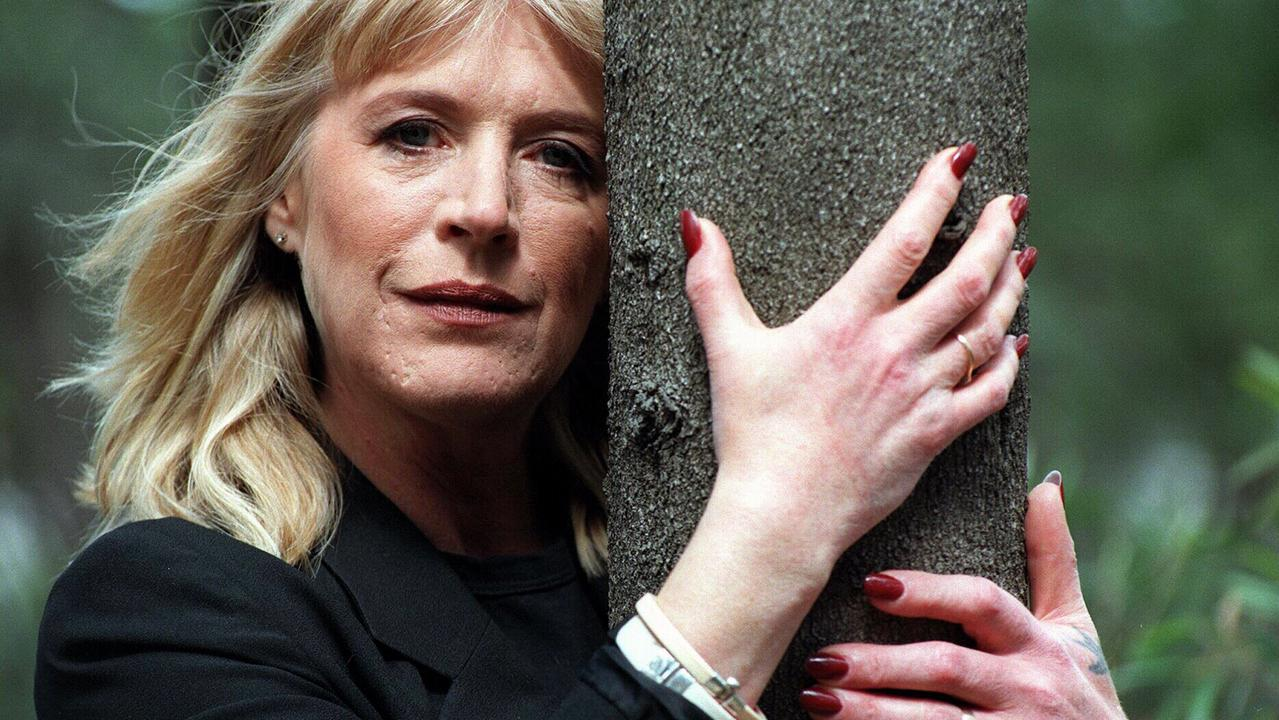
“Never apologize, never explain — didn’t we always say that? Well, I haven’t and I don’t.”
— Marianne Faithfull
Those words appear in the first of Marianne Faithfull’s memoirs, Faithfull: An Autobiography, which was published in 1994. By that time, Faithfull had been through a few career renaissances and reinventions, but was still in the throes of a series of addictions that have been somewhat synonymous with her name.
She beat back the addictions, ignored the haters, performed what she wanted and how, and aged rather gracefully, which is impressive considering that her life included tragedies, homelessness and more than two decades of being hooked on narcotics.
She died in January 2025. I have a feeling music fans will be talking about her, and listening to the breadth of her vast catalogue, for decades to come.
I became a true fan upon the release of 1979’s Broken English, featuring a cover of Faithfull using her arm — with her fingers holding a lit cigarette — to seemingly shield her eyes from glare. Or maybe she was just thinking…
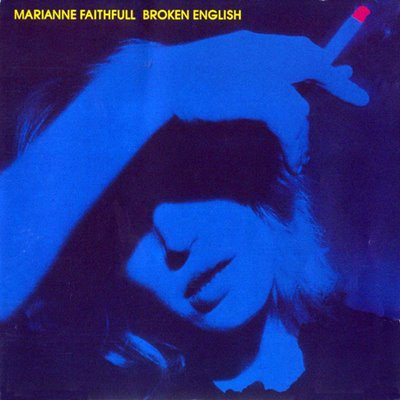
The title track, featuring a propulsive bass and new wave-ish arrangements, stood out right away. It felt miles away from the teenage naivety projected by As Tears Go By, her best-known single from the 1960s, when she was alas better known in the public eye for going out with Mick Jagger.
Faithfull herself did not flinch in interviews about what her raucous life was like in and after the Rolling Stones orbit. She lost custody of her child, wound up homeless and was unable to make much of a living as a performer.
If it looked like she had been through the ringer by the time Broken English was recorded, that was indeed the case. She was only 32 when it was released, but it had been years since the industry paid any attention to her talent.
Below is her performance on Saturday Night Live in February 1980. She was clearly not at her best — her voice was strained and cracking, right from the start — but I remember watching this at the time and being utterly fascinated. Her voice was broken, and while the performance polarized critics (I’ve seen it on lists for worst SNL music guests, etc.), I found it poignant then. I still do. Maybe the cracked voice was unprofessional, but it matched the message.
If I gravitate again and again to Broken English, my wife has always had a love for her cover of The Ballad of Lucy Jordan. The song, a hit years earlier for Dr. Hook, was written by Shel Silverstein, composer of A Boy Named Sue and numerous books, including the children’s classic Where the Sidewalk Ends. This is one of those cases where one performer (like Johnny Cash with A Boy Named Sue) just takes over the song to such an extent that any other rendition feels secondary at best.
As time continued to go by, Faithfull shifted gears again and again, from cabaret to atmospheric pop to torch songs. Through the years, her songs are the soundtrack for dive bars, grand living rooms, smoky cafés, salons and early mornings at the kitchen table. The range!
When she wanted to collaborate with contemporary artists for 2002’s Kissin’ Time, those who showed up to work with her included Beck, Billy Corgan, Jarvis Cocker and Damon Albarn. Who wouldn’t want to team up with a legend?
Here’s Sliding Through Life on Charm, with Cocker on loan from Pulp; then 55, Faithfull was not one bit afraid of R-rated lyrics and bearing her grittiest feelings.
The closing lyrics include: “I wonder why the schools don’t teach anything useful nowadays/ Like how to fall from grace and slide with elegance from a pedestal / I never asked to be on in the first place.” There’s an autobiography in a few short lines.
Kissin’ Time was just one of her many albums; after breaking through in 1979/80, she never let go of a second chance.
Her discography is impressive, with 22 studio albums and more with live work. There’s much of her work I have not really listened to deeply yet. It feels like there is still so much to discover.
This winter, a documentary also titled Broken English debuted in the U.K. It’s subtitled A Moving Portrait of Marianne Faithfull, and it includes performances by actors like Tilda Swinton to tell Faithfull’s story. Faithfull — wearing cannulae to assist with her breathing — was interviewed prior to her death.
I’m hoping to see this some day soon.
Try out the playlist
I’ve been building a playlist in Spotify of songs mentioned here on the blog, including three Faithfull tunes referenced above. You can find the playlist here or sample below.