Even with the best possible spins, Donald Trump’s polling is dismal
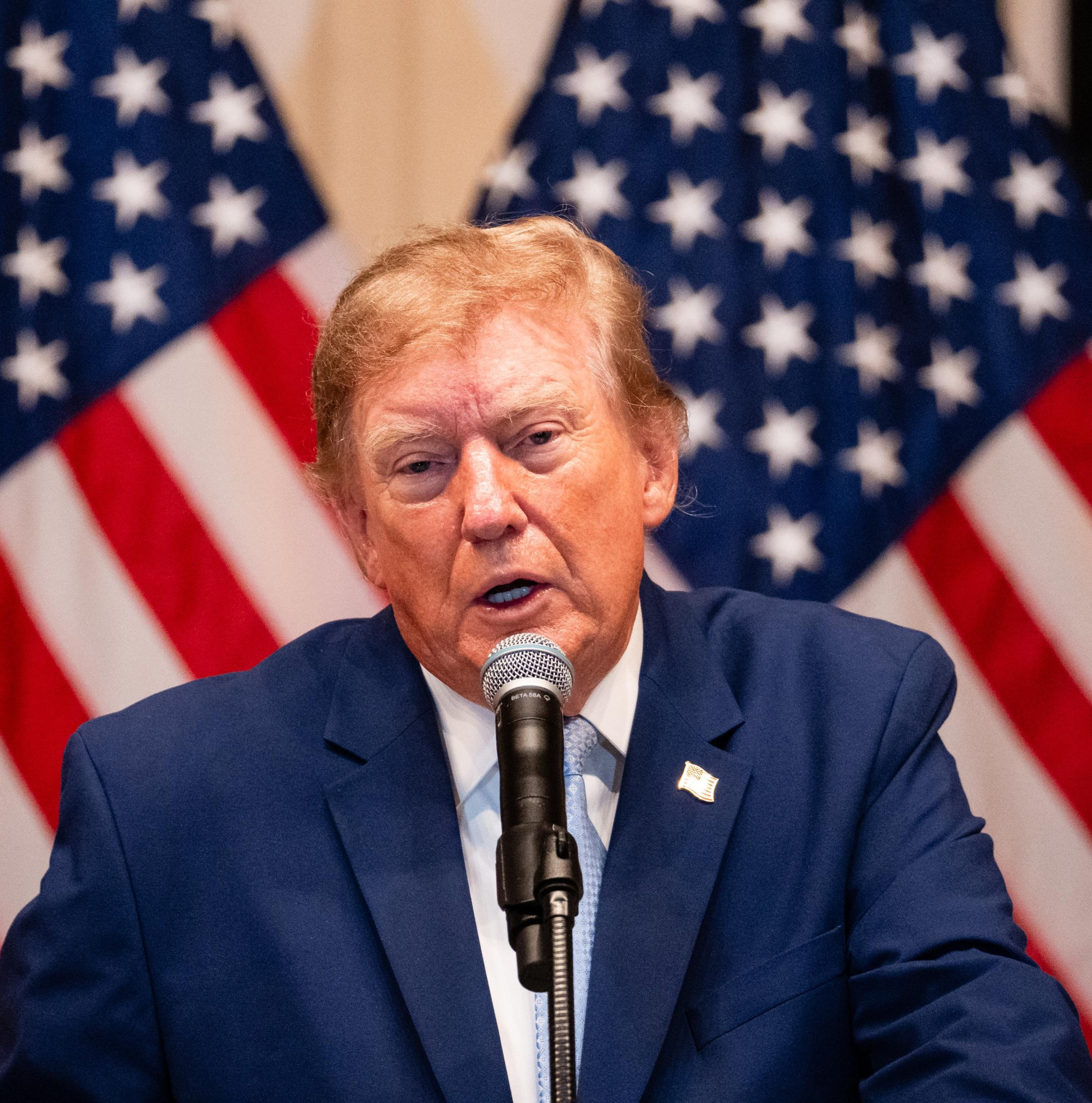
The good news for Donald Trump: he does not have to worry any more about the dubious achievement of recording the lowest approval rating in presidential polling history. He did that in September.
The bad news, for Republicans as the midterm elections race ever closer: Trump just bested himself with yet another lower rating.
A CNN/SRSS poll released Wednesday puts Trump’s approval rating at 32 per cent. That same day, a New York Times/Siena University poll put approval at 36 per cent — also the lowest seen through that series of polls.
The Nov. 3 midterms are now less than two weeks away. Various waves of polling for some weeks have had the Democrats well ahead of the governing Republicans, which capped the 2024 elections with the White House, the House and the Senate. That unusual across-the-slate win gave Trump a carte blanche for a while to do as he pleased.
Things have changed.
A Democratic rout is now expected to flip the House, and it’s also possible Trump could lose control of the Senate. Some polls have suggested a blue wave could give the Democrats clear control there, too.
Experience over the last decade, though, has taught pundits to temper themselves. That’s because polling from one election cycle to another has consistently underrepresented Republican voting intentions in 2016, 2020 and 2024.
And yet … polling research has been consistent for weeks now with margins of error that are well above the three or four percentage points commonly cited as systemic polling errors.
Trump himself is not running in this election, but he’s definitely a central theme. The cost of living is routinely cited as the prime driver of voter sentiment, and that’s linked invariably to how Trump has executed his policies and goals — including a war against Iran that has made fuel prices (especially diesel) even more expensive.
So, what kind of trouble are the Republicans in?
Here’s how an analysis piece in the New York Times of its poll put it:
But there’s another reason to be skeptical of a decisive Democratic victory, even if one assumed the polls were in the ballpark. To win by such a wide margin, Democrats need modest but meaningful support from Republican-leaning voters who haven’t usually been up for grabs during the Trump era, or they need Republicans to stay home.
Anecdotally, political coverage in the States is showing prime — if not startling — examples of exactly this happening.
Case example: Neil Bush, the lifelong Republican son of former president George H.W. Bush and brother of former president George W. Bush, said this week he has already voted for James Talarico, the Democrat who could take the once-safe Senate seat in Texas. “Character matters more than party affiliation,” he wrote in an indictment of Republican candidate Ken Paxton, which has been perceived as a critique of Trump, who backed Paxton despite scandals.
Another case example: Vivek Ramaswamy’s stunning use of an attack ad for the governor’s race in Ohio has offended people across party lines, with his primary Republican opponent now voting for his opponent. The 60-second spot features the mother of Democrat Amy Acton calling her daughter a liar — without the context that the mother has since the 1970s stood by Acton’s stepfather, who raped her as a child and then lived as a fugitive. Despite the bipartisan outrage (and defecting Republicans), Ramaswamy thinks the ad is a winner and is doubling down on spending millions on it.
“Never run a spot whose rebuttal is stronger than the spot,” said Rick Wilson, the former Republican strategist behind the Trump-tweaking Lincoln Project, in a Substack post about the Ramaswamy mess.
The Republicans seem to be leaching key areas of support this election cycle, compared to the voting blocs that put Trump back in office. Latino voters, who had been warming to Republicans, have been dropping them this year. Ditto for Arab Americans. Yesterday I read that the Democratic lead among young adults is 37 points.
Today I read that “low-information voters” — that is, voters who don’t keep up on the news — “have turned hardest against Trump and the GOP,” which is a rebuke indeed.
So, yes, there are likely to go be polls that get it wrong. That’s standard now.
But the consistency of poll after poll is startling, especially when you notice that the GOP is not focusing on states that they flipped in 2024, but areas that should be so safe they don’t need the attention … like Texas, Iowa and North Carolina.