Before Alzheimer’s, my parents made some of their biggest decisions. That made everything easier
Several times this year alone, I’ve spoken with people who have had to deal with an issue that can be a defining moment in a family: surrendering a driver’s licence.
Driving can get more complicated as we age. Many people can drive safely in their senior years, but it’s often inevitable at a certain point that safety must come first.
You can imagine this becomes especially fraught with Alzheimer’s, which attacks cognitive powers like decision-making, and will also likely affect reaction times, spatial awareness and focus on tasks, among other elements of safe driving.
“This means everyone with dementia will eventually be unable to drive safely,” reads this resource from the Alzheimer’s Society in the U.K. “How quickly this happens varies from person to person.”
I was moved recently listening to one person’s struggle with their mom, as the family explained that the time had come. Their mother was having none of it. That is not unusual, I have come to learn.
A driver’s licence is often a primary symbol of independence for a senior (or anyone), and surrendering it would mean acknowledging that they have lost something else — their self-reliance, their agency, even their self-worth.
For some, it’s also means confronting the power of an incurable disease.
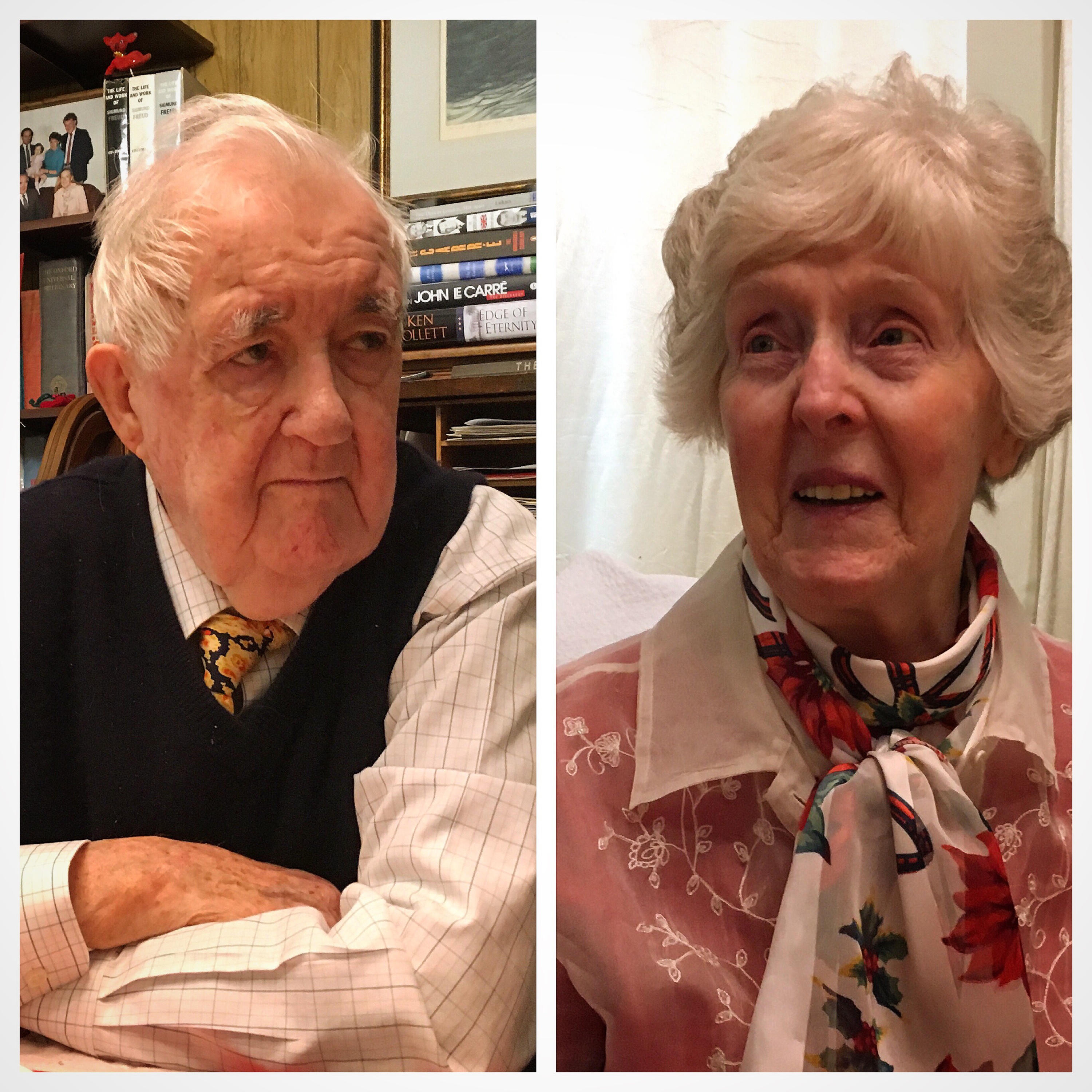
Fortunately, I was spared this conversation with my mom, Sheila Gushue.
Some years before she was diagnosed with probable Alzheimer’s in 2024, she and my dad, Bill Gushue, decided to give up driving voluntarily.
For Dad, it was about money, not health.
“I did the math,” he told me. I remember sitting with him in his den, as he chuckled while sketching on a sheet of paper what they had been paying for what he humorously called “the tank” — a beast of a car that amply filled their driveway. Insurance and maintenance were the big costs, as they actually did not fill up the tank very often. As I recall, Dad worked out that Mom (the only one who really used the car at that point) may have been paying $40 to $50 for every drive.
I did not realize at the time how much grief we avoided had they made another decision at the time, but I’ve witnessed it play out over the years in other families and circumstances. It can be wrenching, even hearing a friend describing how painful things had become.
Just last week, I ran into my former (now retired) family doctor, who told me he often took on the role of the “heavy” on behalf of a family. “My shoulders are big; they can handle it,” he told me, citing what he would tell loved ones. I’m sure that was a comfort to many a family.
As it turns out, my parents made several decisions over time that helped me and my family enormously in the last few years.
In 2018, my folks asked me over for a conversation, and I knew from Dad’s tone it would be a bit more formal. They asked me to take on power of attorney. I of course said yes, without understanding what the role actually involved. (More on that soon.)
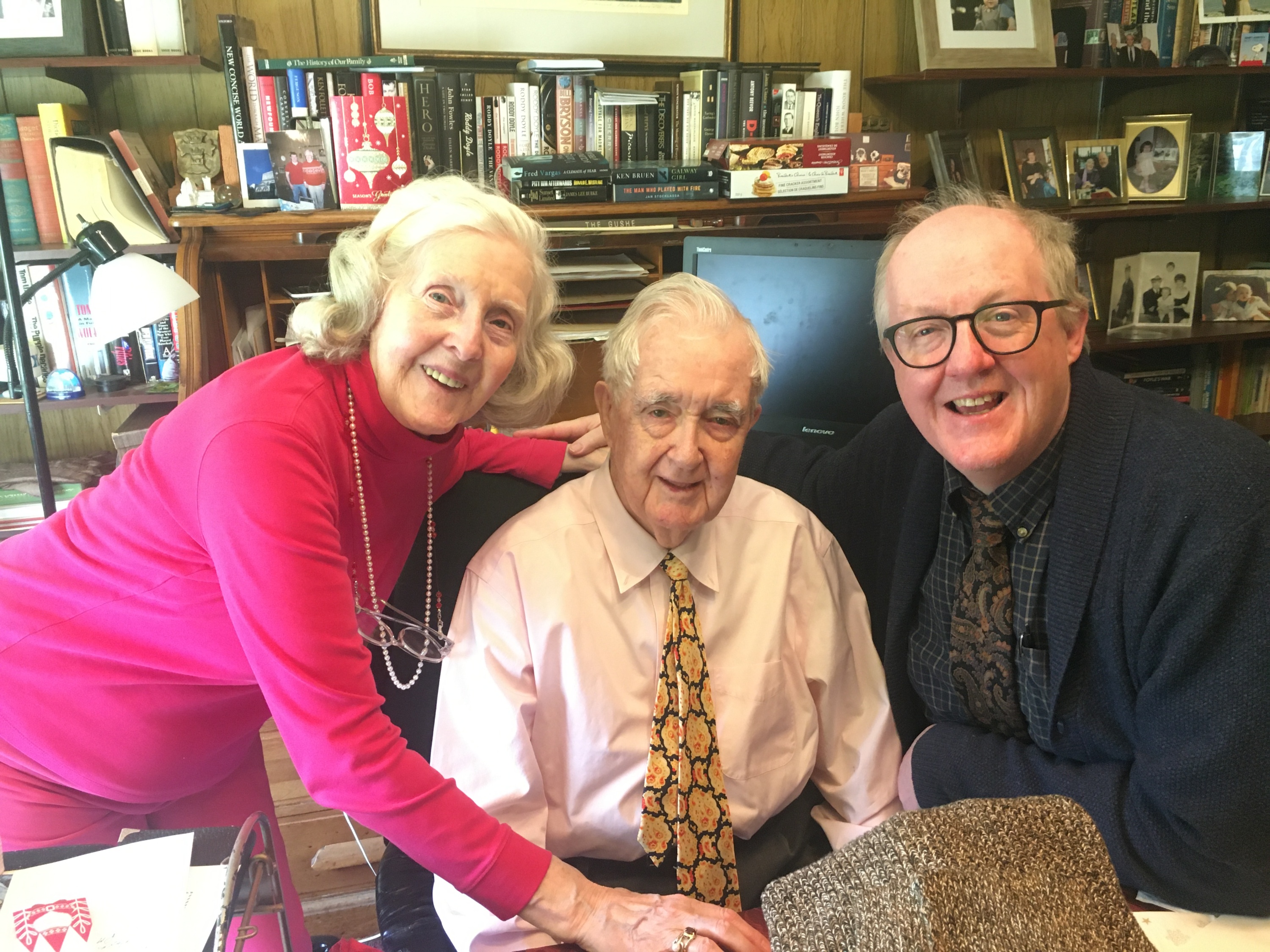
I was, though, a bit surprised: my parents at this stage were what I would call healthy seniors. They were living independently in their own home, and at that time there were no significant concerns about their safety.
It turns out they were planning ahead. The power-of-attorney decision was really lining up their ducks, as I did not actually take on this role until January 2024, when Dad suddenly became ill and was admitted to hospital, triggering a decline that culminated in his death six months later. It was during these months that Mom’s health also sharply declined.
It was, as you can imagine, a challenging time.
Looking back, I can only thank their preparation — and not just on arranging power of attorney.
Advanced directives
Mom and Dad also prepared what are called advanced health directives. This is a document that outlines their wishes for medical treatment, and in particular for Mom and Dad an insistence that no extraordinary measures (like artificial life support) be taken should they, say, have a heart attack. My parents named me and my sister, Lisa, as substitute decision makers, in case only one of us can be present in such an emergency.
The importance of this document was made clear to me on the night of Jan. 24, 2024, when we persuaded Dad to accept medical treatment. When I arrived, I gave the attending physician at the hospital a copy of the directive, and I’ll never forget this. You, he said, have just made everything much easier for your family.
A footnote to this: Mom and Dad knew that they had to update all of their paperwork, but had — and this is human nature — put it off. Fortunately, they signed everything, including updated directives, the very night before Dad got sick. I still shake my head at that timing.
Mom’s own directive has been useful to have on hand over the months. Her cognitive capacity is now at a state, unfortunately, that would make it impossible for her to navigate the health-care system independently.
I’ve been attending an Alzheimer Society program called First Link over the last few months, and I highly recommend it. (The next iteration of this free program in St. John’s starts next month.)
One of the sessions covers preparation for things like power of attorney, and sensibly, the advice is to get this and other things — like an advanced health directive — dealt with when the person with Alzheimer’s still has the cognitive ability to do so.
That’s good advice for all of us, but we’re human, and we postpone (or ignore) these intimations of mortality, don’t we?
I am so grateful that Mom and Dad thought ahead, while they could, and that they had solid legal advice along the way.
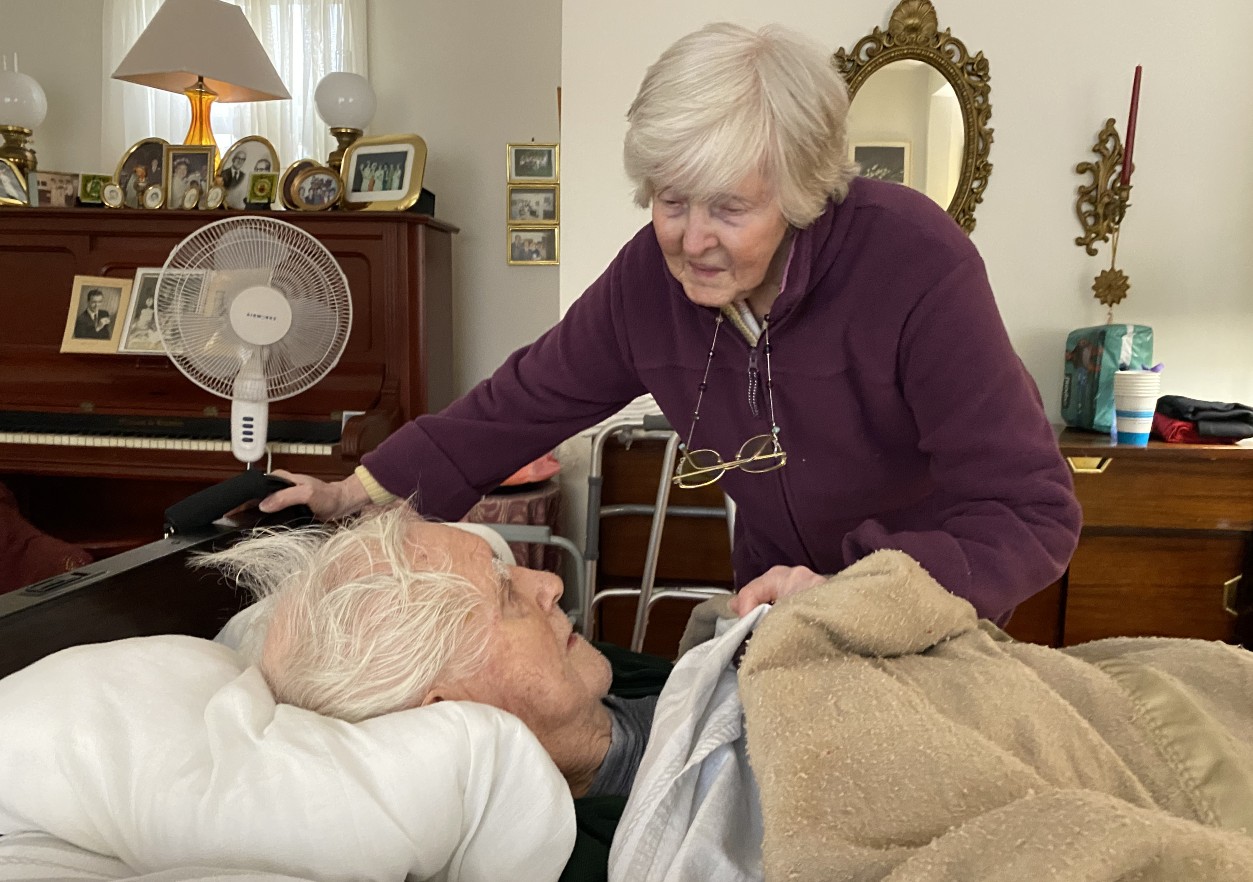
My dad’s decline in his final months was not easy. After being discharged from hospital, we brought him home, and rented a portable hospital bed for the living room, which became Dad’s final room. Dad did not have any chronic diseases, like a heart condition or diabetes, and his death certificate marked “frailty” as the cause of death. He just wore out.
Despite the circumstances, and what was obviously happening, Dad was not keen to talk about some things that needed to be discussed — at least as far as I was concerned, wearing my power-of-attorney hat.
Like many people, Dad disliked talking about two things: death and money. You can imagine this presented some challenges on the power-of-attorney front. Several times I would sit with him to go over things, and he would — sometimes with a wicked sense of humour — change the subject.
Two storms on the horizon
We got there in the end. And, to be honest, I recall those chats vividly, and fondly. In a couple of powerful conversations, he made it clear that my job was to see my mom through, even if he sometimes was a bit elliptical with me.
On one occasion, on a warm day that summer, Dad spoke to me while Mom rested in a chair nearby.
“John, there are two storms coming your way,” he said. “One is going to hurt and the other” — his eyes glanced at Mom, whose eyes were closed — “is going to be even worse. Are you ready?”
“I am,” I told him.
“Good boy.” He smiled and he took my hand in his.
Mom broke the silence. Without opening her eyes, she said, “What are you two talking about?”
Without skipping a beat, Dad told her, “I told John it’s very windy outside and that he needs to be ready.”
My mom, reclined with her eyes closed still, replied, “Yes, and don’t use an umbrella. They’re useless here.”
Dad and I kept smiling, and I tugged his hands. Things were going to be OK, I said with a nod, and I’ve tried to do my best since.
So, my advice to anyone at the start of an Alzheimer’s journey is this: get your paperwork in order. Identify your wishes, and be clear with family about what will and should happen. Complete your will and identify your legacy wishes, if you want specific things to go to specific people or places. An advanced health directive is a critical tool to have at the ready. A lawyer can help with all of these things, and is well worth it for clarity and precision.
And remember that surrendering a licence is not the end of it all, but perhaps the beginning.