Learning your lesson: It comes easier when you’re older, believe me
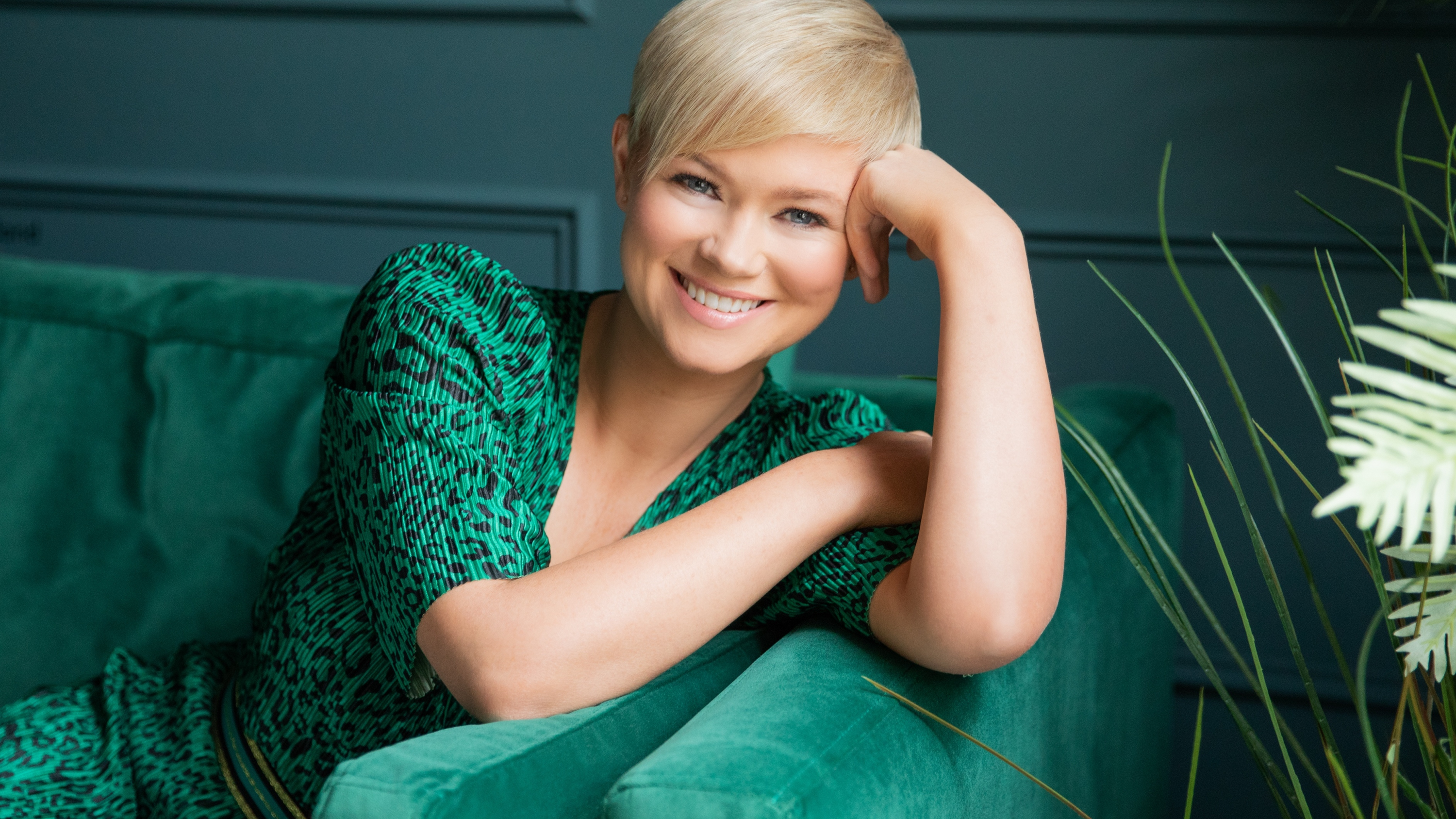
“That’s the thing about lessons, you always learn them when you don’t expect them or want them.”
— Cecelia Ahern
I was intrigued enough by the wisdom of this quote — from the Irish author Cecelia Ahern — that I tracked down the novel from which it is sourced and borrowed it from the library. It appears in a 2005 book called If You Could See Me Now.
I’ve often heard it expressed that as we get older, we realize how much we don’t know — even how little we do know. Lessons are part of our schooling, our childhood days when we’re sponges, soaking everything up.
At some point, quite often, we’re brimming with confidence. When I started my journalism career, I worked with a talented group of other people — the vast majority of us in our early or mid-20s — at a newspaper in St. John’s called The Sunday Express.
We were pretty bold in our work, and I chalk a lot of that up to this: we didn’t know any different, or any better. We had energy to burn, and no concept of burning a candle at both ends. (We also were lucky to have two talented editors in chief, a.k.a., the grown-ups in the room.)
Looking back, our bravado was eclipsed a bit by not knowing many lessons yet. We certainly learned a lot — about politics, business, how the world works, the media racket, and especially about human nature. More besides: ethics, values and the seemingly infinite shades of grey in everyone.
In other words, we didn’t know what we didn’t know. Call them blind spots, but they also provided opportunities, because we did not yet have the experience to start putting up cautions.
And, yes, lessons came when we don’t expect them. I’m not as certain about wanting them: perhaps that’s the nature of the getting of wisdom. (I will, ahem, point out that Ahern was in her early 20s when she wrote this book.)
Here I am, in my (early!) sixties, decades out of school and months out of career, confronting the vast number of things to learn. I’m reminded of what’s often called the Socratic paradox, which is about confronting the facts of not knowing … and knowing that much to be true. (It often, inaccurately, gets boiled down via Plato to “I know that I know nothing.”) Fun fact about my childhood: my dad was heavily influenced by Socrates, so as a little boy, I got used to the Socratic method of continuous questions. This continued right up through Dad’s senior years, and my middle age.
One of the things I’m learning is that it is not only good but exciting to recognize huge gaps in our lives. Aging puts into a clear focus that time is very finite indeed, and there’s no time like now to do some things.
Which brings me back to Cecelia Ahern, a novelist I had not much considered until now. We’re not supposed to judge books by their covers, but we do, and she had struck me as … well, not my cup of tea.
Still, we’re going to find out how her book suits me. Maybe I won’t like it. But there’s a very decent chance I’ll pick up another lesson or two along the way.