Meshell Ndegeocello’s new album isn’t even out yet, but I think I love it
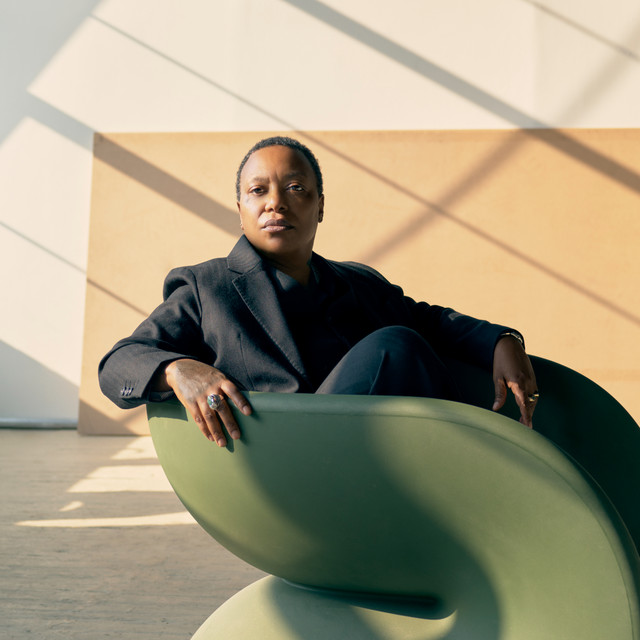
Earlier today, I placed an order at the venerable Fred’s Records here in St. John’s for the forthcoming album from Meshell Ndegeocello, the American bassist, producer, singer and lifelong boundary-pusher. Synonym doesn’t come out until early October, but it’s already getting some attention.
It’s an album of covers — a tried-and-true tactic for many artists. Way back when, a covers record might have been a creative white flag (or a red one), a sign of running out of gas, or perhaps a contractual obligation. Covers albums now are so common, and often so creative, I don’t think anyone bats their eyelashes too much.
For Ndegeocello, the album is a series of duets … and the focus is queer joy.
Take the first single, which came out this summer. It’s a cover of I Knew You Were Waiting (for Me), the glossy Eighties pop smash by Aretha Franklin and George Michael.
For this refresh, some four decades later, Ndegeocello is joined by Cynthia Erivo, who defied proverbial gravity as Elphaba in Wicked. Have a listen.
Ndegeocello made a real impression with her 1993 debut Plantation Lullabies. She was fresh, put a wicked spin on R&B, played the bass like a demon, and did not shy a bit from controversial content — or about herself. Soon after, she had a hit duet with John Mellencamp (a cover of Van Morrison’s Wild Night), but the pop charts were never really her style. She’s been active since, with a focus lately on an alternative style of jazz. Synonym is being released by Blue Note.
Some other tracks have been released in advance, including a darker take on the Human League’s Don’t You Want Me. In this case, the former waitress in the cocktail bar is sung by Cat Power, a contemporary who was coming up through indie rock while Ndegeocello was making her own mark. It’s a great team-up.
Other contributors include Chaka Khan, Brandi Carlisle and Khruangbin’s Laura Lee.
I’m curious enough to hear the rest of the record that I ordered myself a copy.
In a statement on Blue Note’s website, Ndegeocello called the album “an expression of queer liberation as a synonym for liberation of all kinds.”
“The queer community claimed me when others didn’t and for a long time that felt too far away from other communities to which I belong but now I recognize the ways in which it all overlaps,” she said. “Once again, I went back to my elders: Audre Lorde told us that there is no single issue struggle. Similarly, these arrangements are synonyms for their originals — these different sounds still mean the same thing.”
Since relaunching this blog in January, I’ve been building a playlist of songs mentioned here on Dot Dot Dot. You can find it here: everything from Curtis Mayfield and Billie Holiday to X and the Kinks.