Is acting always lying? Nope, said Gene Hackman
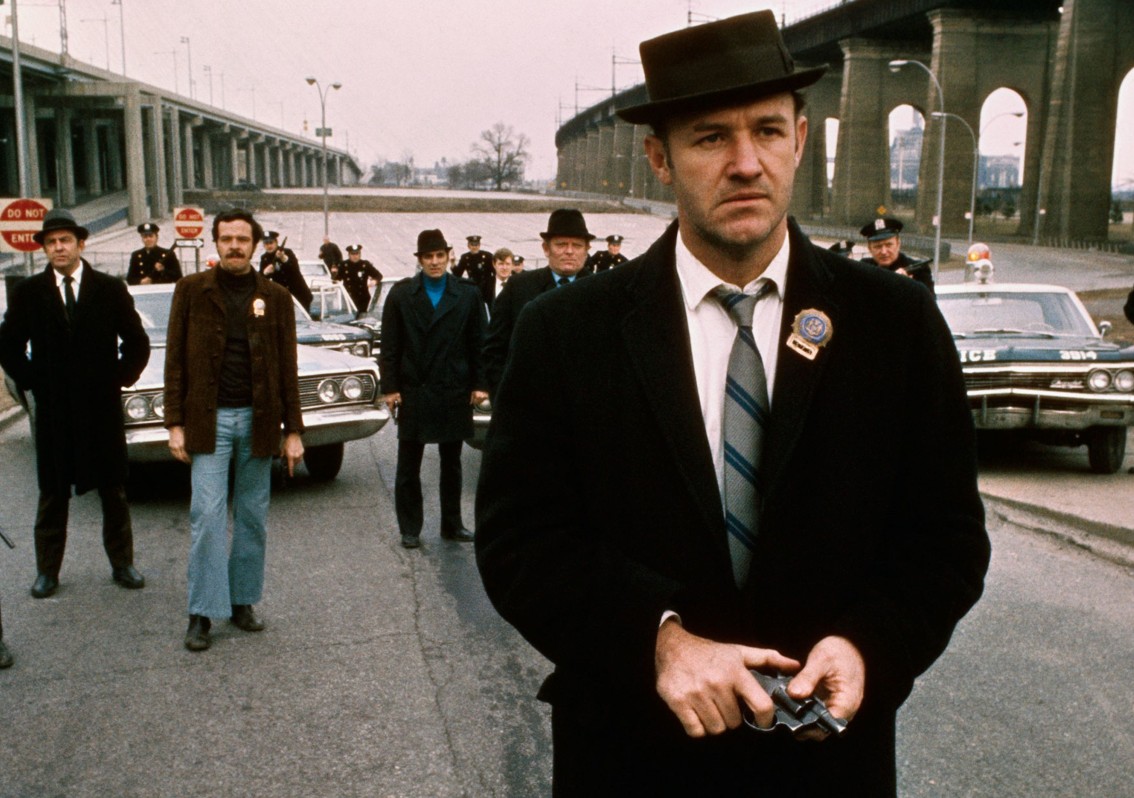
“You cannot play a lie. You must play some kind of truth.”
— Gene Hackman
We’ve been watching the second season of the U.K. series Celebrity Traitors, which is like the regular show (a bunch of people in a castle play a game in which three or so are “murdering” — eliminating, really — the others, who in turn play detective and try to catch the traitors) but at a higher, funnier pitch.
The highlight, right out of the gate was the luminous, joyful Richard E. Grant cackling out loud to others that he is a traitor — right after getting the shoulder tap from host Claudia Winkleman. We’ve never seen that move before!
Then ensued a conversation that played out in the first season, as well, featuring actors like Celia Imrie and Stephen Fry: can you really trust an actor? And aren’t they all just liars?
The quote above came from the late American actor Gene Hackman, and appeared late last year in a New York Times retrospective of performers who died in 2025. (A gift link to that article is here.)
Hackman was onto something, and he certainly is not the only actor I’ve heard express this thought. Even when dreaming up a charactor or imagining a scene, many actors need a true, emotional footing. Method actors, using a Russian system developed a century ago, hone in on personal experiences to make a role more meaningful. (There has always been criticism of that approach: Lillian Gish once joked, “How would you portray death if you had to experience it first?”
That said, many actors consistently find ways of turning in performances that are resonant, even powerful, in their connections. Hackman was an actor I often admired. I’ve lost count of the number of times I’ve seen him play porkie-hat-wearing Popeye Doyle in The French Connection (see the image above), and I often notice something in the performance that hits differently. Hackman is the key reason why the film transcends the cop thriller: there’s a lot going on, at many levels.