Delirium might look like Alzheimer’s, but it isn’t. It’s also a medical emergency
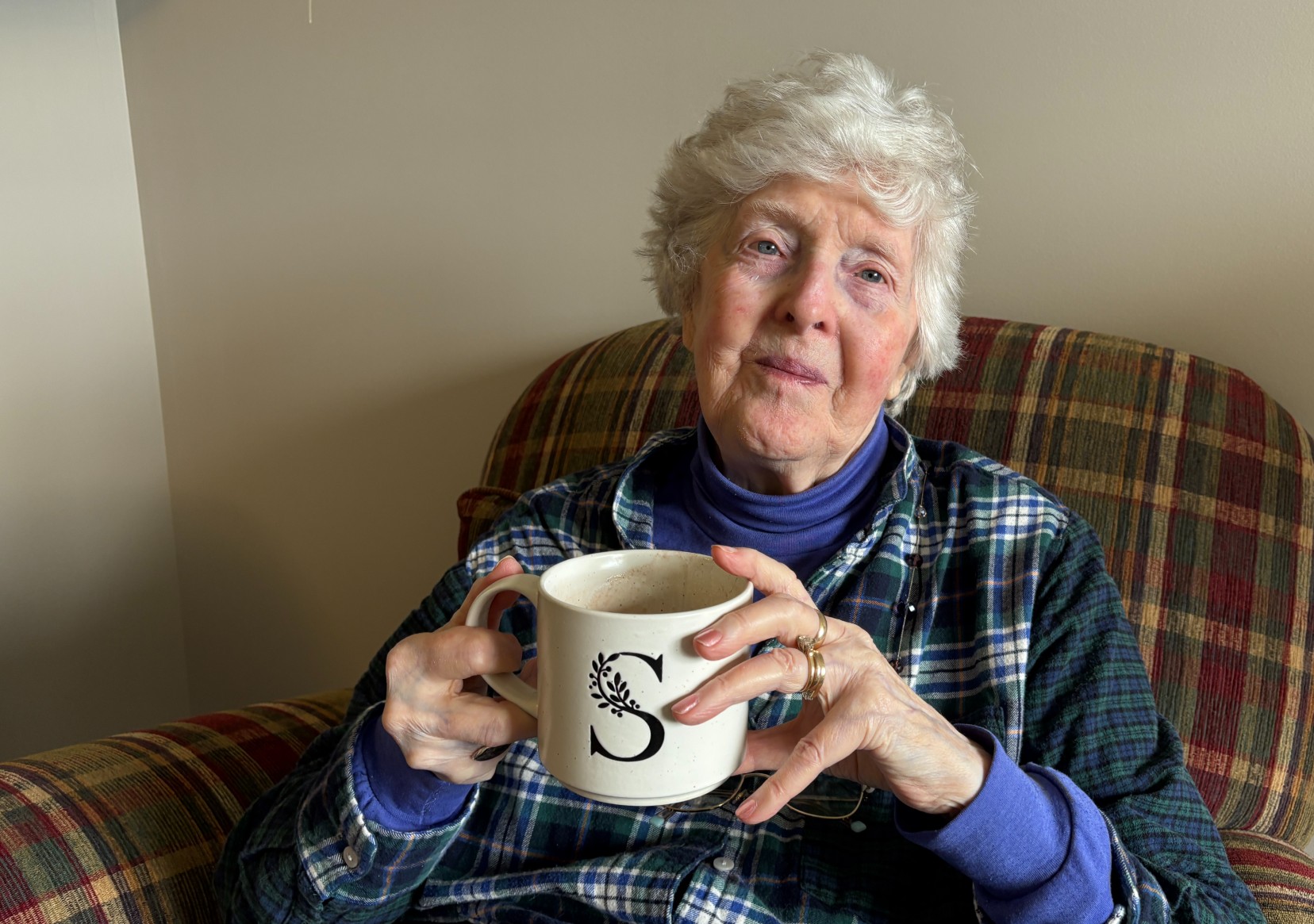
It was a crisp winter evening, right after work, and I had just arrived at my parents’ house in St. John’s. I knew instantly that my mother was out of sorts.
“You!” she cried out. “You are responsible for all of this!”
My mom was in a delirium — a condition I was, at the time, still struggling to understand. It was the late winter of 2024, and while my mother, Sheila Gushue, was in the kitchen, angrily accusing me of manipulating her, my dad, Bill Gushue, was in the nearby living room, in the temporary hospital bed where he would spend his final months.
By this point, thankfully, I already knew enough to not react directly to what Mom was saying. Instead, I changed the subject, and got on with being as pleasant as possible.
By this point, we also wondered if the Alzheimer’s disease we suspected in Mom was worsening.
As we were to learn, that was true — and that a series of delirium episodes was making things so much worse for my mom, and permanently.
Delirium can come on strong, and quickly — seemingly out of nowhere sometimes.
“Delirium is a serious change in mental abilities. It causes people to become confused and unaware of their surroundings,” says a brief from the Mayo Clinic. “Typically, symptoms appear over a few hours or a few days.”
It’s caused by pain. A urinary tract infection can trigger the whole thing, and that definitely happened with Mom a few times. But I’ve come to know over the last three years that any kind of pain can bring on delirium.
I really didn’t know much about this until January 2024, when Dad was taken to hospital. He fought us over this, insisting he was fine when our eyes were telling us something very different. He was dizzy, had fallen down and was unable to get up unassisted, was clearly dehydrated, and his mood was extraordinarily different than just the day before.
At the hospital, the attending doctor in the emergency department told me that the diagnosis for admitting him was delirium. I was surprised, and this is due mainly to my lack of understanding of the condition.
As I learned later, from my reading and from professionals, delirium is a medical emergency. It can be fatal. A 2020 meta-analysis found that delirium is “extremely common” in hospital settings with the elderly, and that despite decades of work, not much progress has been made in combating it.
That’s what I know now.
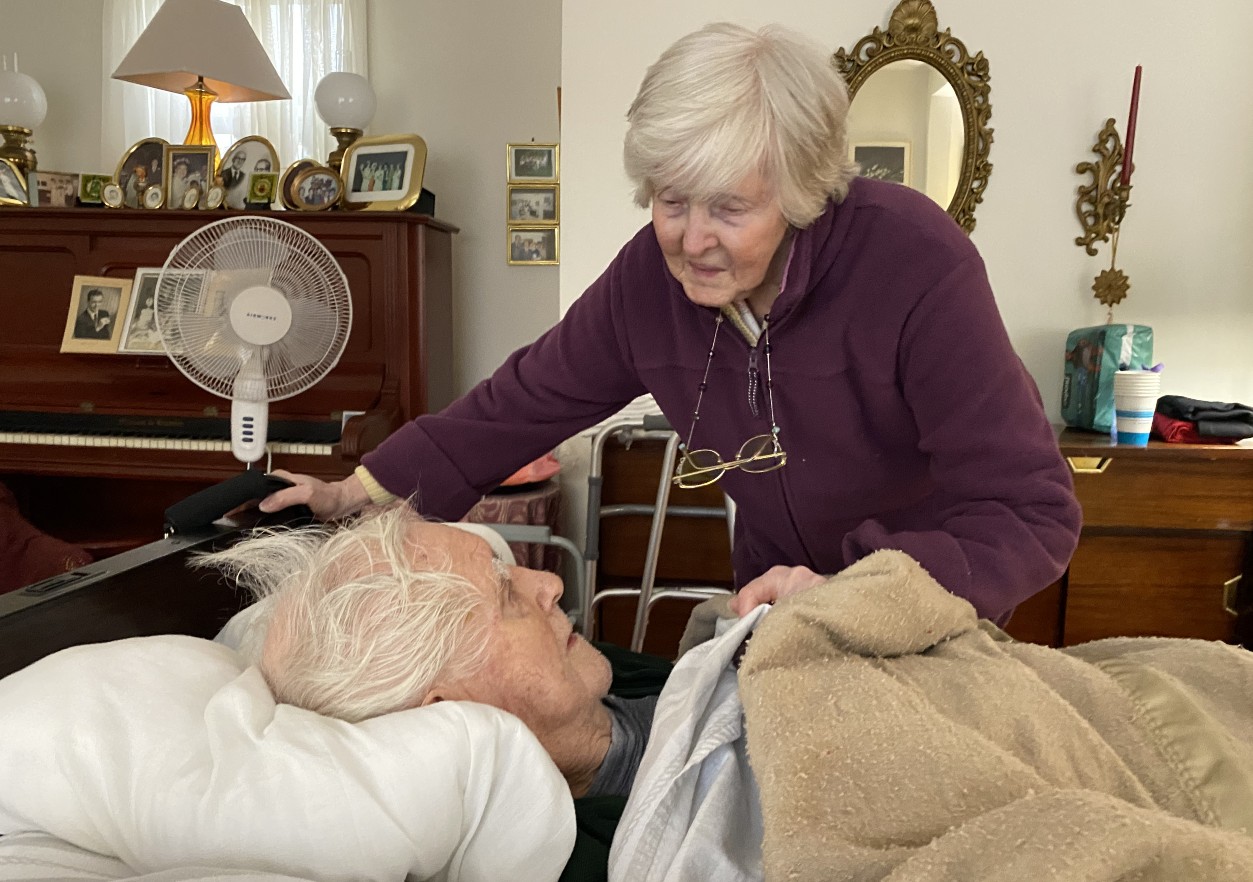
Back then, I knew close to nothing about its impact and threats. And, unfortunately, it would take a few months for me to learn more.
After being admitted, Dad was exhibiting symptoms of the “hypoactive” type of delirium (hypo meaning low or below), including a lack of activity, a depressed-appearing affect, low energy and so on.
The better-known type of delirium — a sudden change in personality, combativeness, soaring emotions — is the hyperactive type.
When Dad was discharged and in the ensuing weeks, I came to see the latter in my mom.
Even before Dad got sick, we suspected Alzheimer’s was plaguing Mom. In December 2023, the month before Dad’s health crisis, her family doctor arranged for a screening test. Mom, as I was later told, refused to complete it. Like many patients in the early stages, she could not accept the possibility of dementia.
My dad’s literal dying wish was to spend his final days at home. When he was discharged after three weeks, we knew this was the end, but we did not know for how long. He would last until late July.
Those early weeks were, it’s clear in hindsight, brutal on my mom. She might have been exhibiting peculiar behaviours in the preceding period, but it became clear that she was sometimes quite out of sorts.
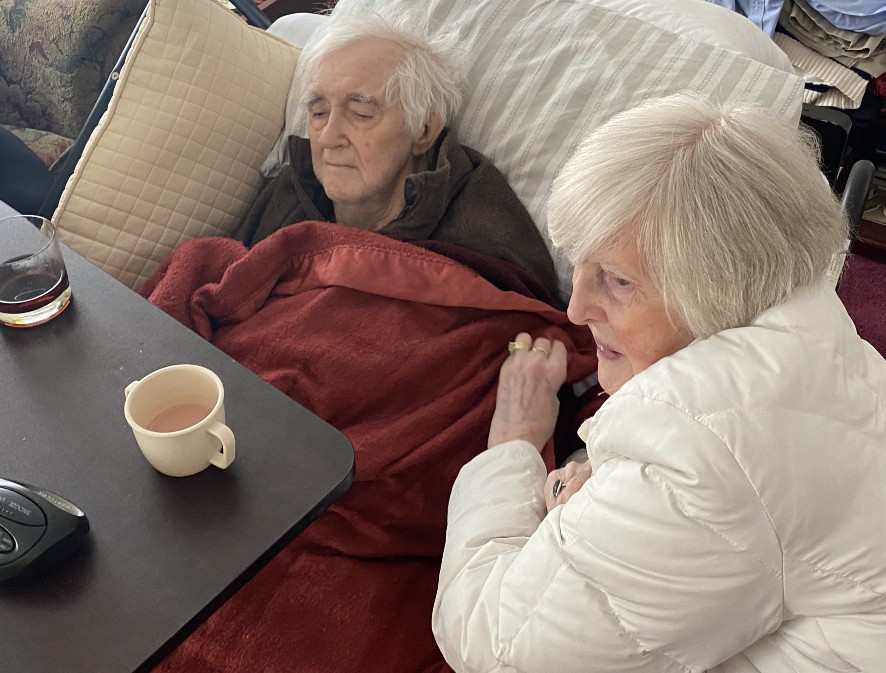
I have regrets as I say this, but it took a while to understand what was happening.
As I review the notes I made at the time, I can now see patterns so much more clearly. For instance, just a day after she tripped in the kitchen, I noted that she was uncharacteristically rude to one of the home care workers looking after Dad. Not long after a painful outbreak of shingles, she became terribly upset with everyone.
During these months, Mom was often her normal self, sweet and kind, but she could — on a dime it seemed — become snappy. She once refused entry to the house for a care worker. I needed to leave work and negotiate the peace there.
In mid-March, when my wife and I escaped to a friend’s place out of town for a short break, one of the care workers called late at night to express his worries — not about Dad, but about Mom. We came back the next morning to find Mom quite distraught. Among the concerning things was a story about a worker that became more alarming with each retelling, approaching violence. Fortunately, a family member had witnessed the whole thing, and we could see that Mom was clearly dealing with something we could not ignore.
Because delirium often has a dramatic effect on cognition, it gets mistaken for symptoms of Alzheimer’s. But what happens when the two mix?
This became a central focus for my family in those months.
As Mom’s behaviour became more erratic — she could be highly emotional with all of us one day, and was intensely paranoid on another — the issue came to a head. I arranged with her doctor for another dementia screening test at her clinic.
It was painful to watch.
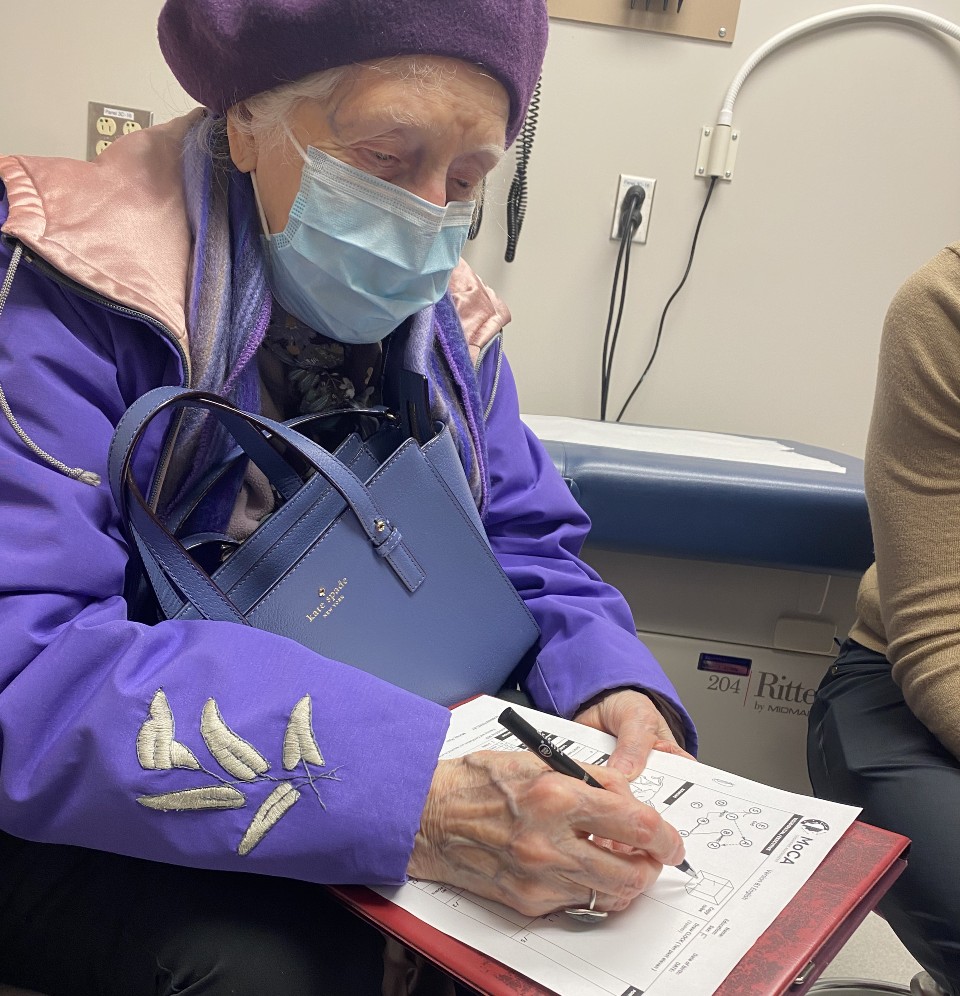
Mom (who I learned was still feeling the effects of a delirium) chastised the patient young resident who administered the test known as MoCA, one of the two main screening tests to detect dementia. “You’re cruel,” she told the doctor as she struggled to answer the questions.
I winced as Mom went through all of the tasks. This time, at least, she finished them. Her score was low. Her doctor arranged for a consult with a geriatric medicine specialist, and Mom was seen on May 10.
And that’s when I really started to learn about delirium.
After a thorough evaluation, Mom was diagnosed with probable mild to moderate Alzheimer’s — probable because Alzheimer’s cannot actually be proven until postmortem.
Dr. Kathleen O’Donnell, who assessed Mom and who provided sensitive, wonderful care to her, also explained to me something I wish I knew earlier about delirium.
With an Alzheimer’s patient, she explained, a case of delirium is like hitting the fast-forward button on a tape machine.
The disease advances so much more quickly than it would otherwise, with a stunning advance in just a week. It’s a terrible combination.
This hit me like a lightning bolt, and I came to understand why Mom had declined so hard and so quickly. This came especially to light when Dr. O’Donnell told me that Mom’s test in December showed that she did not then meet the criteria for diagnosis. In other words, her Alzheimer’s changed abruptly.
The sudden changes in behaviour? The outbursts? That was the delirium, not necessarily the Alzheimer’s.
But the Alzheimer’s — the confusion, the inability to remember things that had happened earlier in the day — had gotten so much worse in a matter, really, of just weeks.
I of course felt quite guilty. Incredibly so. Doctors and other experts have told me this is a natural feeling, and that it’s misplaced, and that I and our family did the best we could under the circumstances.
I am comforted by that, but I still wish I had learned much more, and much earlier.
I wish I knew that winter that simple medication or pain relief can alleviate the pain that’s causing the delirium.
In other words, just as delirium can come on quickly, it can go away quickly, too.
I have a number of case examples of this, and one from earlier this year comes to mind — and also because it underscored to me how there is a lot of confusion about delirium, and just how threatening it can be.
After my mom sustained injuries that included a concussion in an overnight fall in June, I visited her early one morning and learned she had refused breakfast. That felt odd so I sat with her. In minutes, I knew something was up.
Her moods were quickly fluctuating; she felt afraid one second and was a bit combative the next. She contradicted herself within seconds about feeling like she was starving and then wanting nothing to do with food. She was far from herself. A nurse was called in and she quickly administered medication that turned everything around in short order.
It was stunning to see how quickly the waves of delirium crashed ashore, and then vanished.
There is a lot of misunderstanding still about delirium. I remember a conversation in a health-care setting with a worker who told me that delirium is simply part of dementia, and that I needed to accept it.
Except it’s not. It’s actually a separate illness, and it is dramatically serious.
As this journal article says, like many medical professionals, delirium should be considered a medical emergency until proven otherwise.
I’ve gathered a number of anecdotes and stories about delirium over the last few years, and some of them are startling.
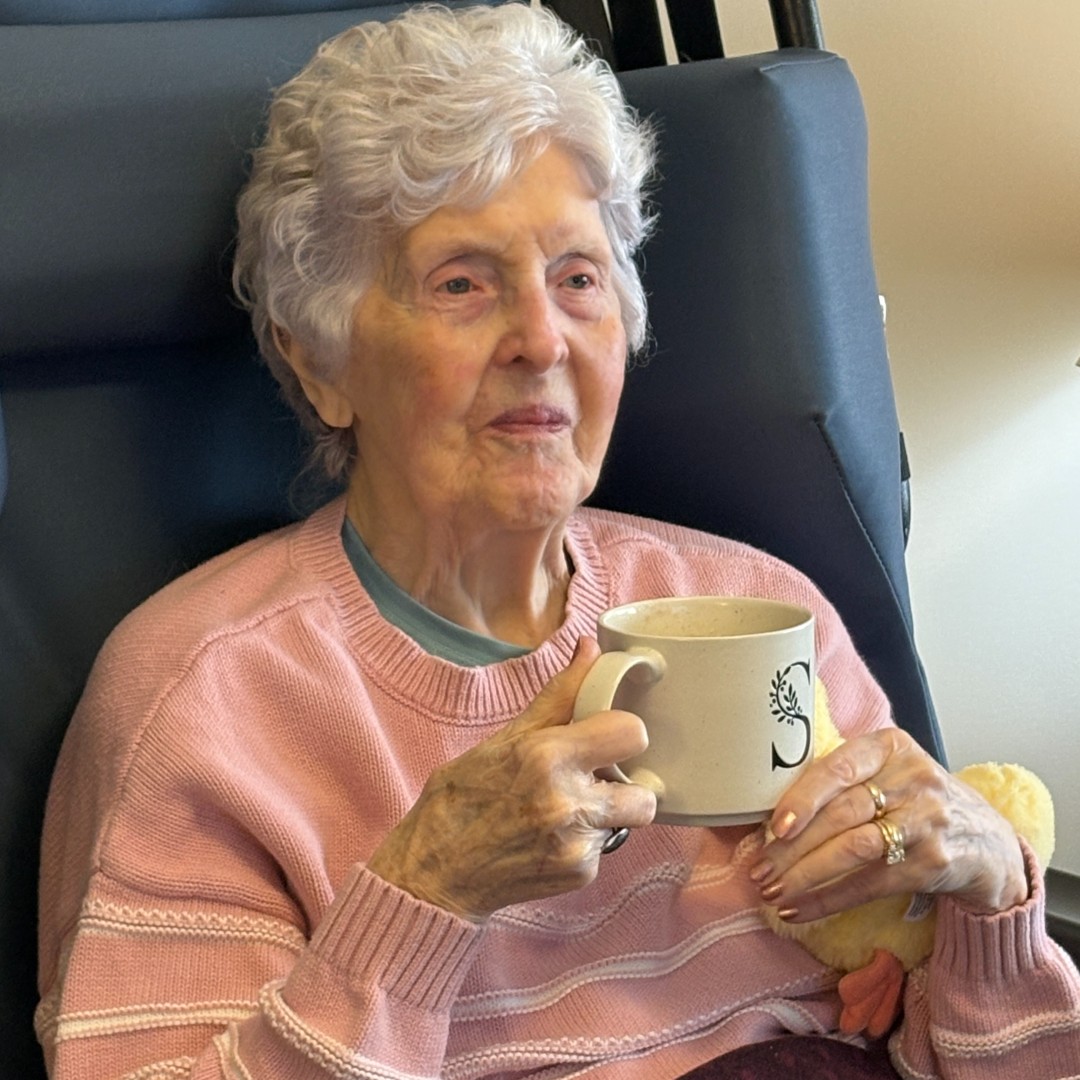
There was a period when my parents each had a delirium, and I thought I would lose my mind. We got them through it, but it was extraordinarily challenging.
When I speak with other caregivers about how challenging it can be dealing with a loved one, I can relate. I’ll never forget the time my mother not only refused to take the antibiotic that would quickly end a UTI (and thus the delirium it caused) but insisted on speaking with the pharmacist behind the “poison” before her. (Amazingly, Bev, an incredibly thoughtful and patient pharmacist, took that call, and talked Mom into a reasonable state. Mom was soon fine, and had no memory at all of what had happened. I was so impressed by her kindness and professionalism.)
You’ll often hear people say “it’s the disease talking” when delirium strikes, and it’s essential to remember that. Delirium can sweep a whole other personality into place, and it can be horrifying. And, yes, it can early on really hurt to hear things come out of a loved one’s mouth.
We also have learned coping strategies. A good sense of humour is one of them.
Last month, Mom was in hospital again after sustaining injuries to her back and ribs. The pain, which was clearly agonizing, brought on a delirium while she was still in the ER, and the pain was worst when Mom needed to be moved.
When Mom needed to undergo a necessary CT scan, she was transferred to a gurney — which must have been excruciating.
My wife, Martha, and I walked alongside her, trying to comfort her. Mom was trying everything she could to stop the scan from happening, including pleading with Martha. She, like me, said she would hold Mom’s hand and comfort her.
Mom was having none of it. “Martha,” she said, “you are a bad person!”
Martha and I could not help but smile as we looked at each other. Fortunately, both of us have seen delirium play out, and we know we cannot take what is said personally.
That said, we all need to take delirium seriously.
I did not know much about delirium when all of this started. I surely wish I had known more. One of the reasons I’m writing this post is to help others appreciate what delirium is, and know to act quickly when it happens.