Call me Kevin: Why deception is necessary with my mom’s Alzheimer’s
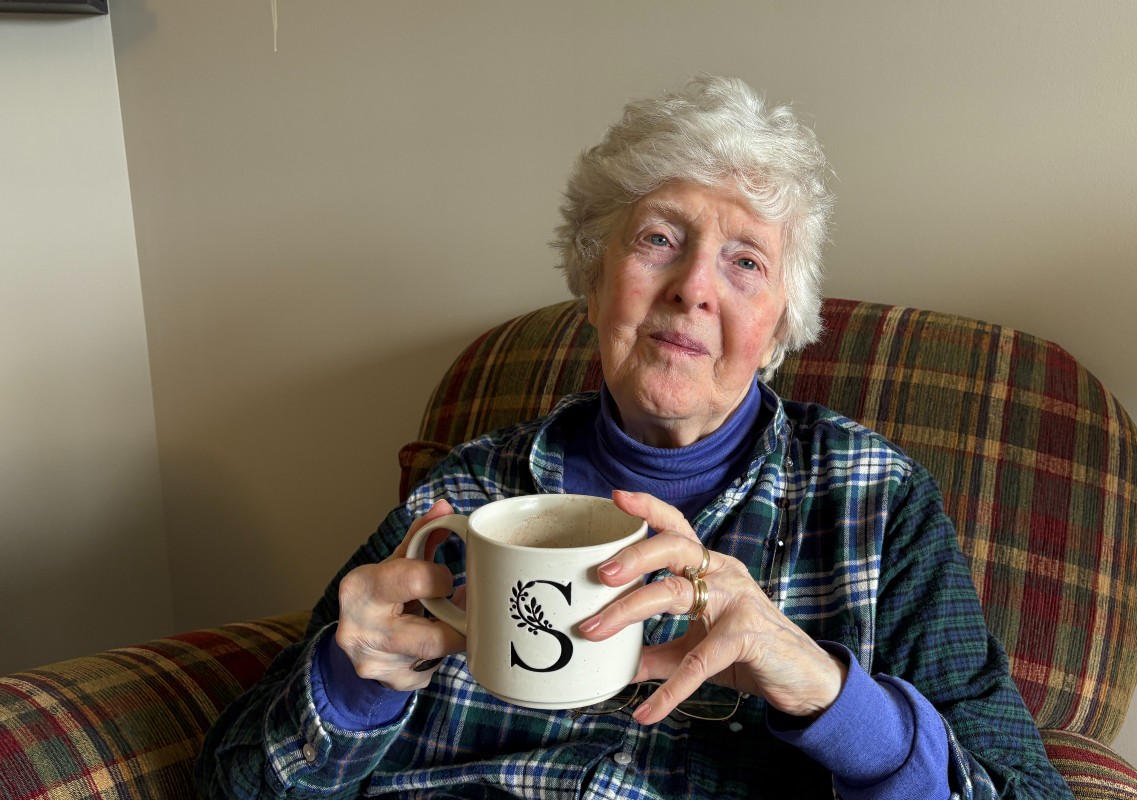
My mobile phone rang, and my mom’s name was on the screen. It was almost a couple of hours after she went to bed, so I quickly prepared myself for whatever prompted her to call.
“Kevin? This is Sheila,” she said. “I’m so sorry. I forgot to come to the airport to pick you up.”
I had a split second to react.
In that moment, I became Kevin — that is, her beloved older brother, who died in the winter of 2025, and who lived most of his years in Massachusetts.
“Sheila!” I said. “No need to worry. I got a ride here to the hotel. I’ll see you first thing in the morning!”
I could hear her sigh in relief. We chatted for a small moment, and then I started to yawn. I told her I was sooo tired, and really needed to sleep, and she started to yawn too.
“Why don’t we each get a good night’s sleep and enjoy tomorrow morning?” I said. She agreed, and we hung up. I crossed my fingers and hoped that she would snuggle under her covers and drift back to sleep.
That is just one of the times when I have deceived my mom, and I do not have any guilt at all about doing it.
Nor was this the only time I have “played” being Kevin. I can’t explain what has compelled Mom on several occasions of confusion and anxiety to seek out her brother, and in particular to feel that he is stranded at the airport. Nonetheless, It has been a recurring thing, and while it may not be rooted in any particular real-life incident, Mom clearly believes — in that very moment — that her brother is not only alive, but needs her.
I first paid attention to what’s called therapeutic deception in January 2024, when my dad, Bill Gushue, took ill suddenly and was admitted to hospital.
Dad’s diagnosis on admission was delirium — a condition I did not know much about, but certainly do now. (Indeed, I’m planning a whole other post about this very common affliction facing the elderly, and its very serious impacts with dementia.)
Delirium might look from a distance like dementia because it often involves confusion and agitation, but unlike dementia, it is short term. In fact, with appropriate treatment, it can end very quickly.
In my dad’s case, he was very confused, very agitated, and hallucinating. I remember one of the clinical staff handling him with kindness, and in doing so, did not contradict a whopper that Dad had just said out loud. “That’s therapeutic deception for you,” he quietly said to me a little later, when we were talking about Dad’s treatment.
I began to read up on it, and genuinely wish I had learned and understood more before my mother’s Alzheimer’s symptoms — which would be significantly worsened by bouts of delirium — became stronger and more concerning that winter and spring.
By the time of her diagnosis in May 2024, I knew a fair bit more. The intention is not to lie, but to adjust to the reality of the patient. I learned not to contradict my mom, nor to tell her that it was wrong to say something that was clearly untrue.
In other words, there is nothing to be gained by contradicting someone in that state. The challenge instead: walk with them, embrace the moment they’re in, keep them happy, keep them safe.
And that can mean deception.
To be clear, there is a lot of debate about the idea — or perhaps more accurately the name of therapeutic deception. An essay published in the journal Psychiatric Times gave it the more provocative name “therapeutic lying,” and labelled the problem this way:
… Therapeutic lying is a contradiction in terms-a combination of words whose meanings are in conflict with one another. If “therapeutic” is defined as “having healing or curative powers for the treatment of disease or disability” and “lying” is “making a false statement with the intention to deceive,” lying is not therapeutic and therapy is incompatible with lying.
But if you read a lot about this — and talk with professionals and those working in clinical settings — you come to know that things are not so black and white, and that circumstances matter. Patients without the cognitive ability to process reality are not served by the unfettered truth.
You know the phrases “harsh truth” and “blunt truth”? As my mom’s Alzheimer’s has continued, and her cognitive abilities slip away, I have come to see that even simple truths can — to her — be harsh and blunt. Even cruel.
This spring, while visiting my wife’s relatives in Spain, one of her cousins described the lengths to which she went in keeping her mother, who had vascular dementia, comfortable on a significant point.
“John, I kept my father alive for five years,” said Beatriz, who is a physician herself. Her father had died in 2020, and so for the next five years, when her mom might ask where her husband was, Beatriz had one answer after another about where that out-of-sight man might be.
Telling her mother that he had died would have been traumatic, perhaps many times over. After all, she would forget the conversation, ask again, and then risk being traumatized one more time. Worse, dementia patients may not remember the content of a conversation, but can retain the feeling.
So why put her mother through that once, let alone again and again?
The story resonated so strongly with me. Just last night, as Mom was weary and preparing for sleep, she asked how her mom is. “She’s doing great!” I told her with a hug. My grandmother died in 1977.
Where they are
I need to underscore that a deception — like pretending I am my late uncle Kevin, or reassuring her that her own mom is fine — is appropriate to where my mom is at a particular moment.
It does not mean that with a dementia diagnosis, a family should start deceiving their loved one.
To the contrary, people with symptoms or in the earliest stages should be afforded every bit of agency they can have. Indeed, the Alzheimer Society of Canada has published something called the Canadian Charter of Rights for People with Dementia, which specifically holds that people have the right to “participate in developing and implementing policies that affect my life.”
Things of course change as the irreversible nature of Alzheimer’s takes hold.
As the disease progresses, the person with it loses many abilities, including the qualities that made them autonomous. It’s a sad thing to watch and experience, but the goals must always be to preserve dignity while providing protection and comfort.
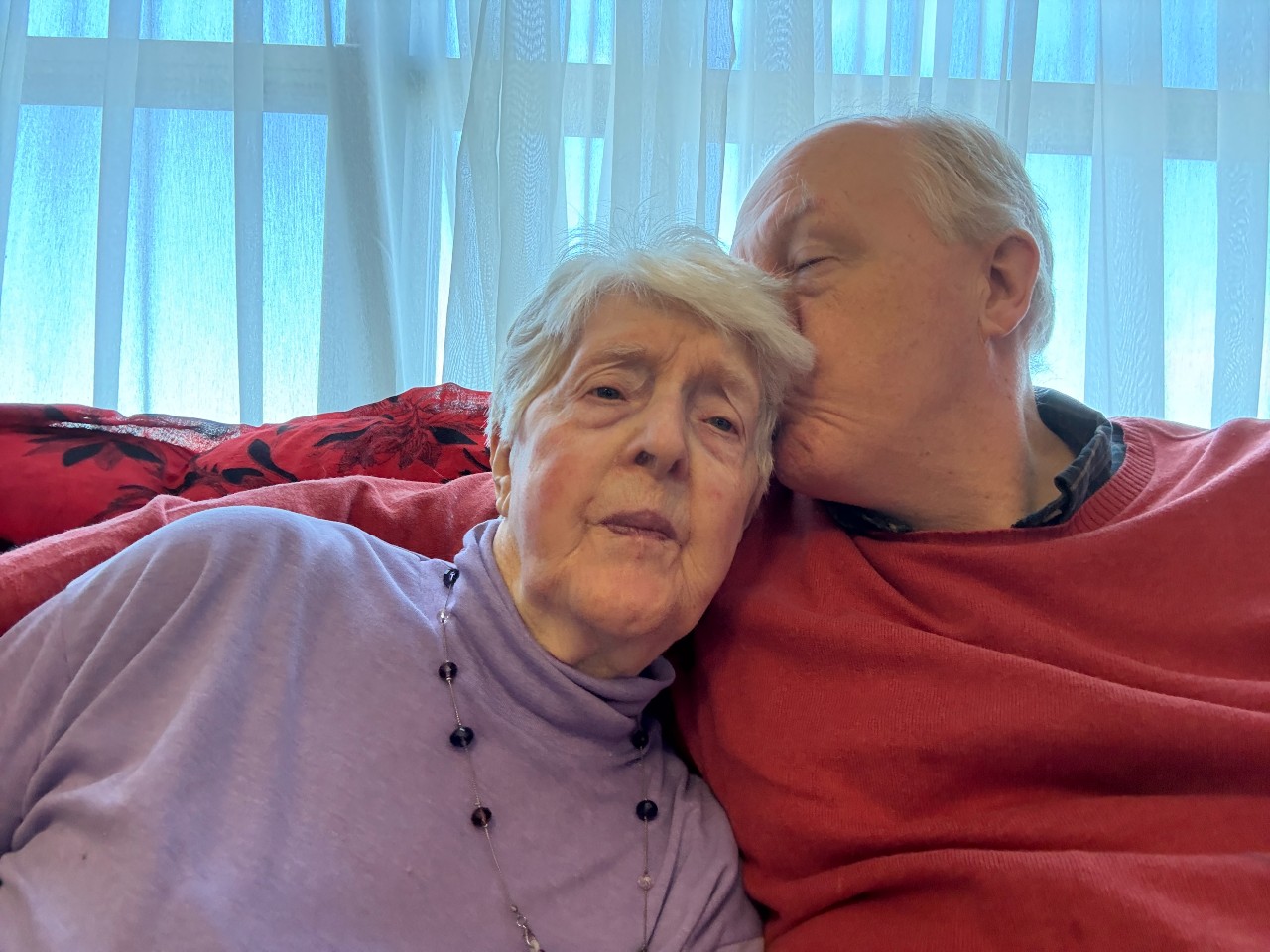
In my mom’s case, her overall well-being depends on her emotional and mental status.
To keep her happy, content and safe, I know that we need to do things that may from a distance look odd, but are done with kindness, care and her best interests in mind.
So, yes, sometimes I’m Kevin.